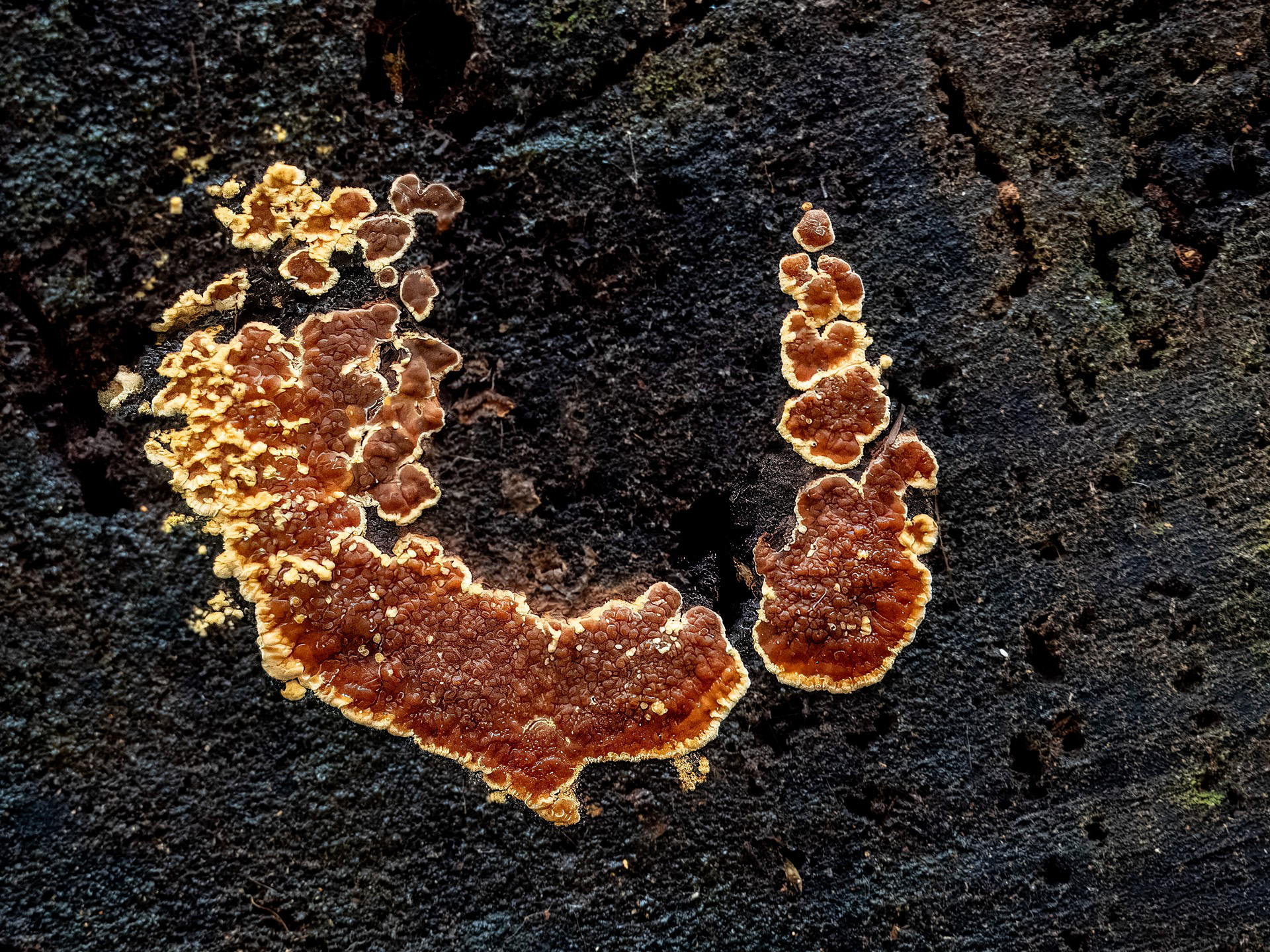
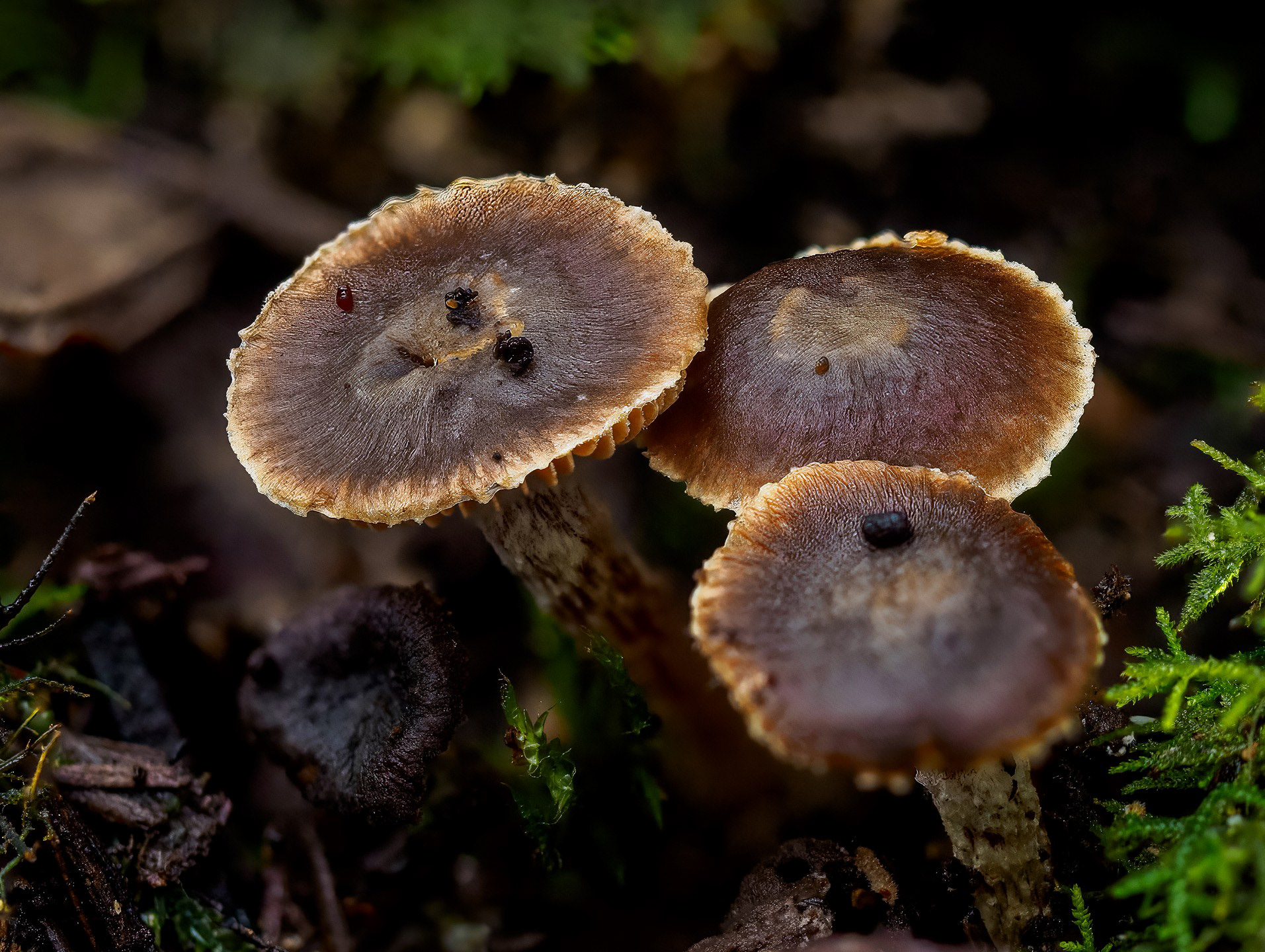
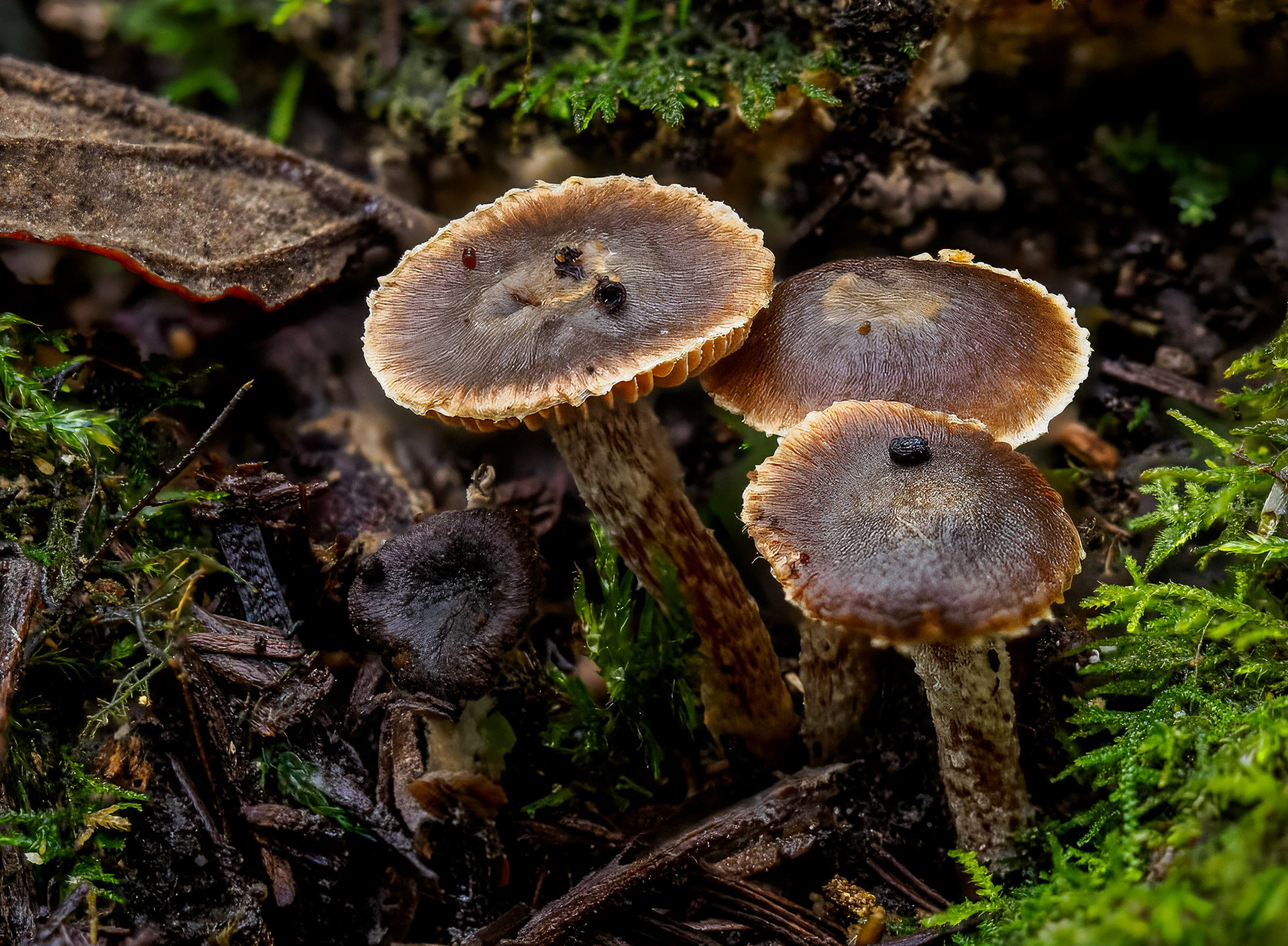
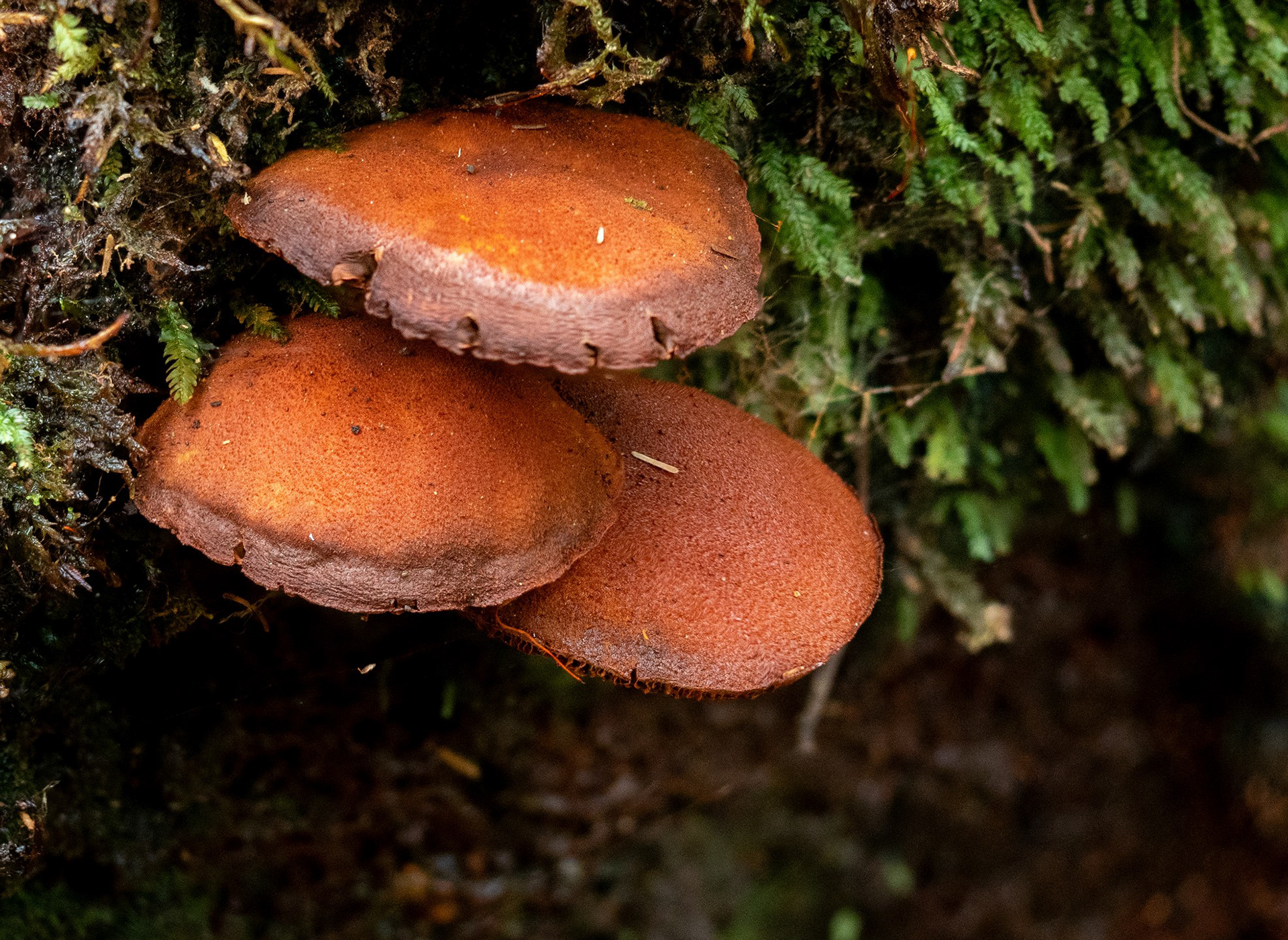
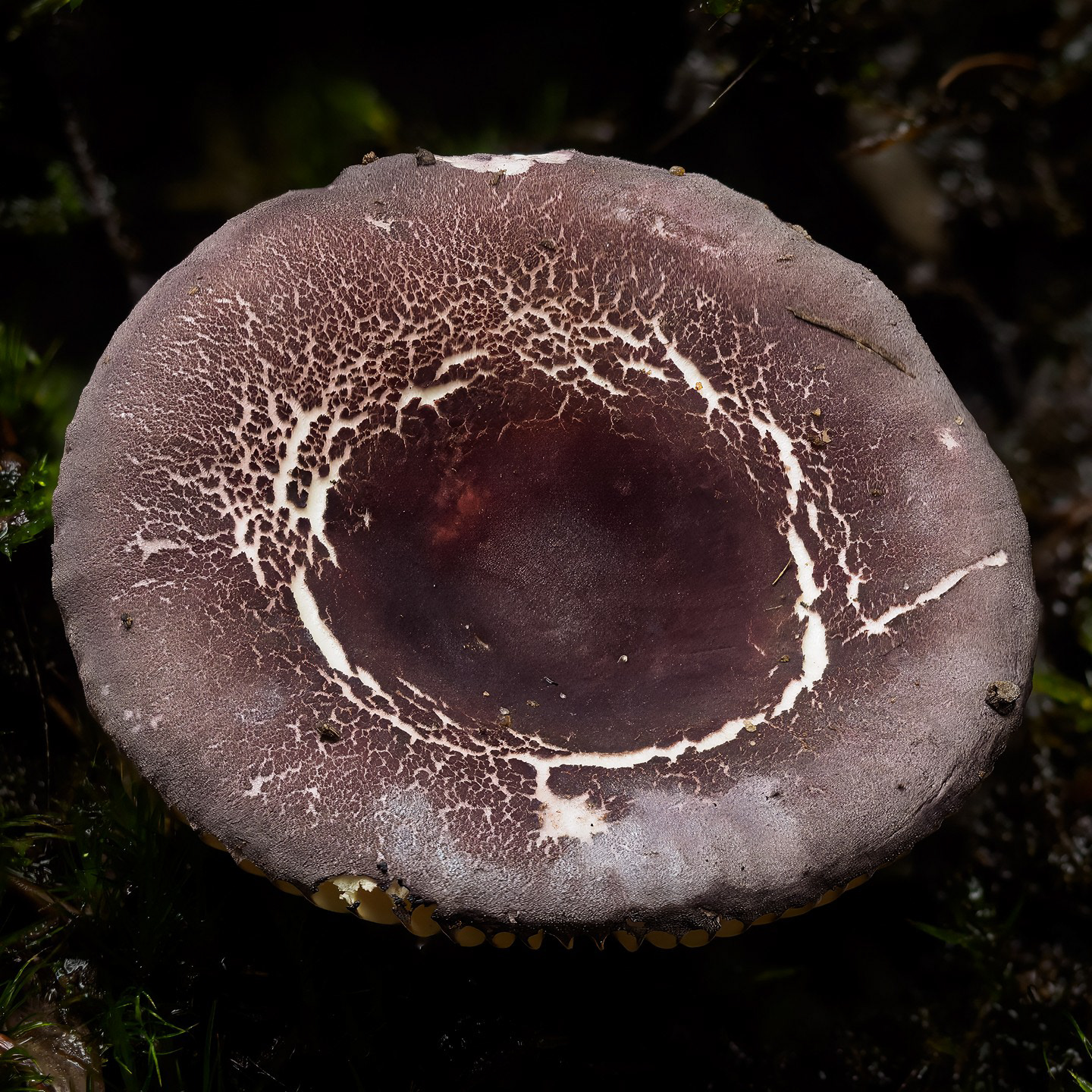
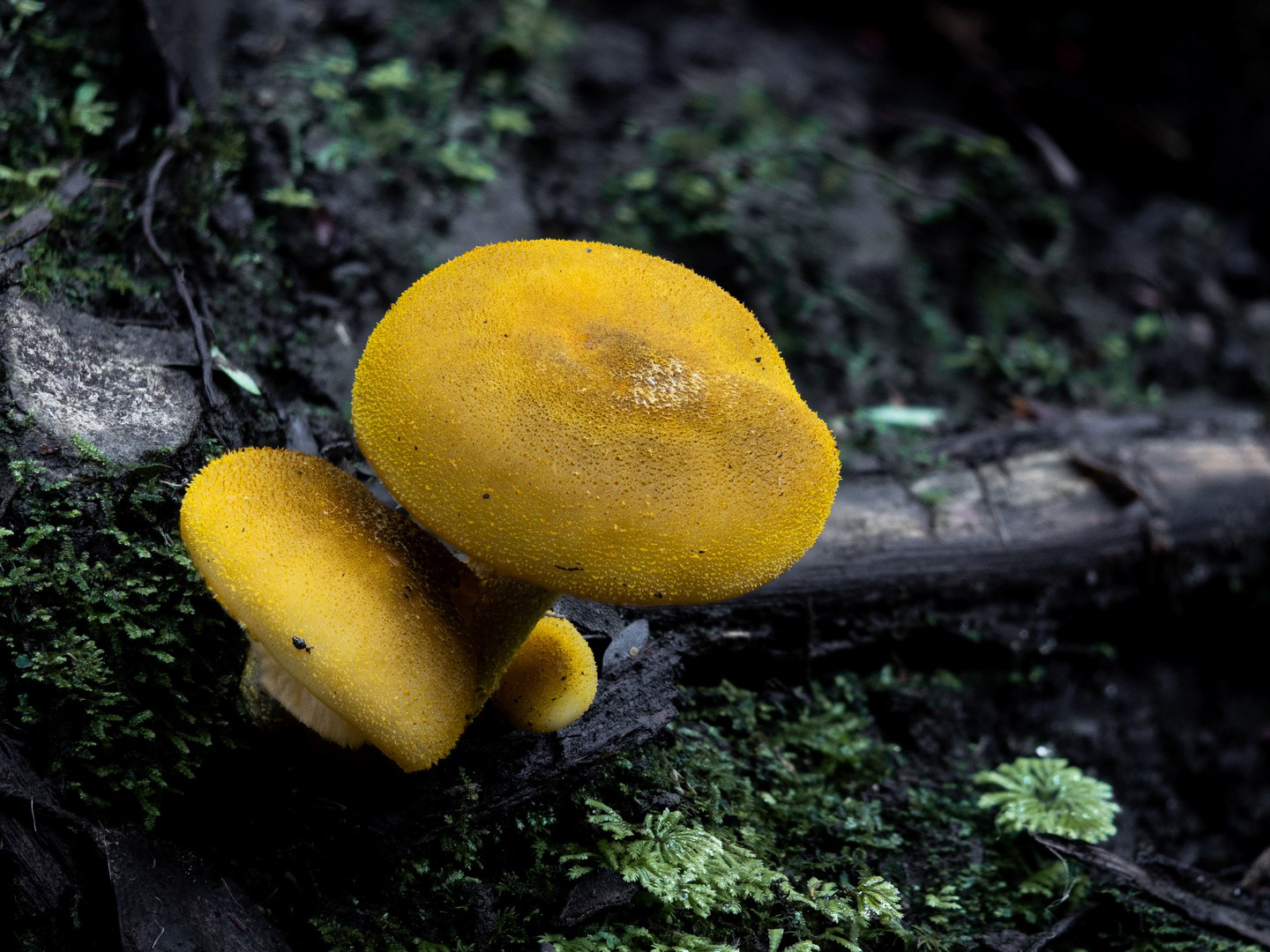
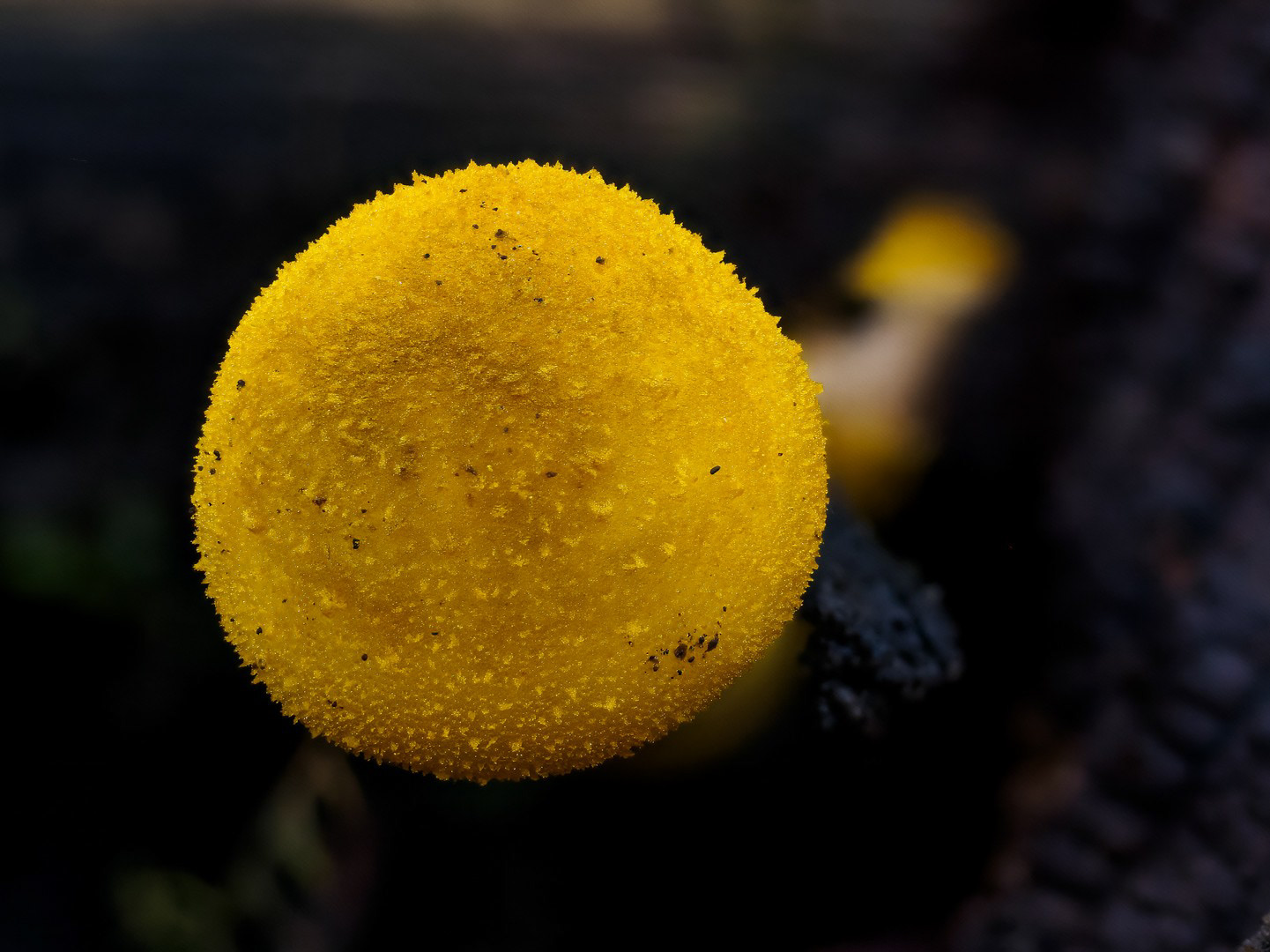
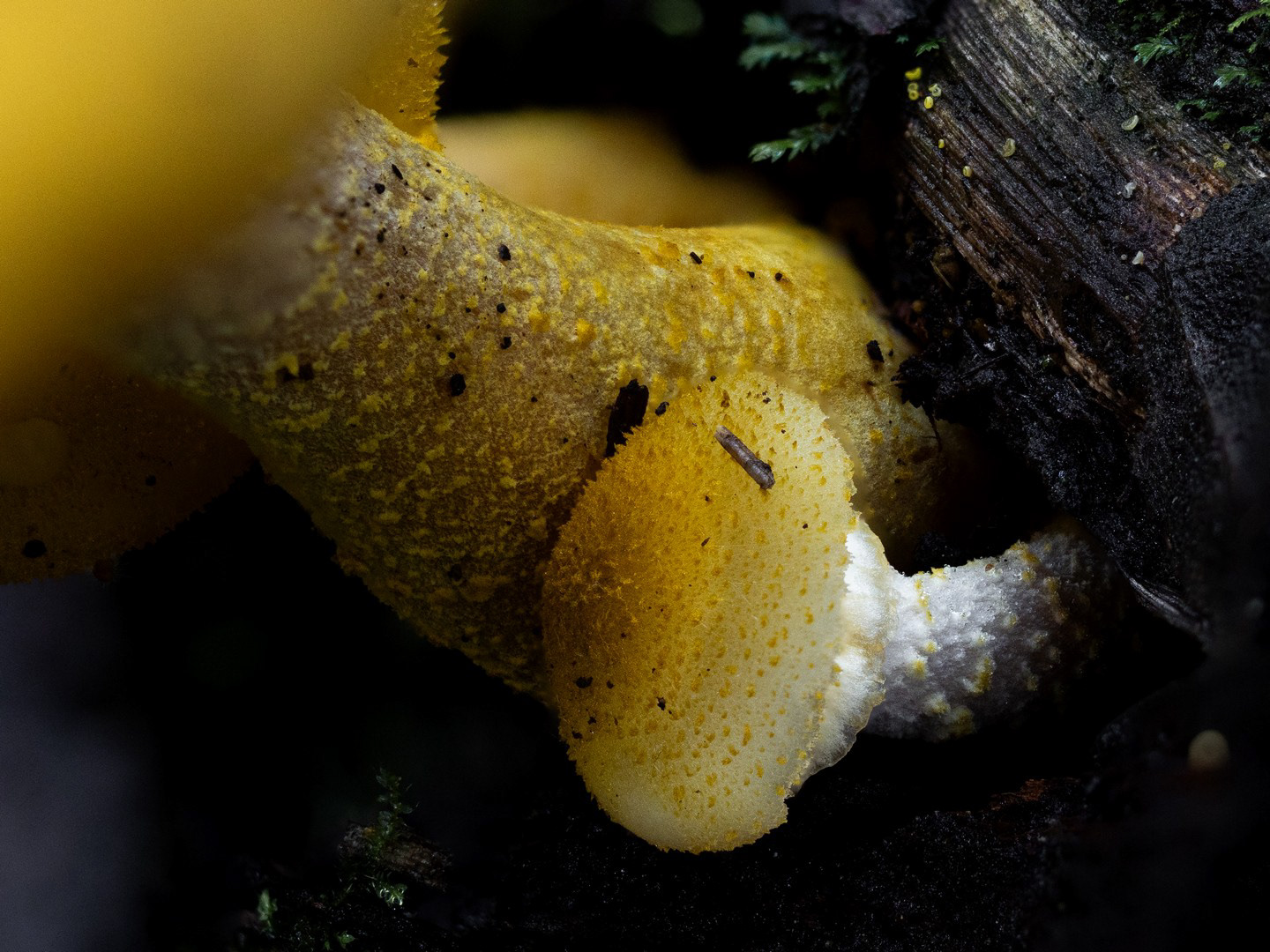
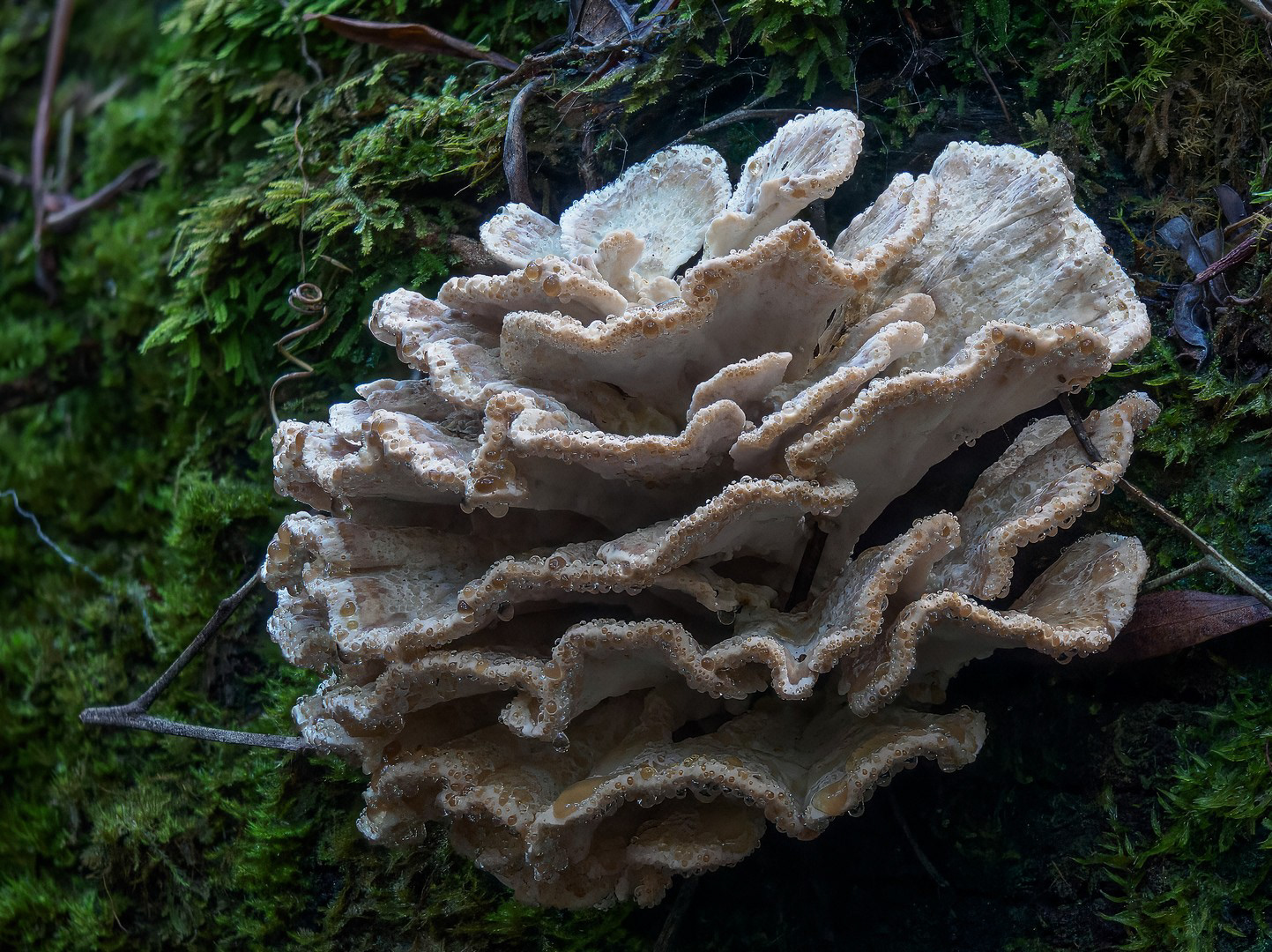
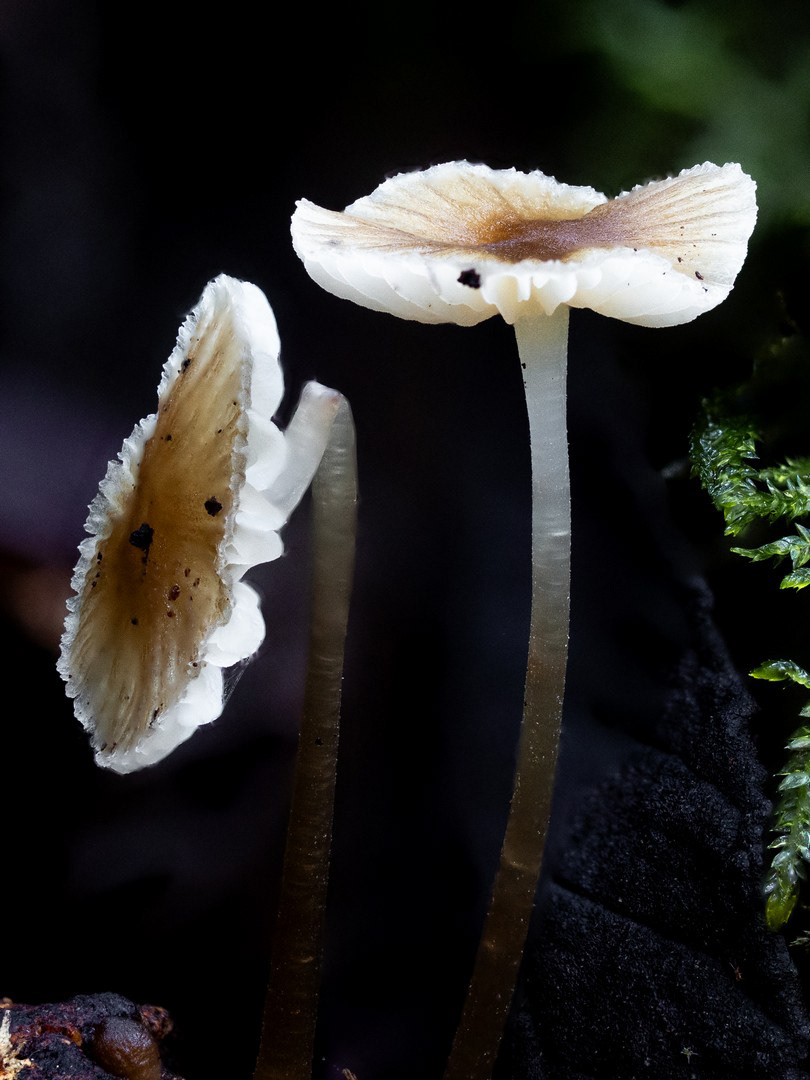
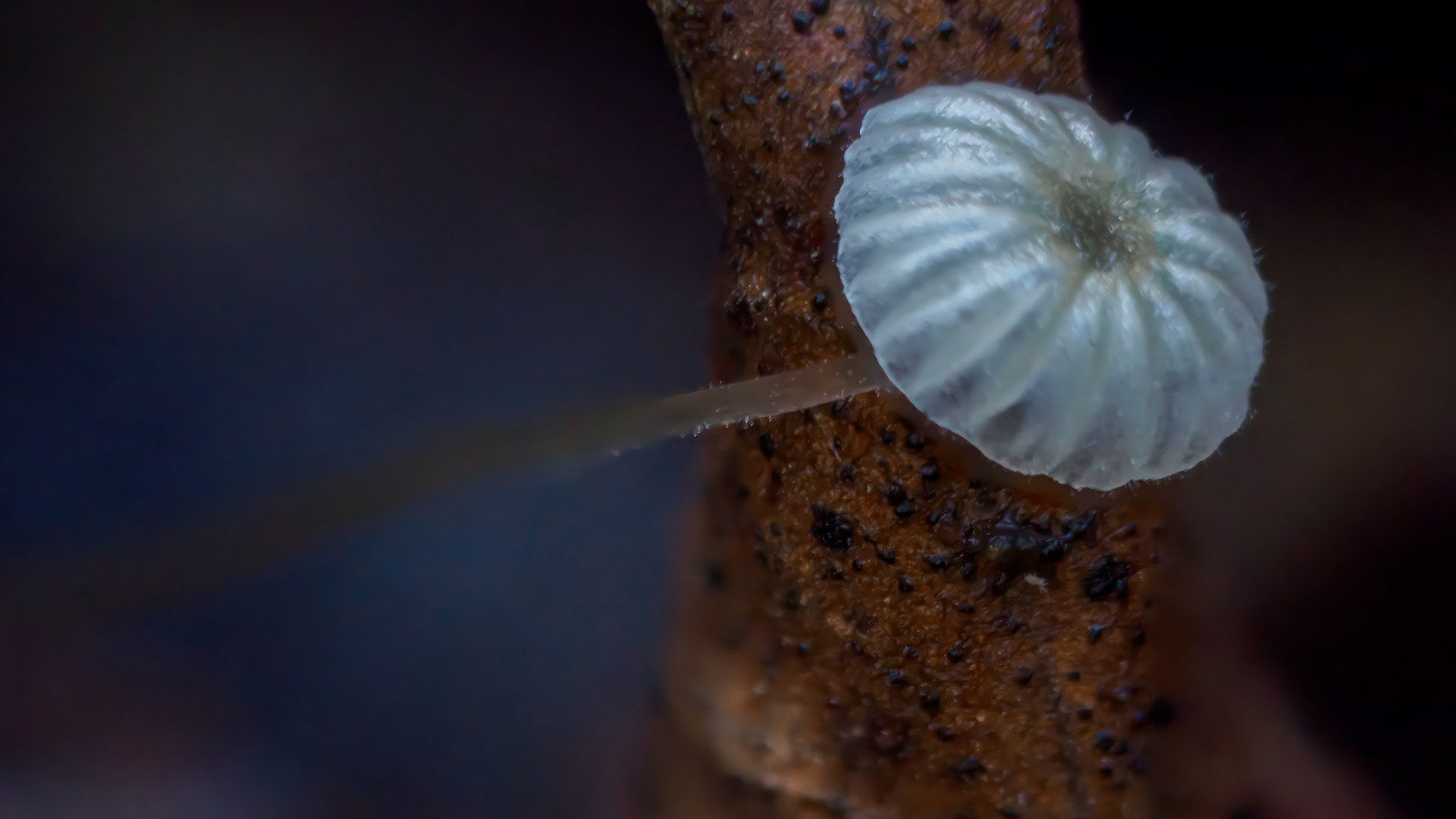
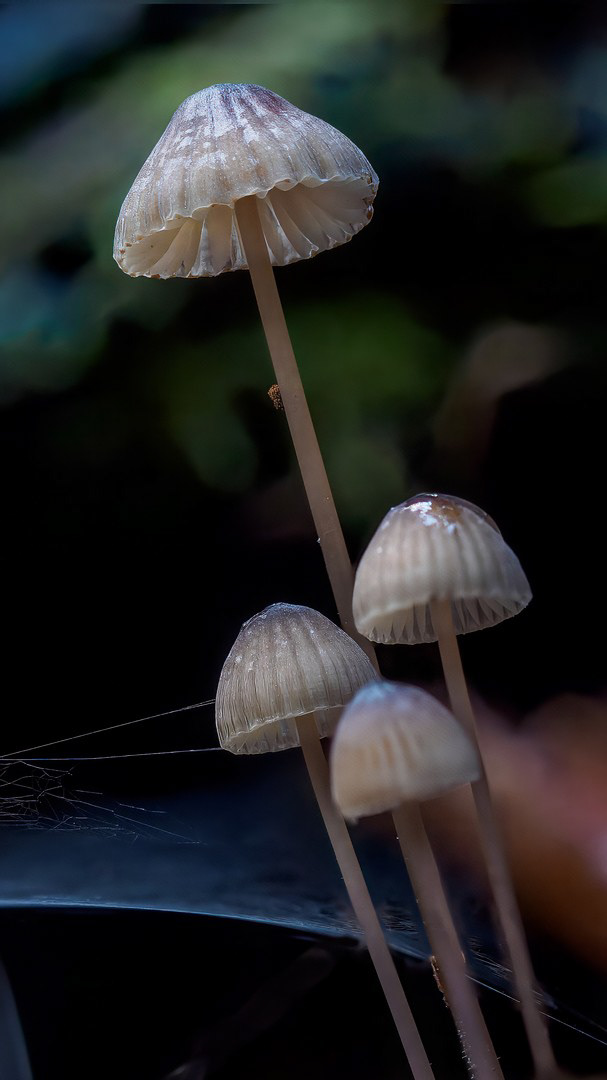
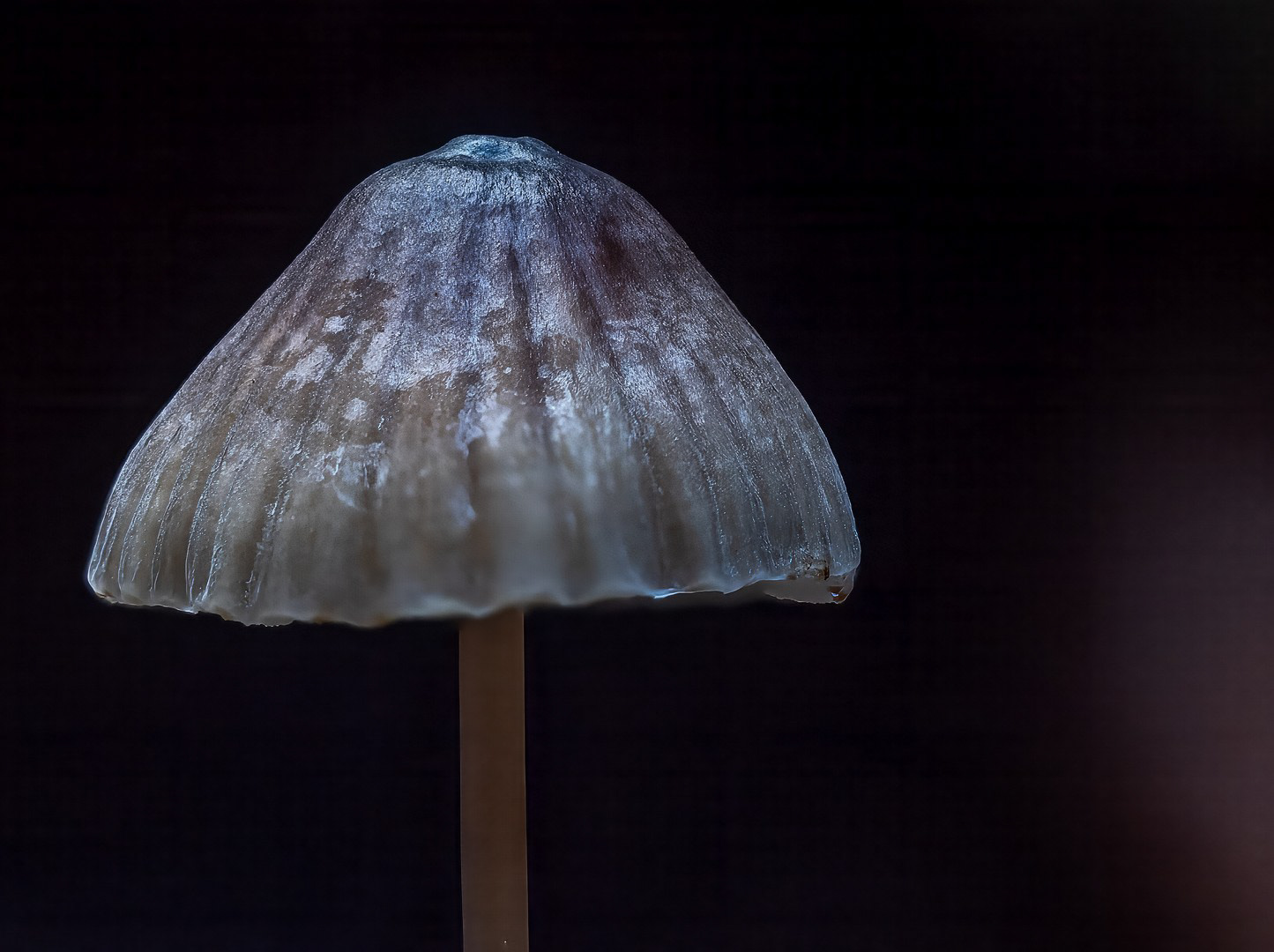
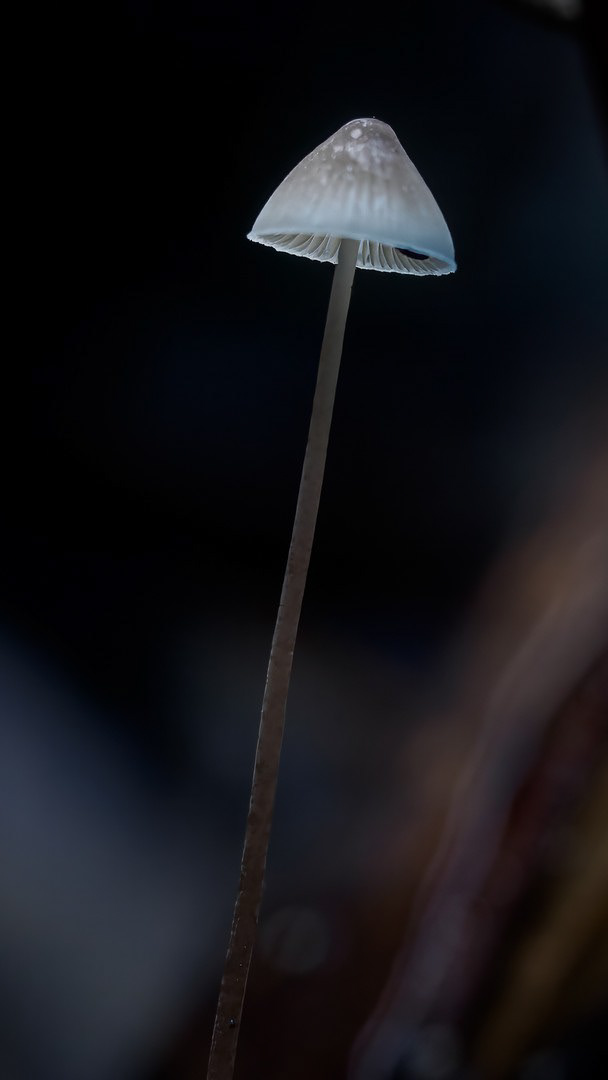
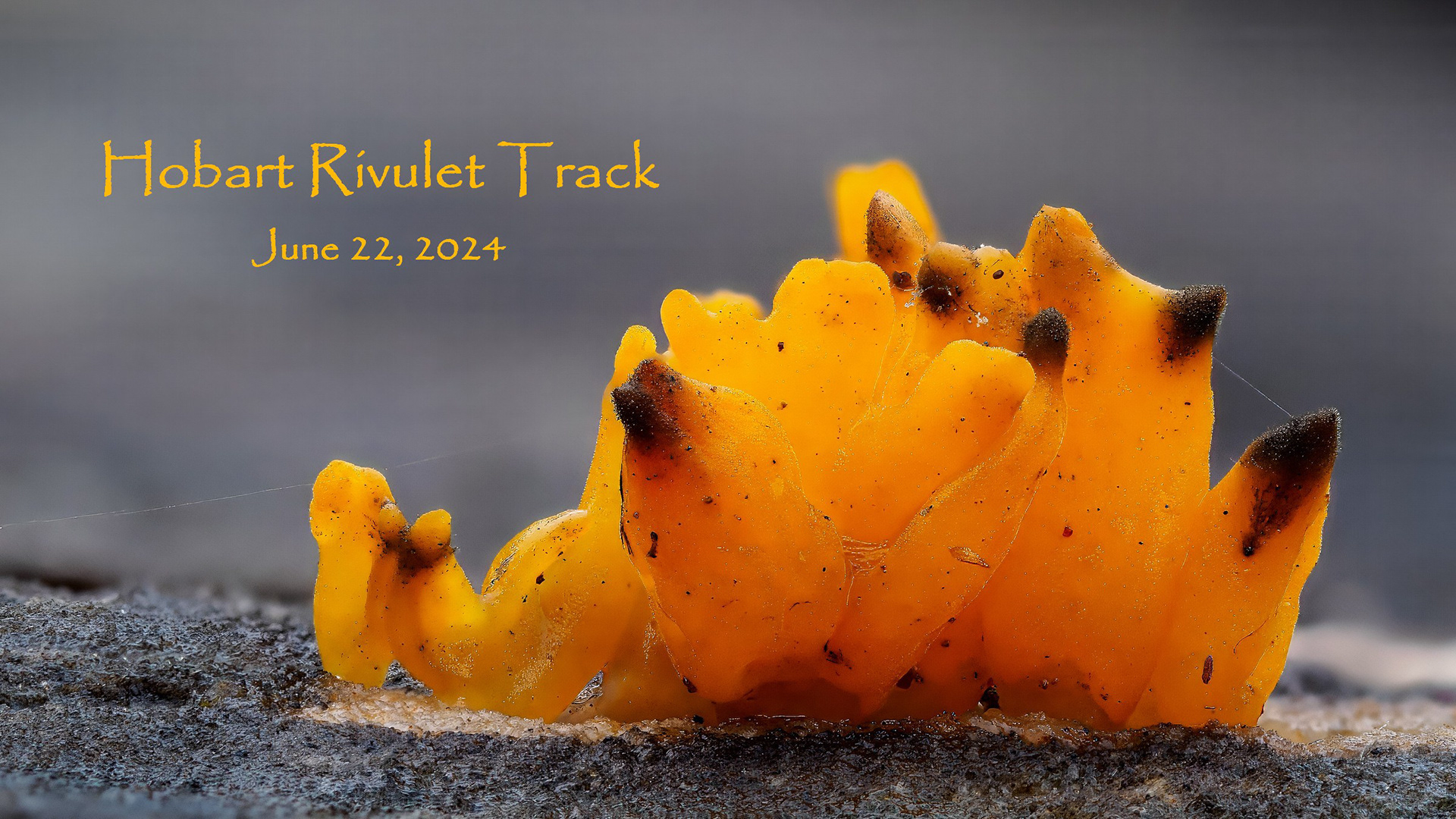
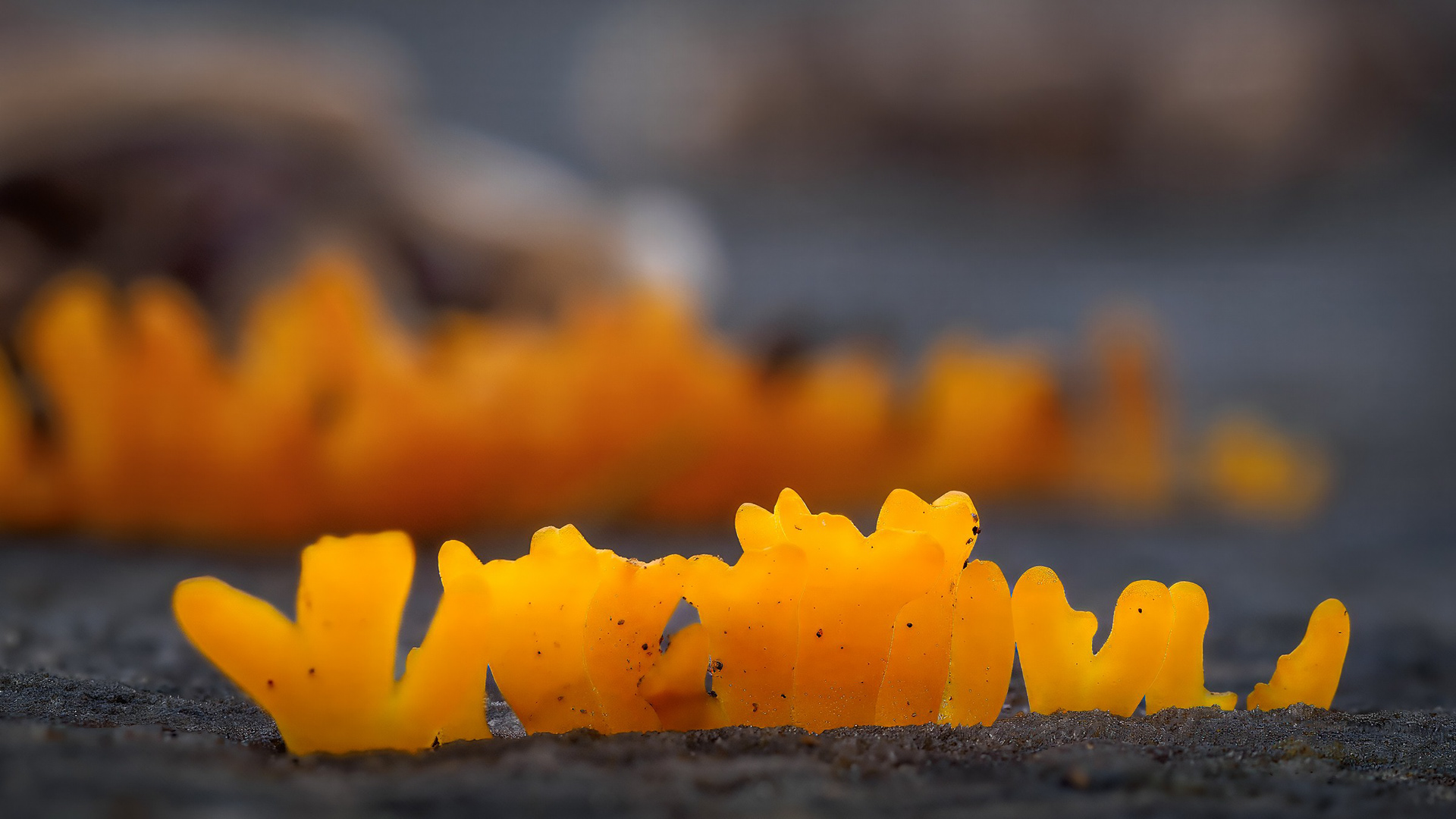
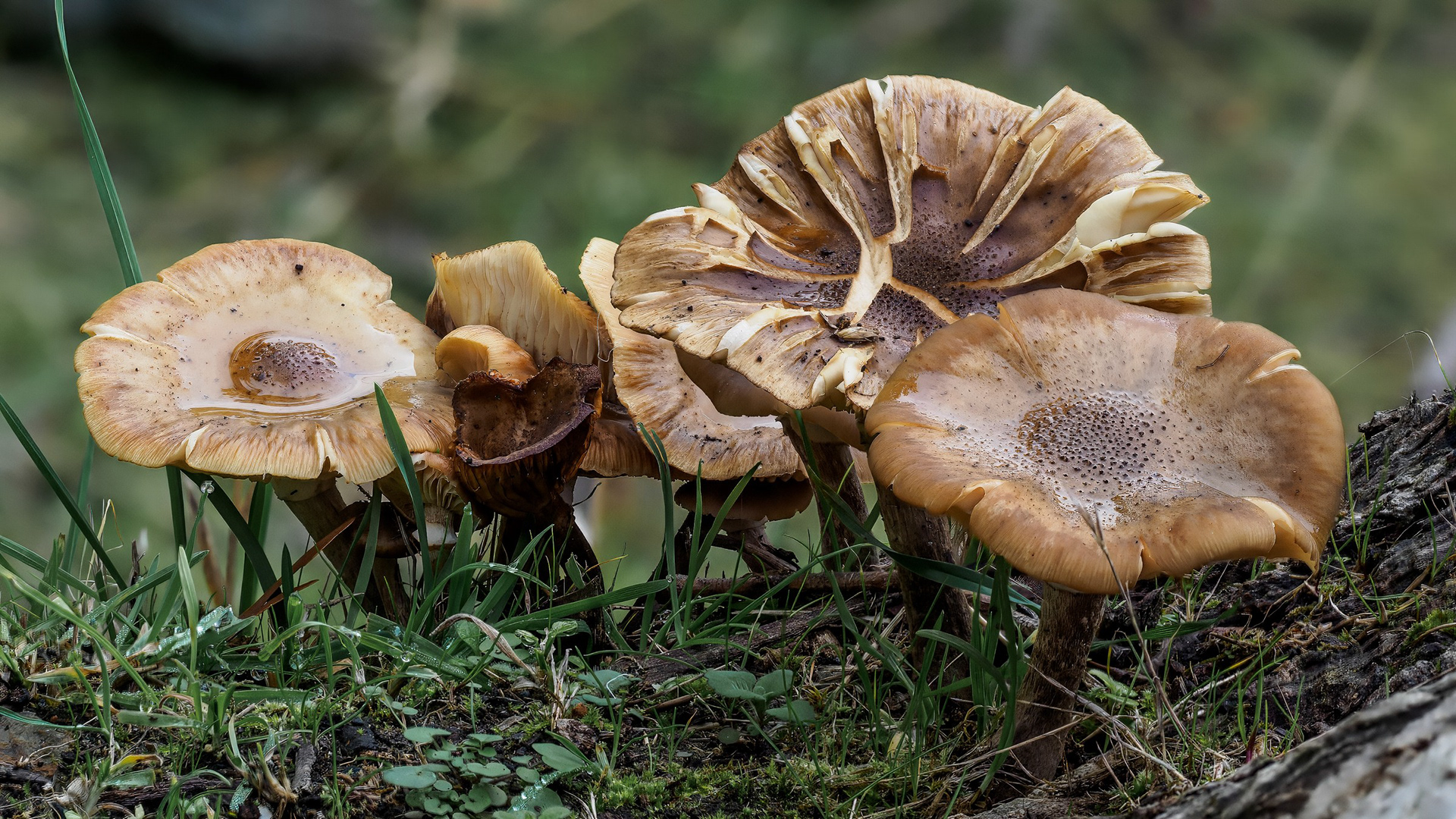
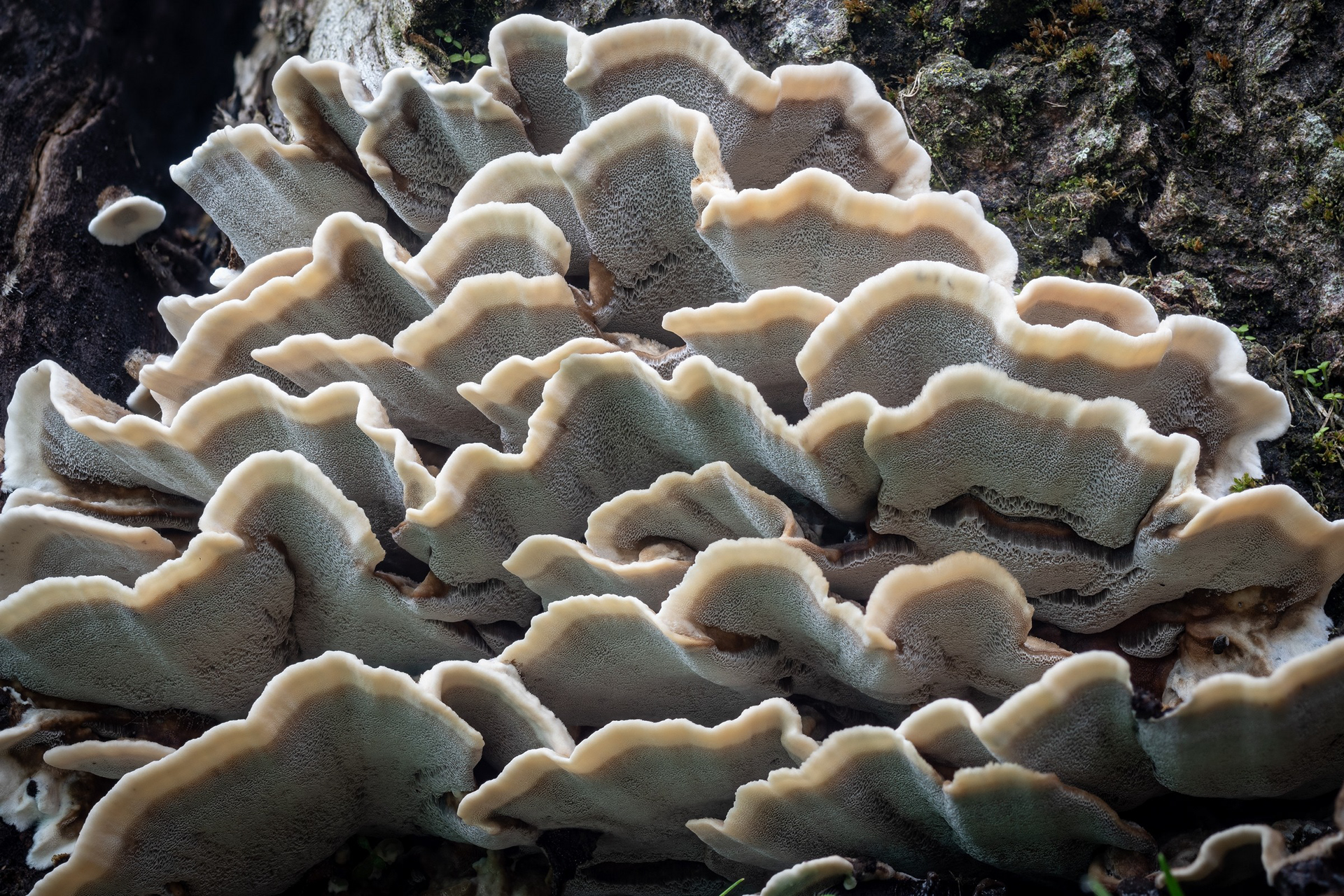
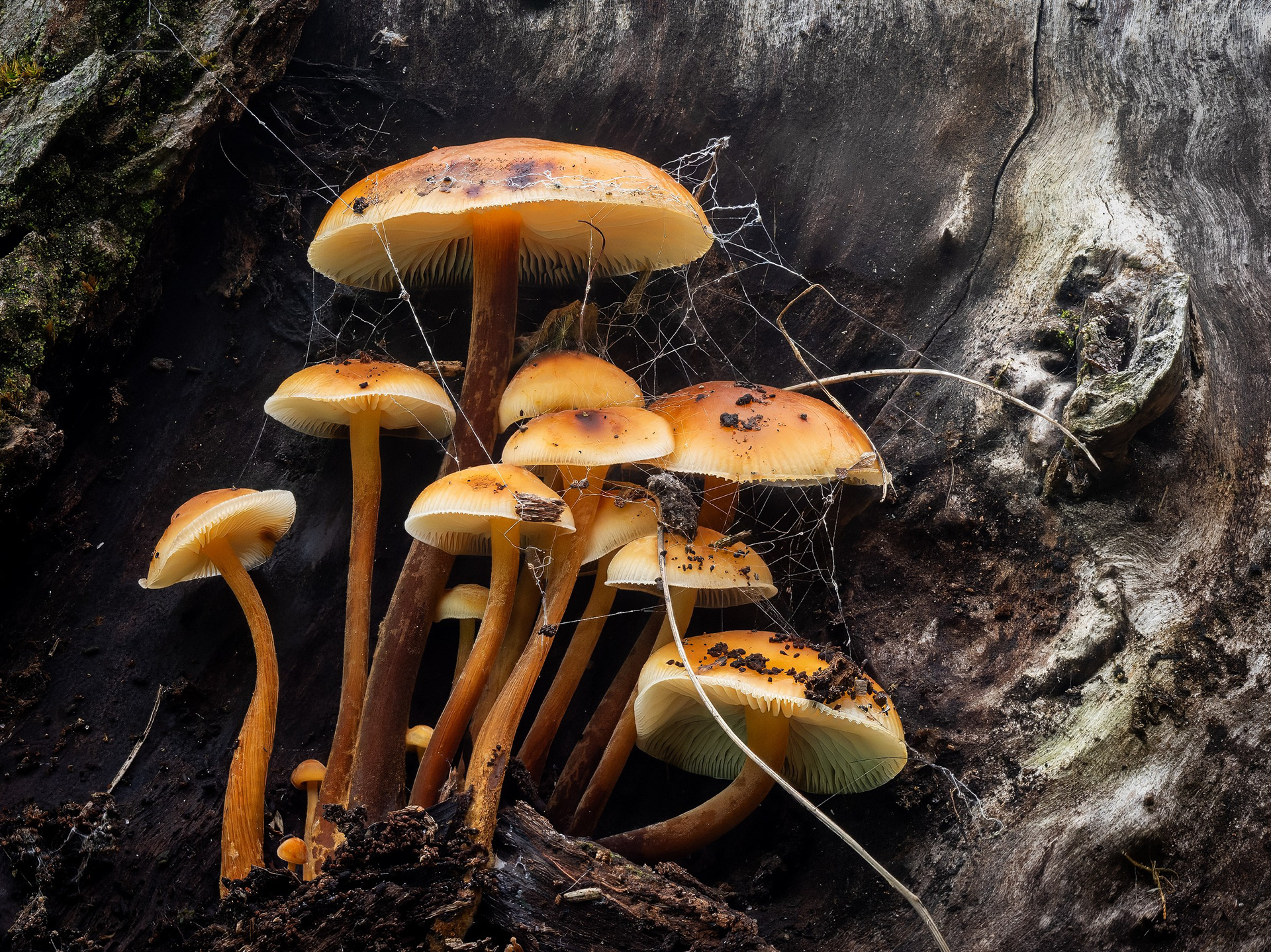
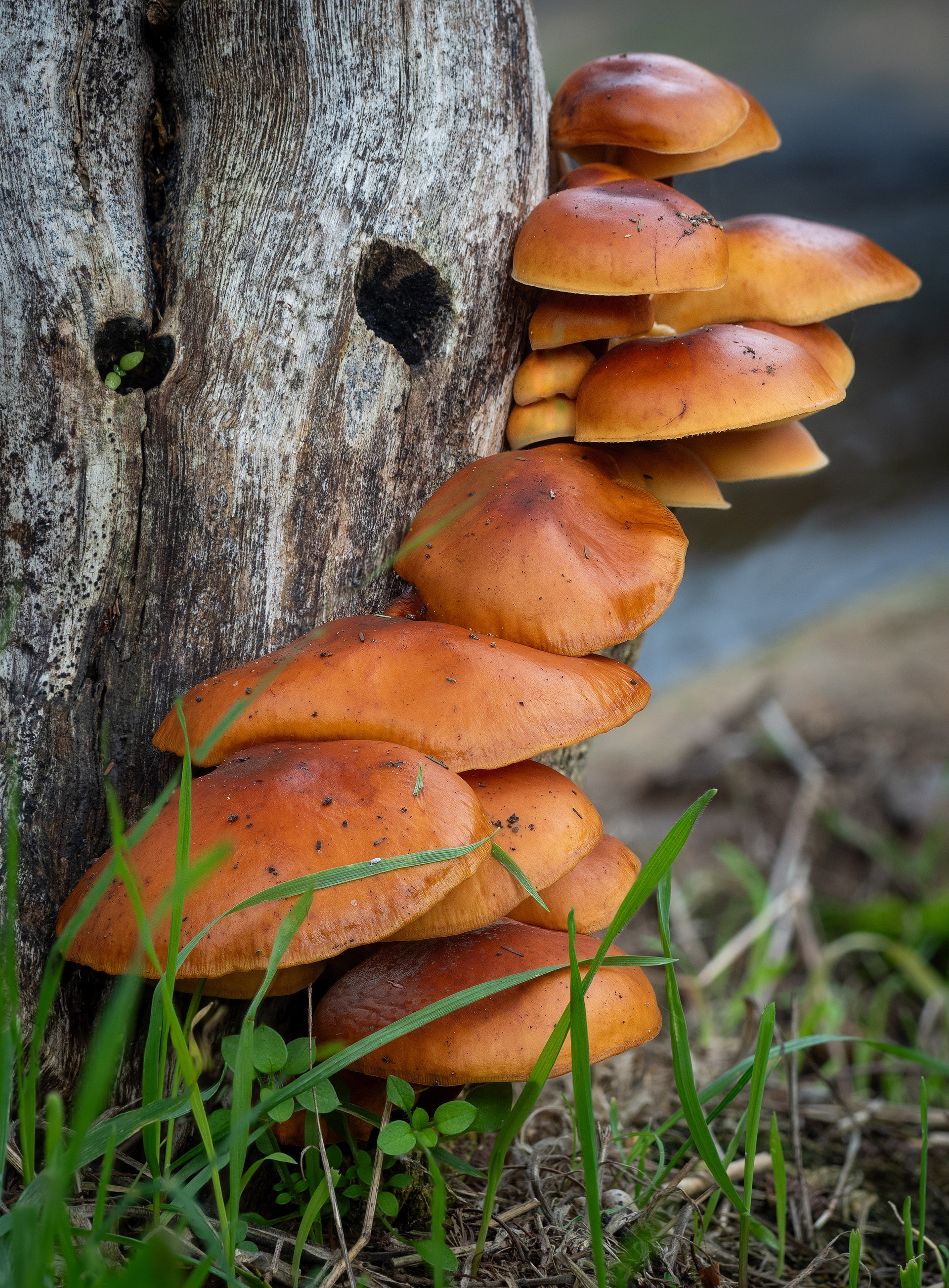
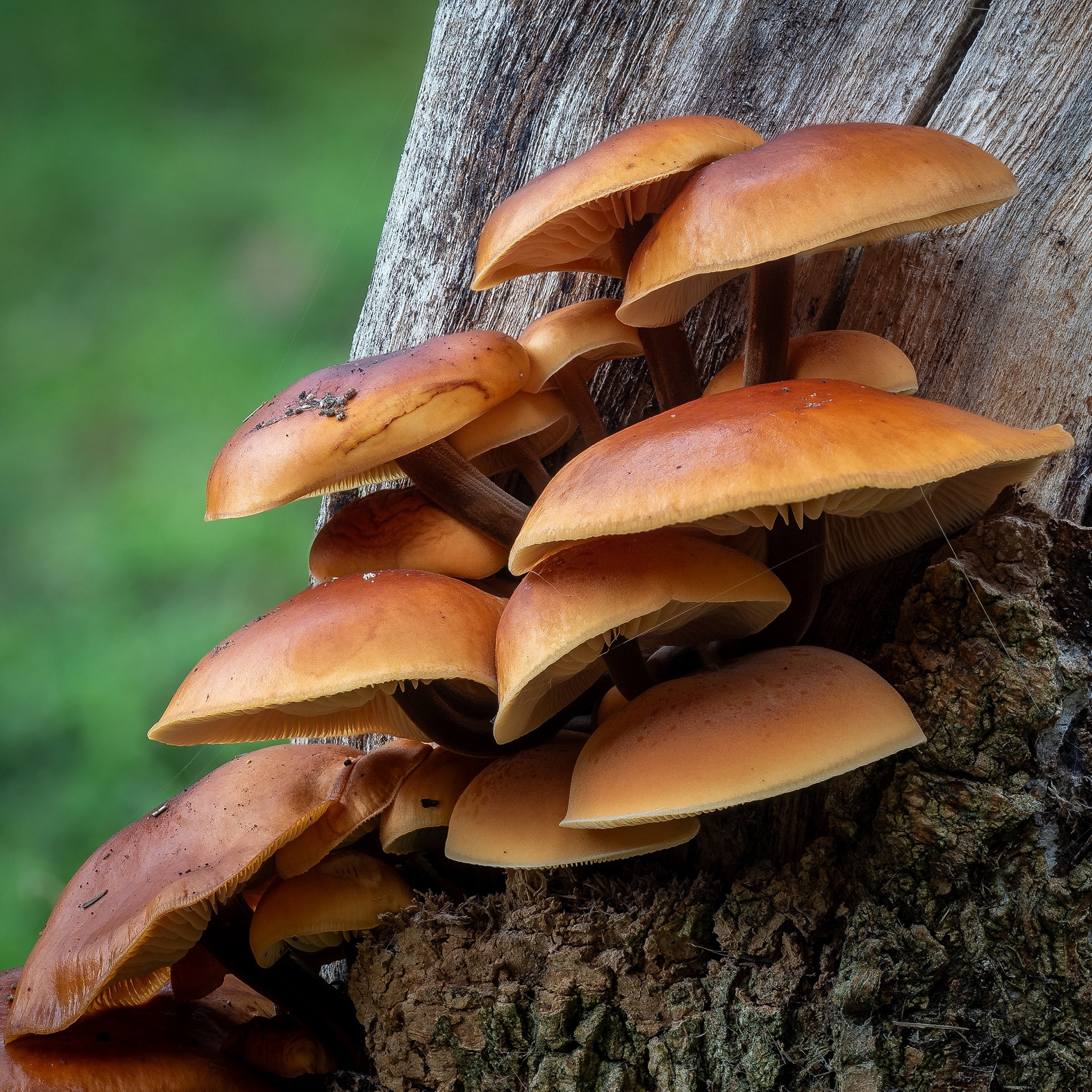
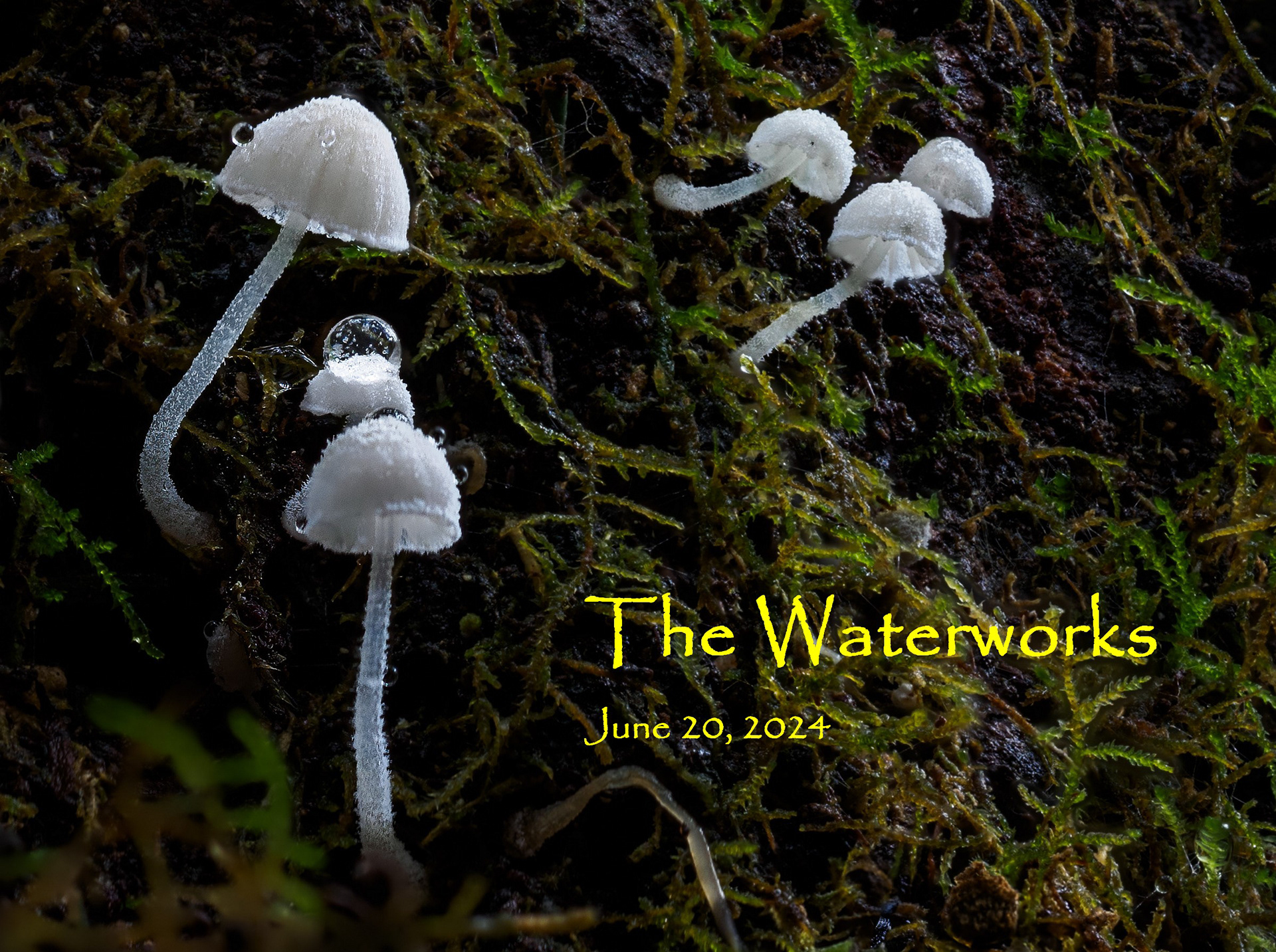
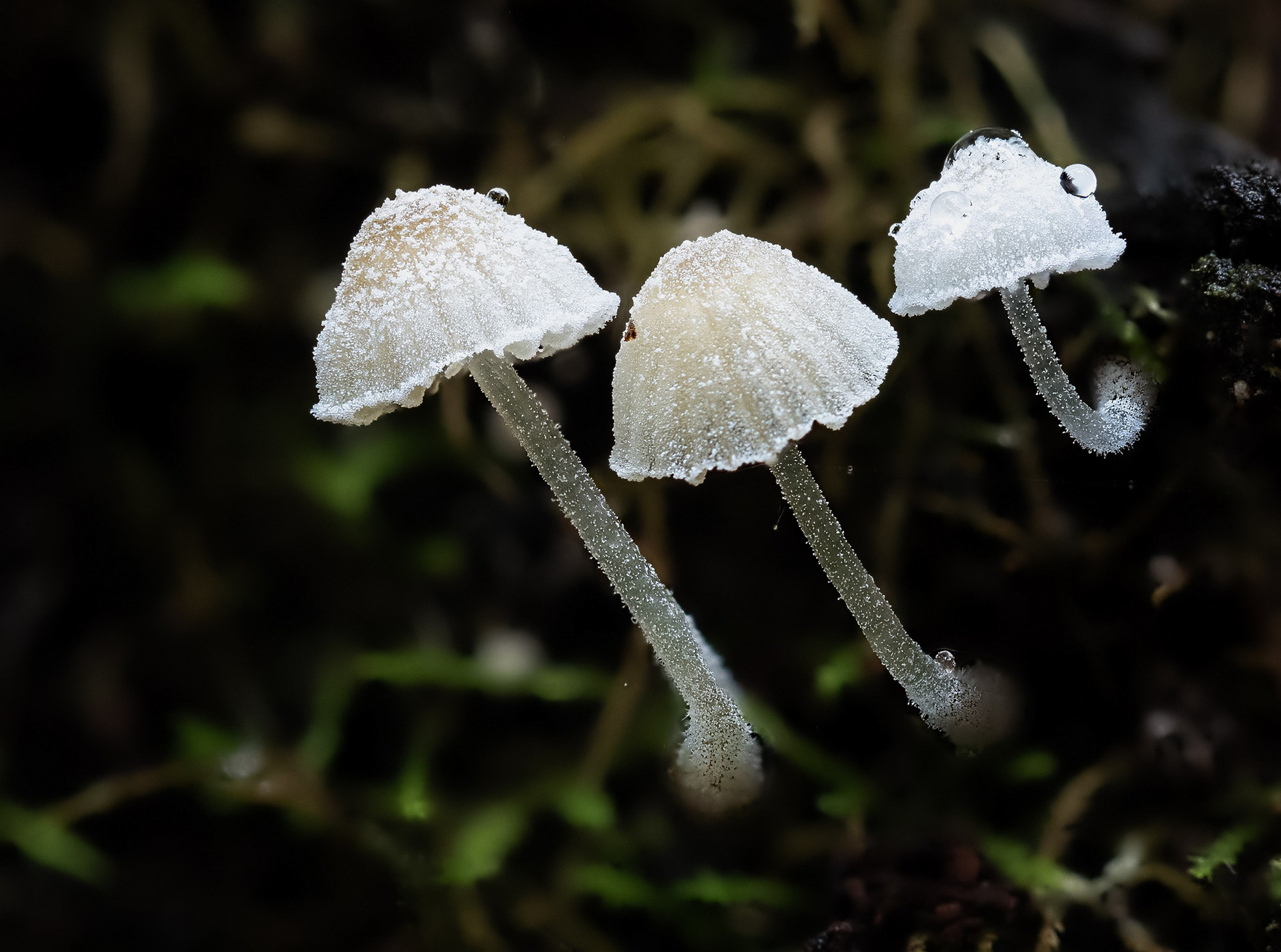
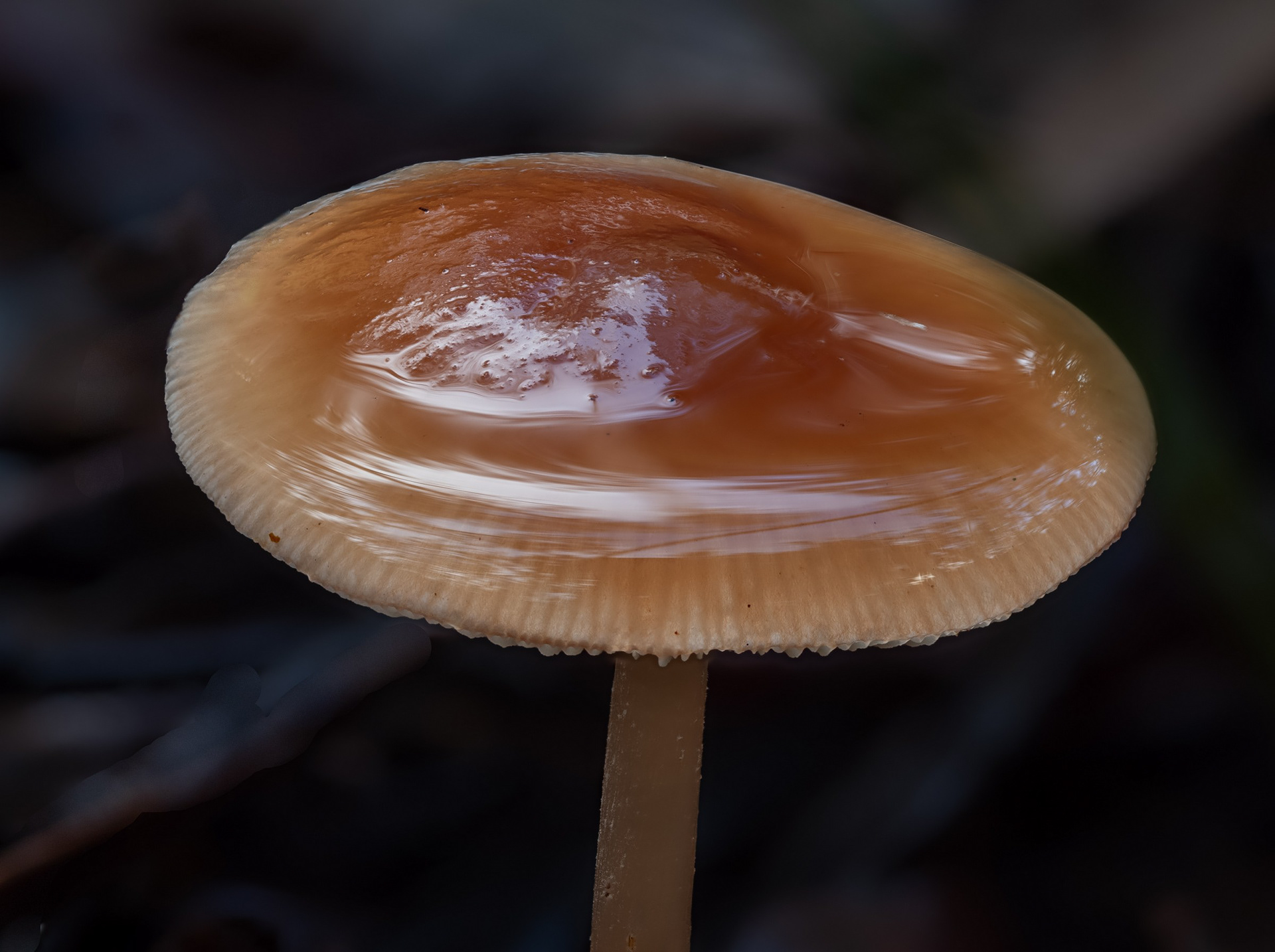
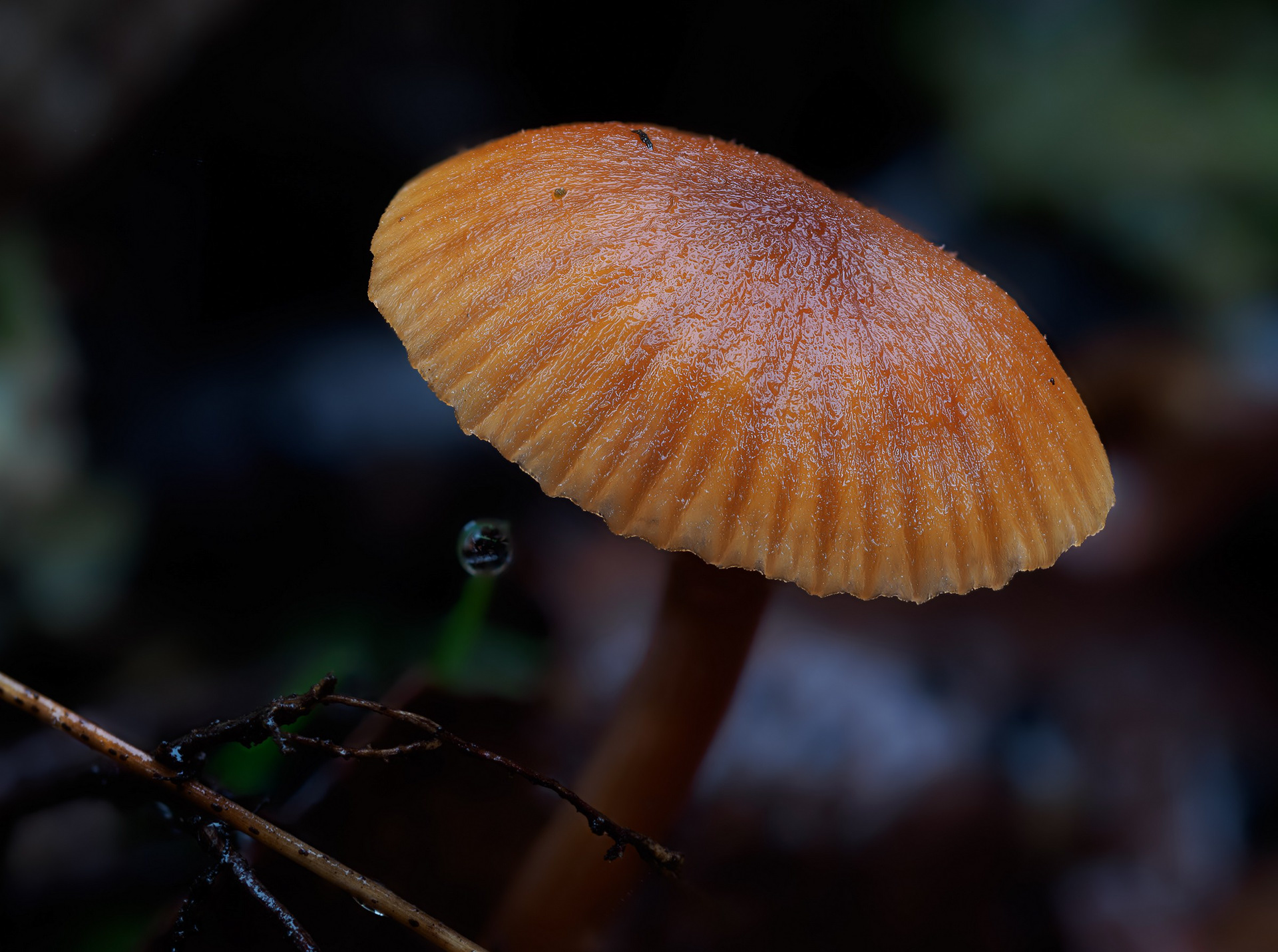
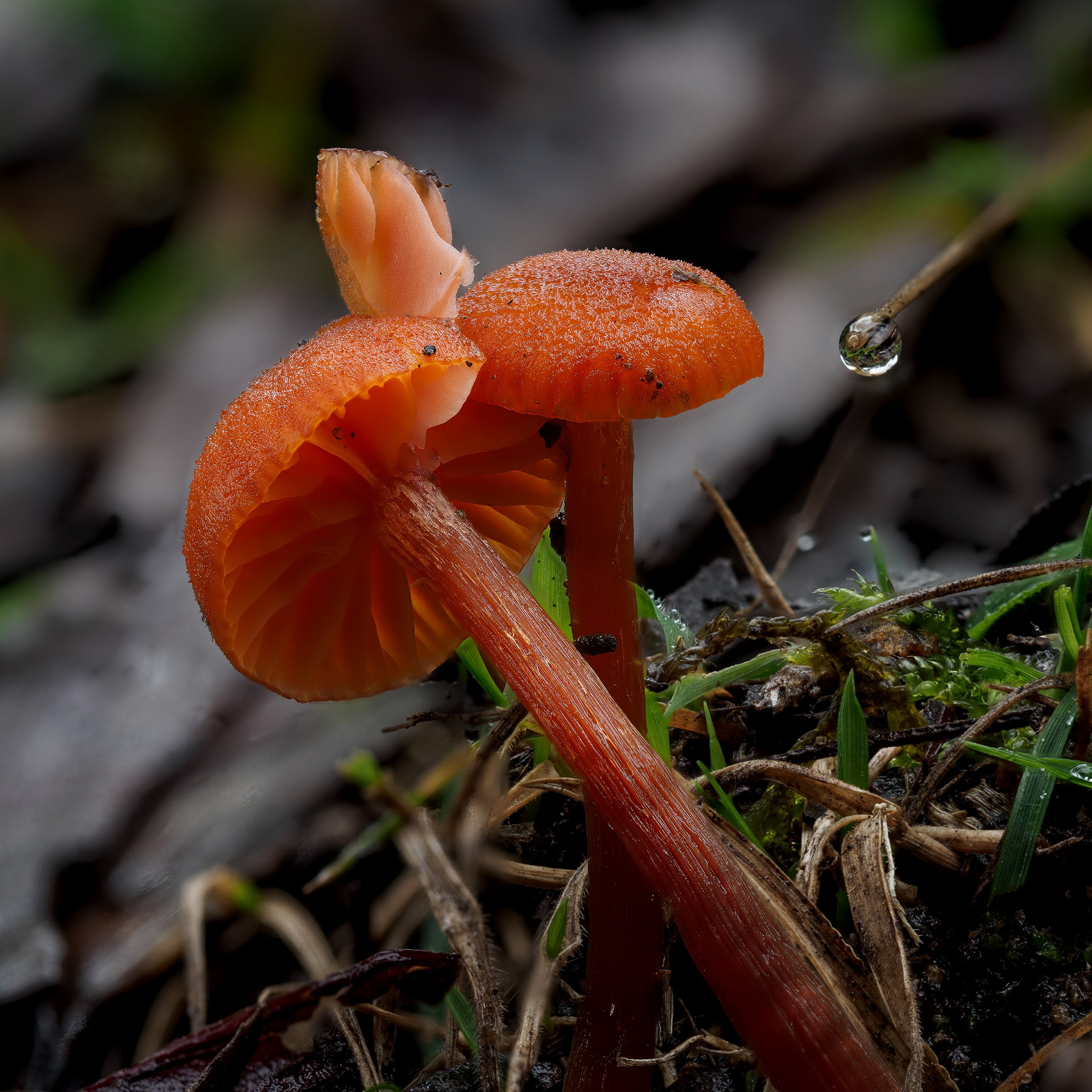
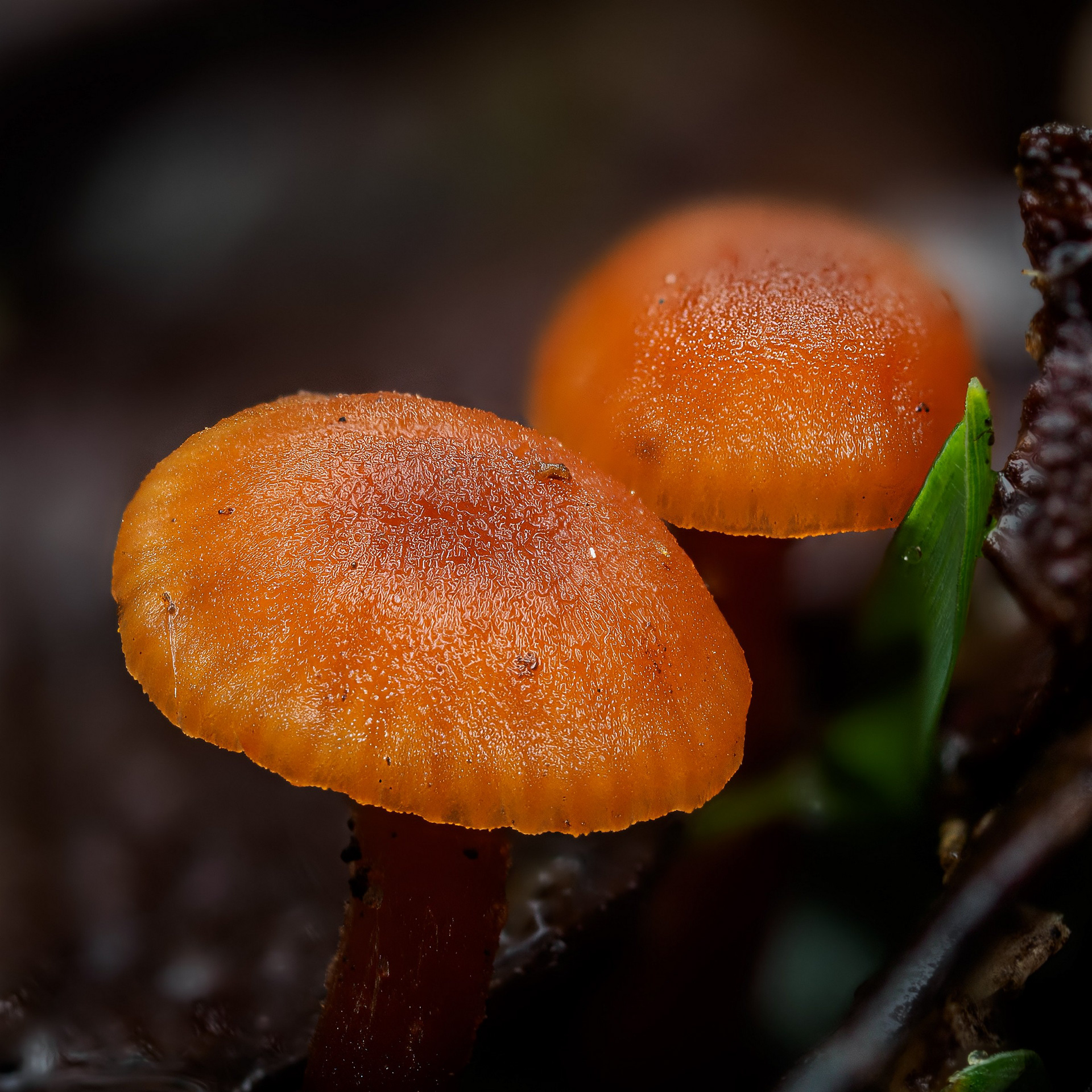
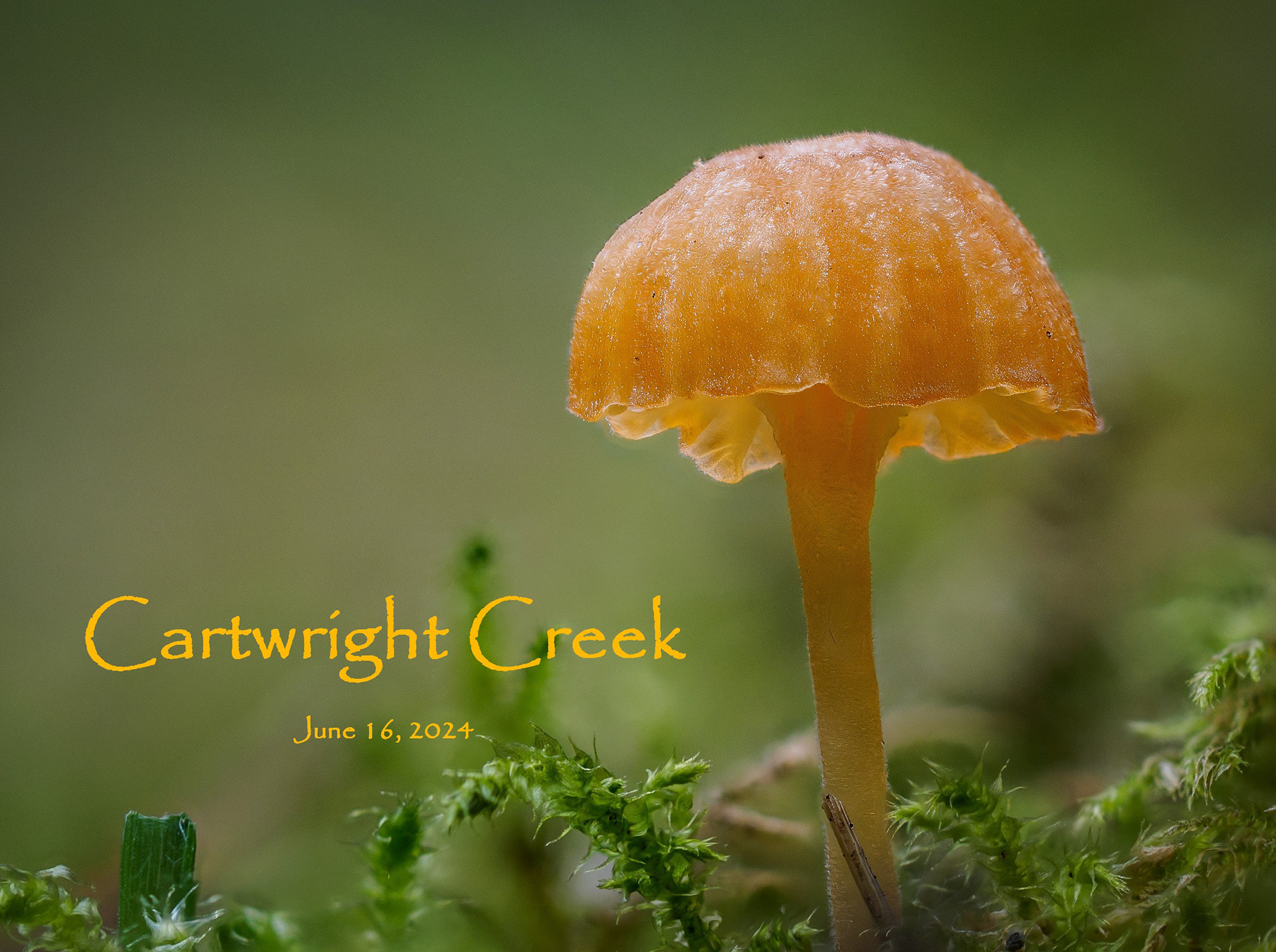
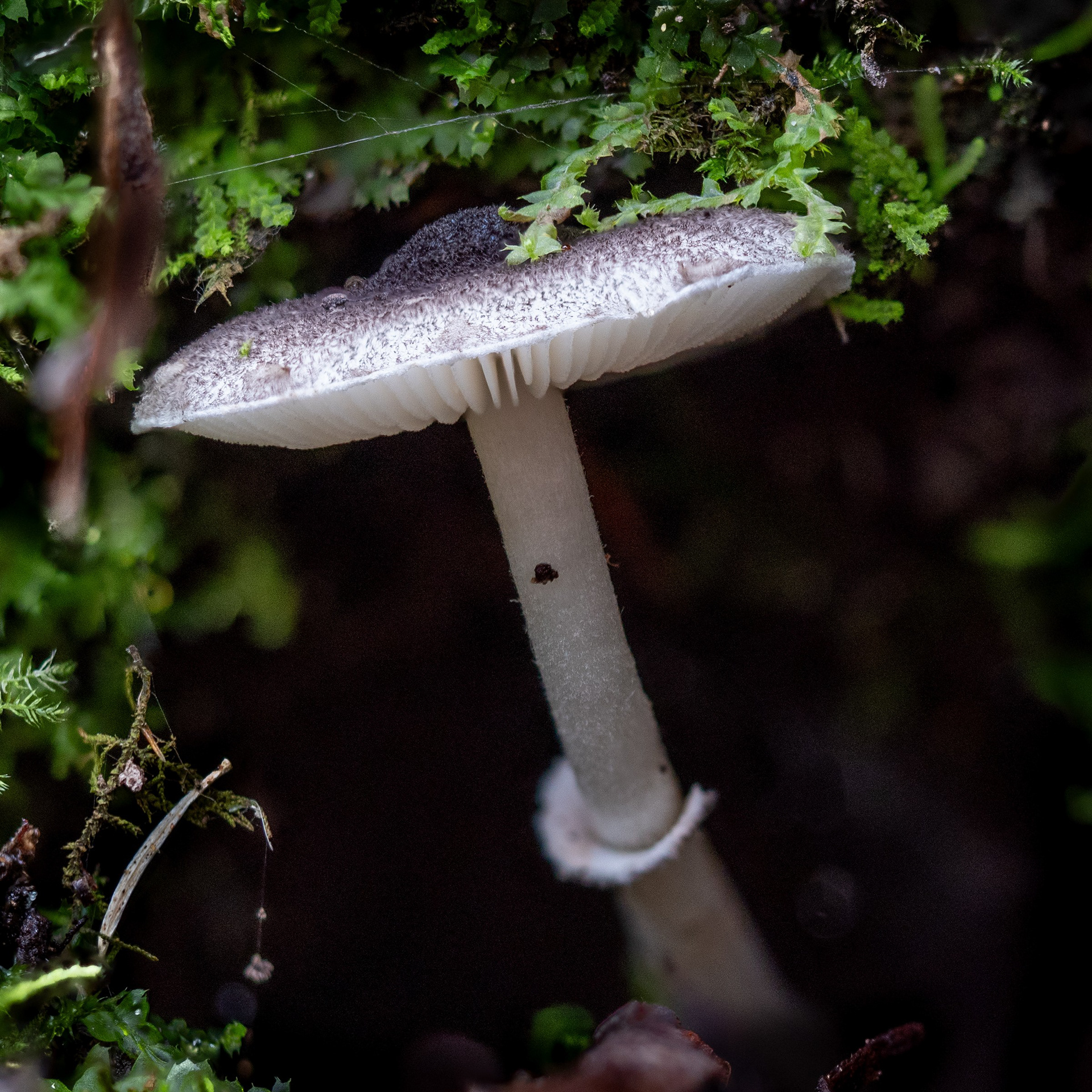
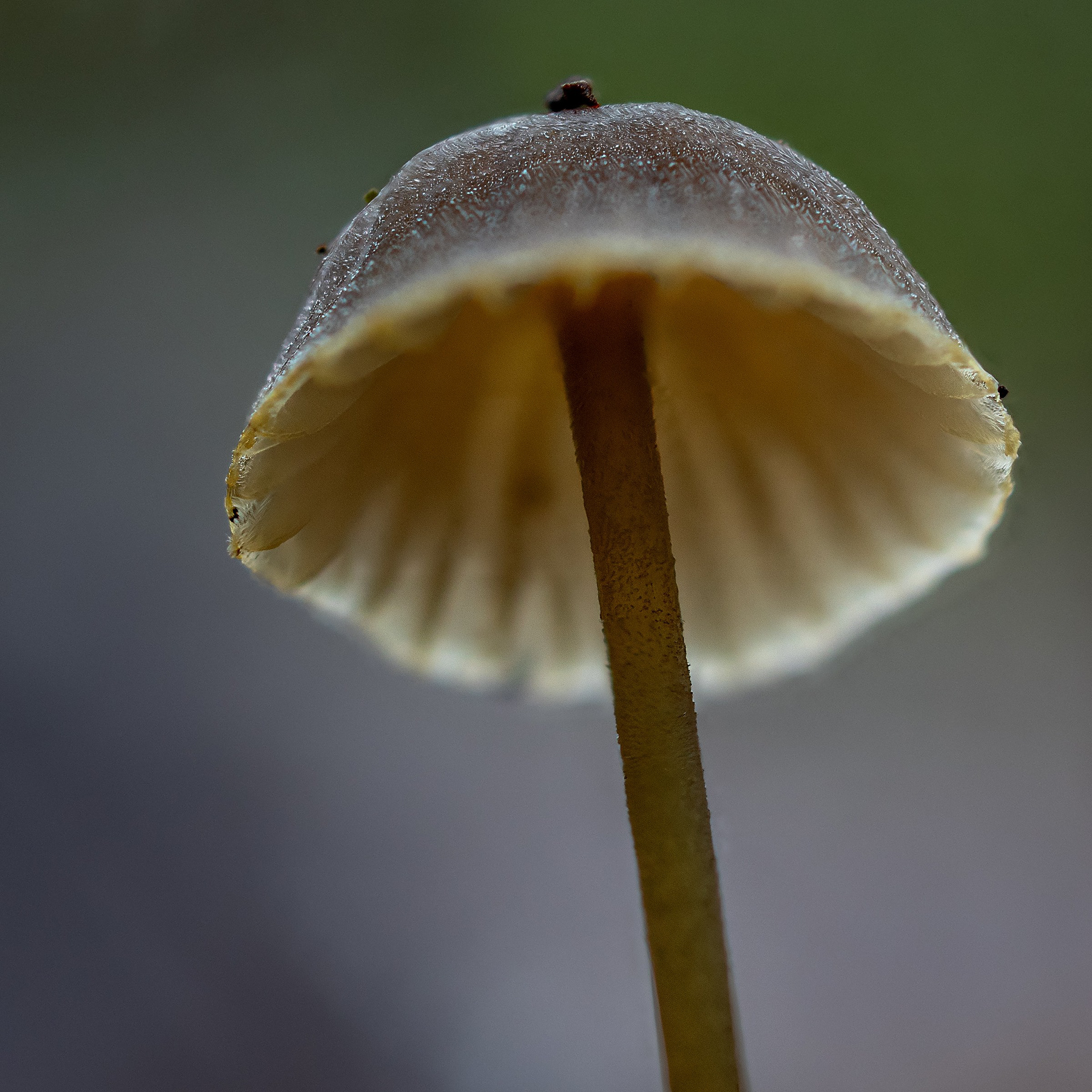
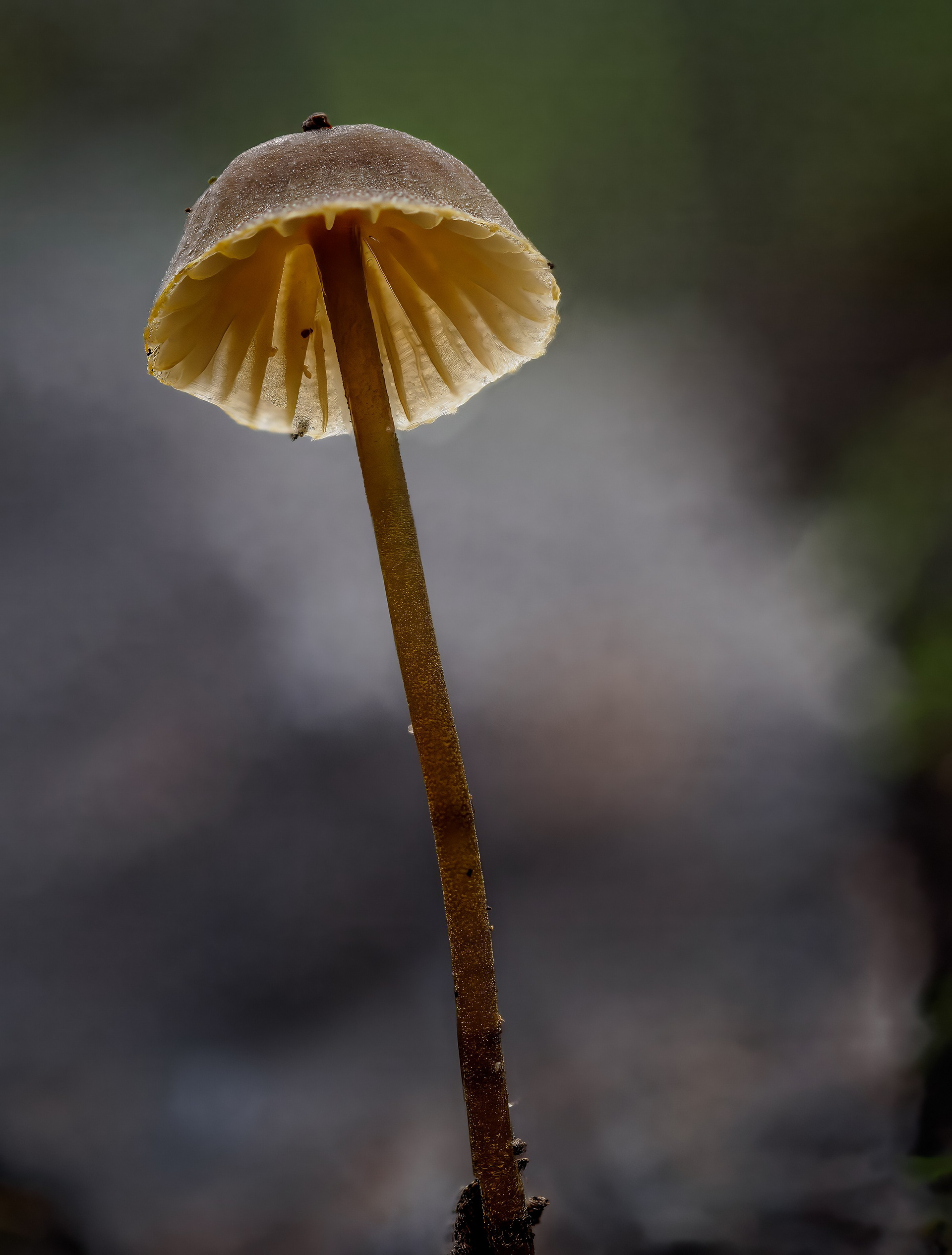
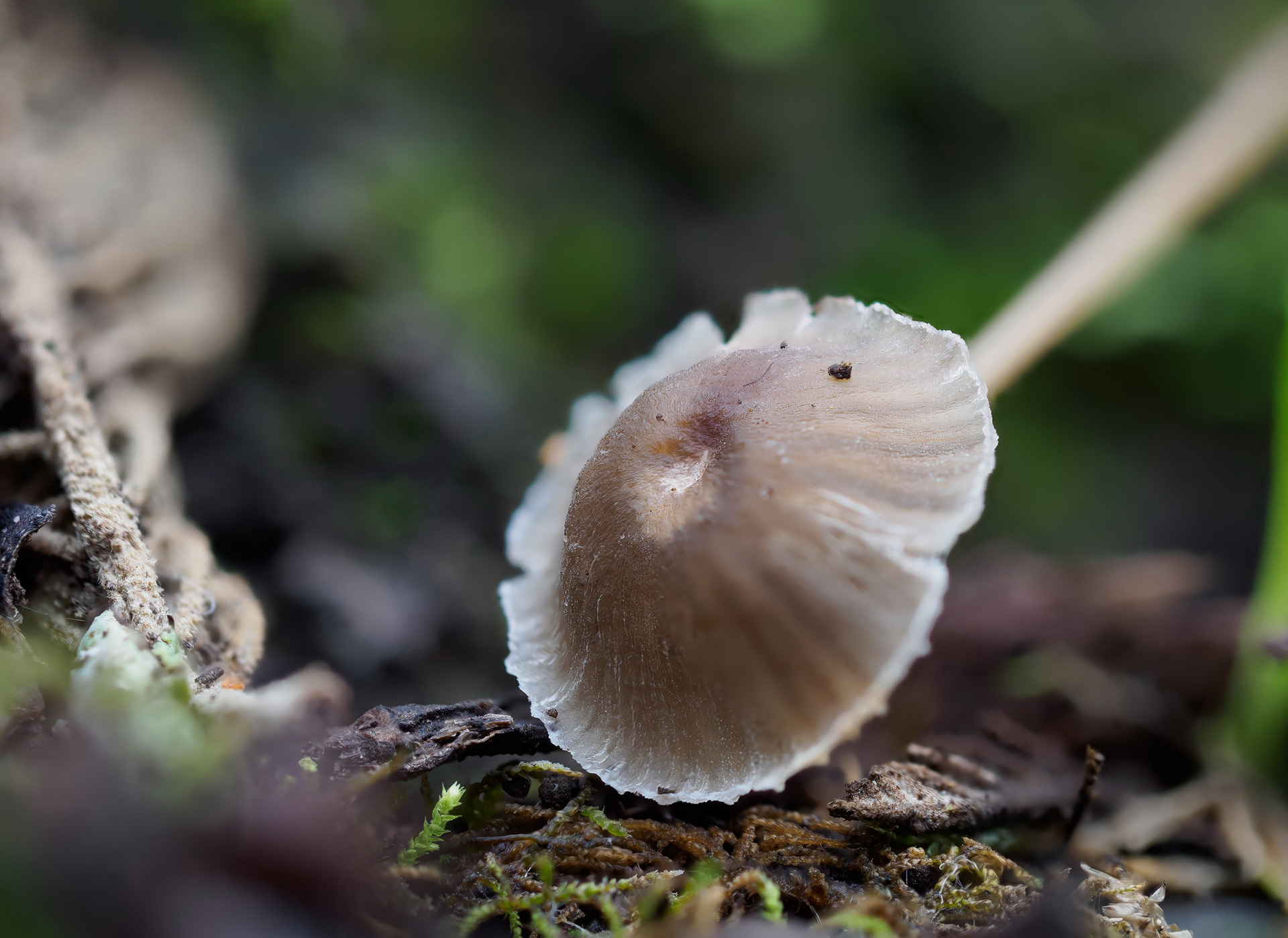
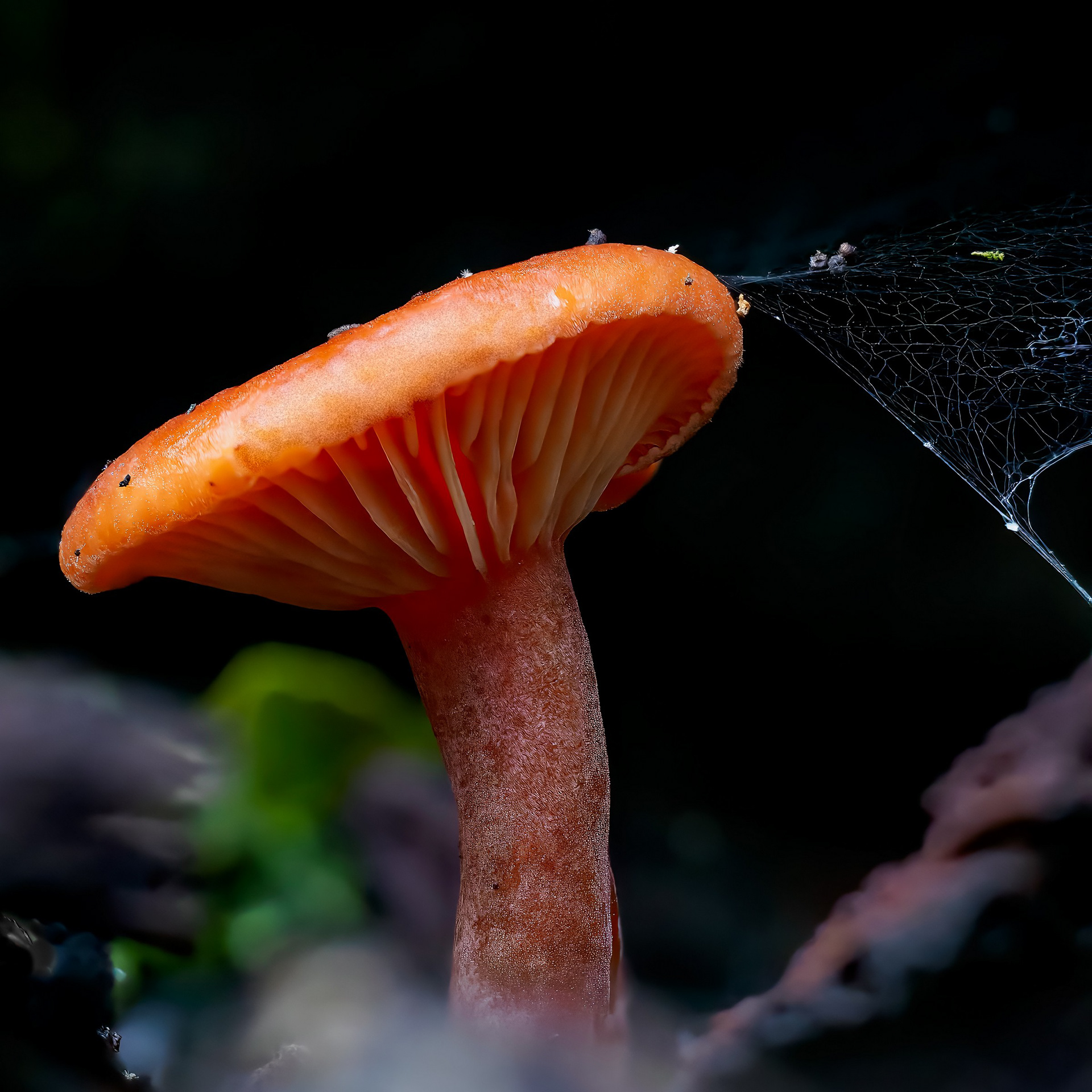
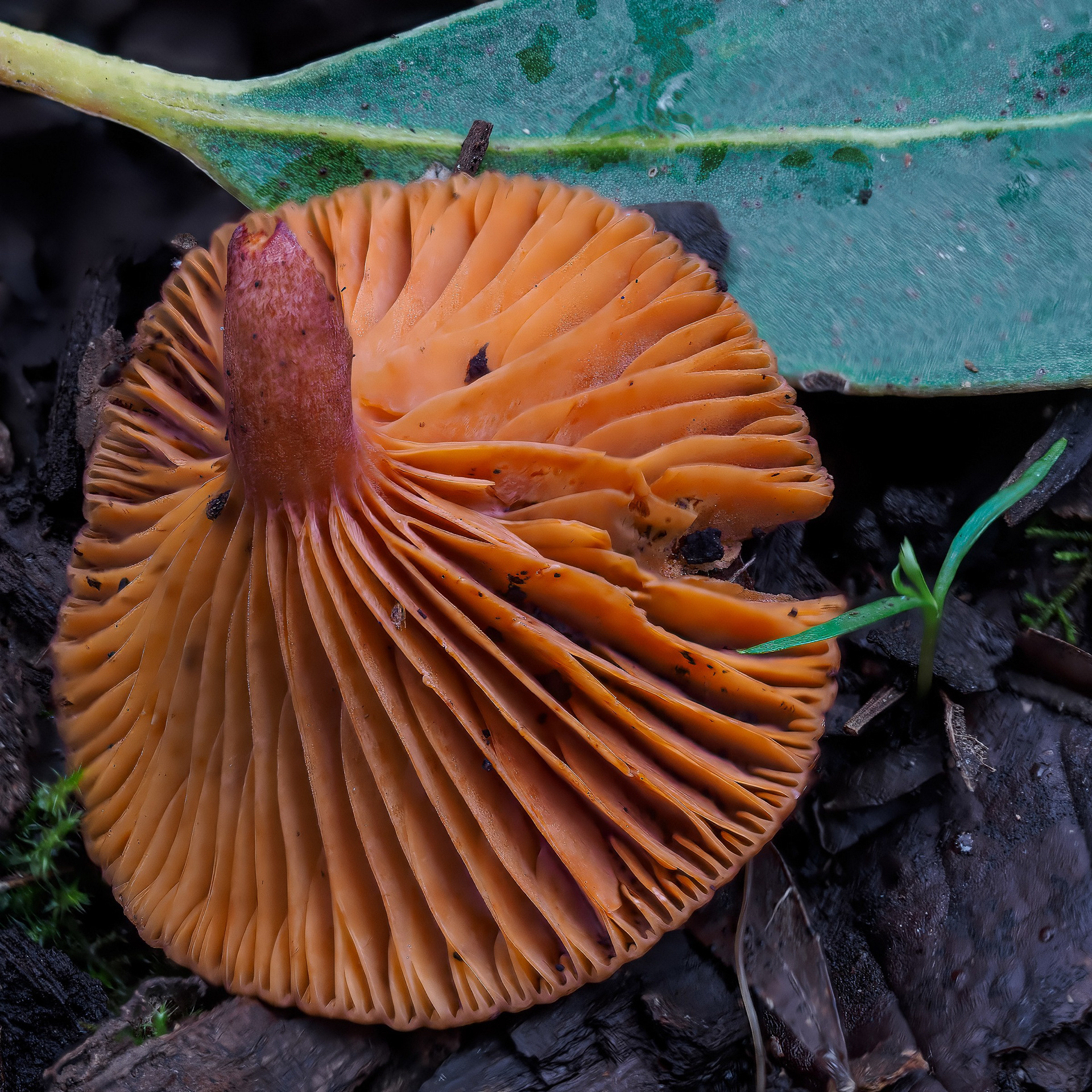
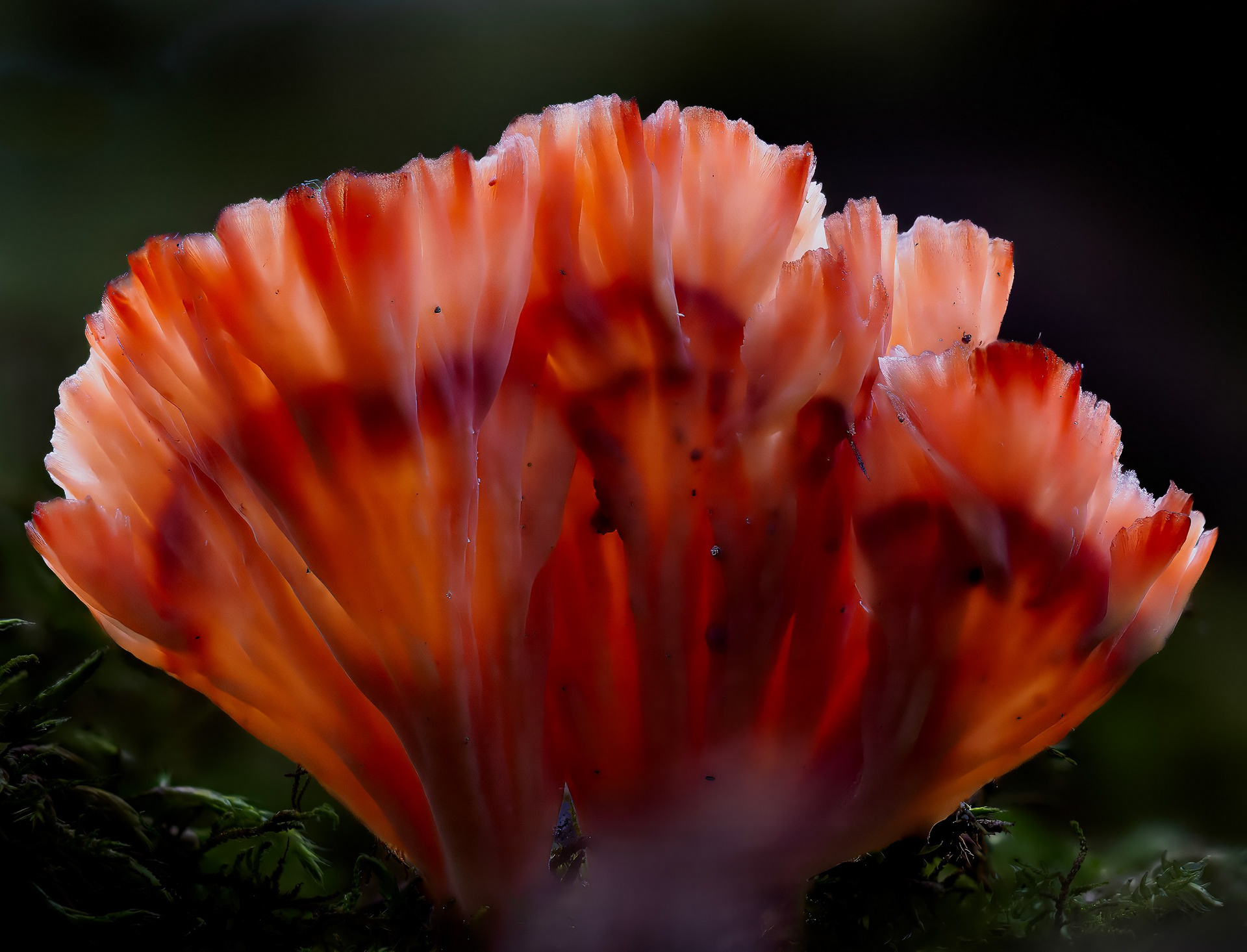
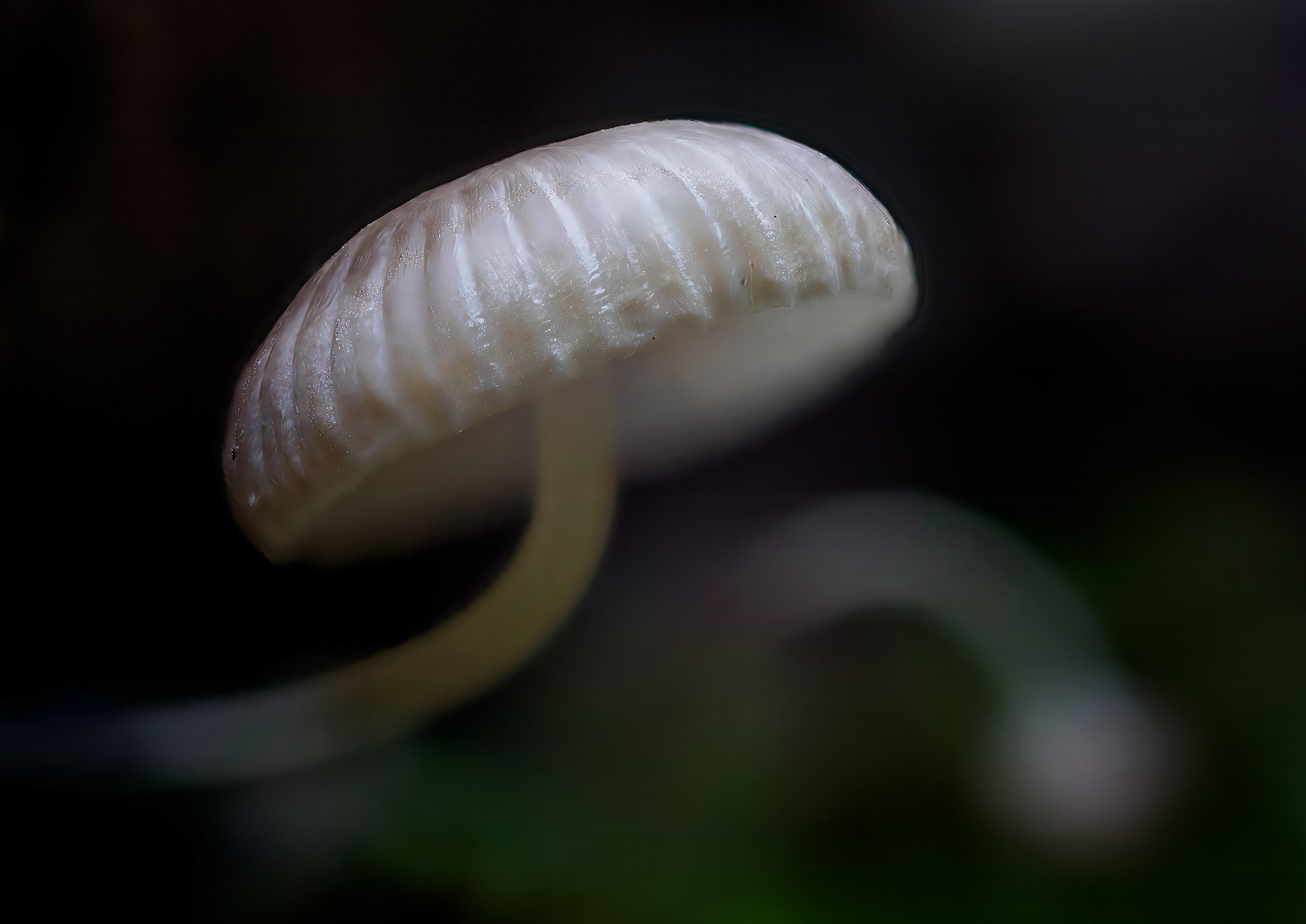
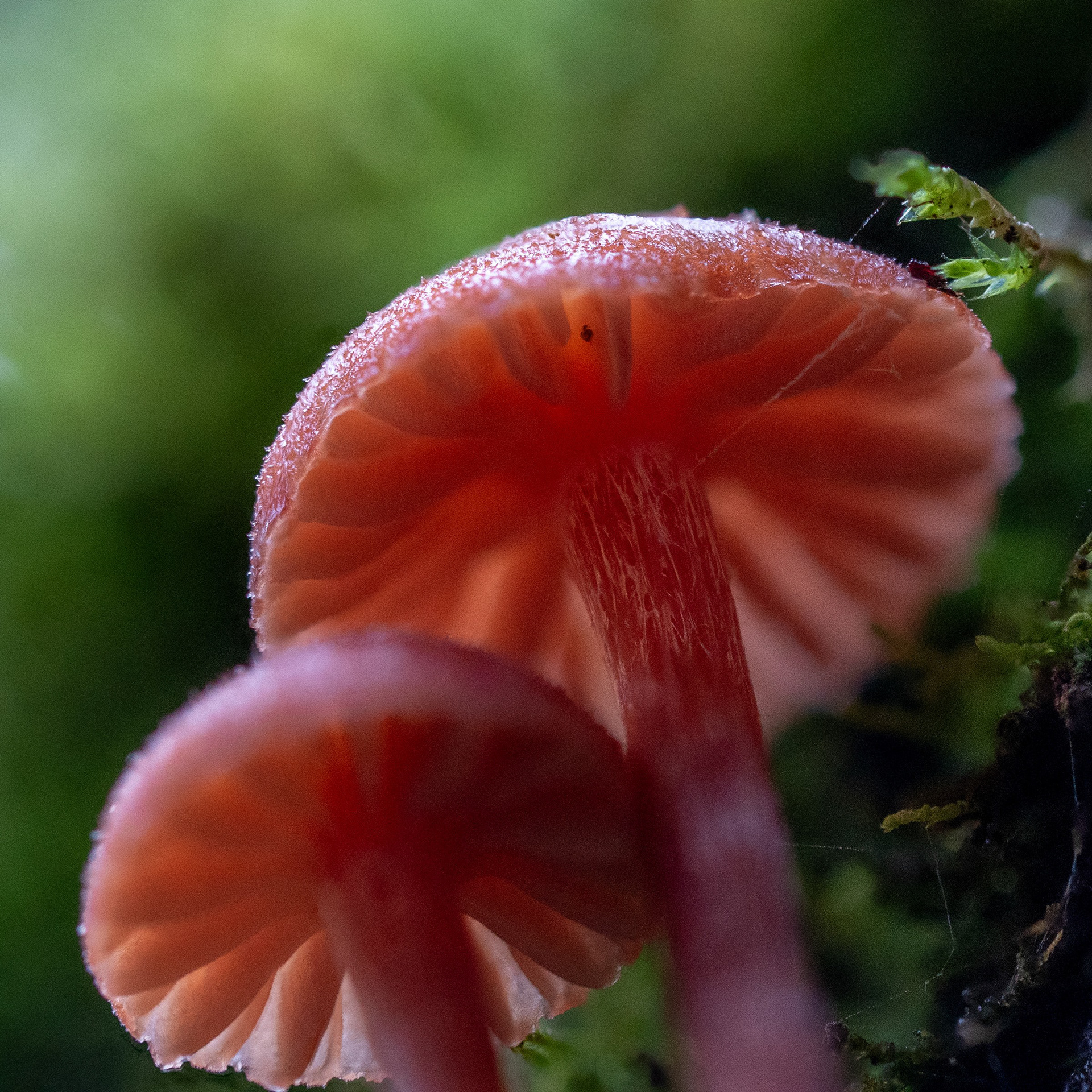
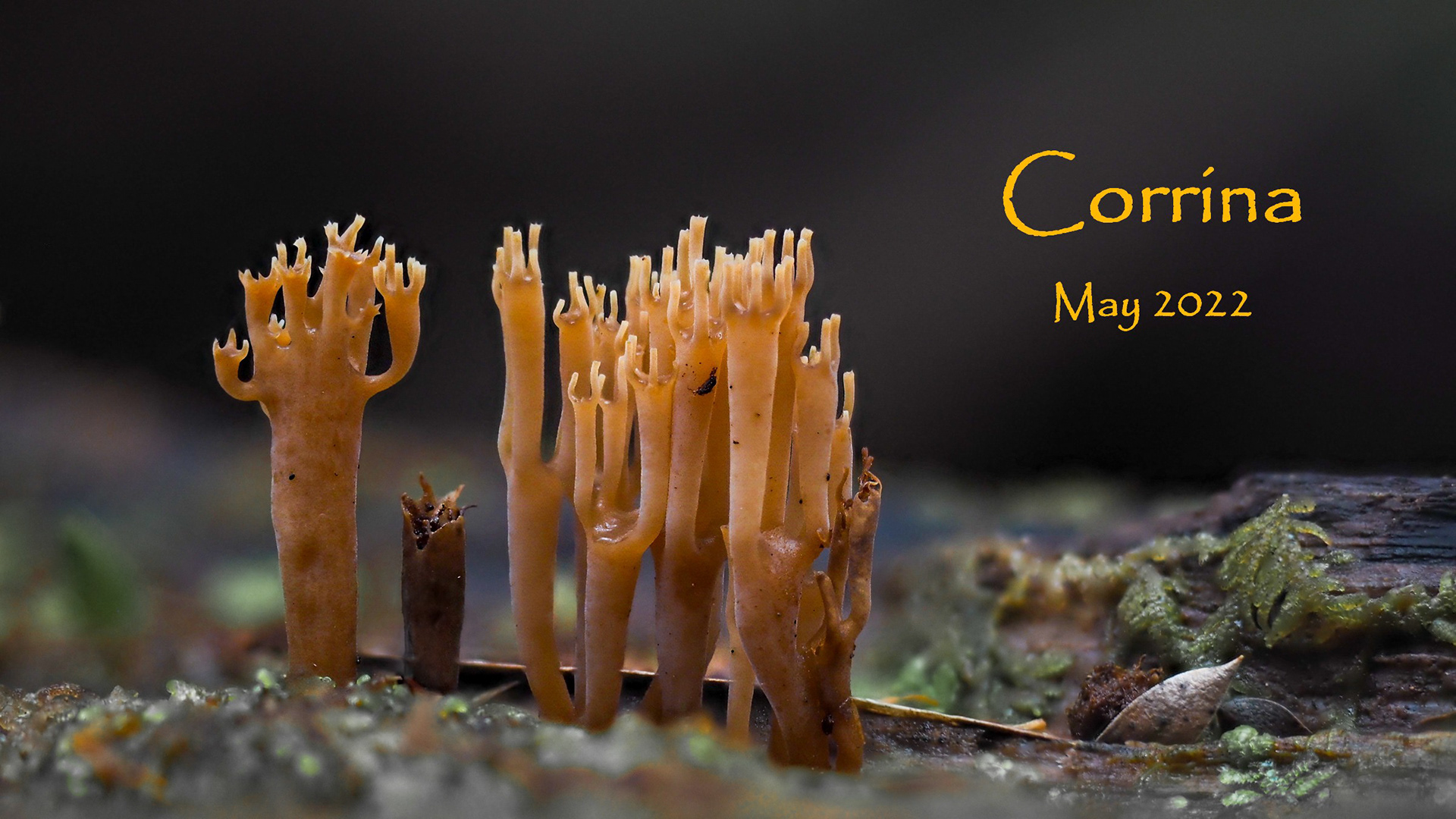
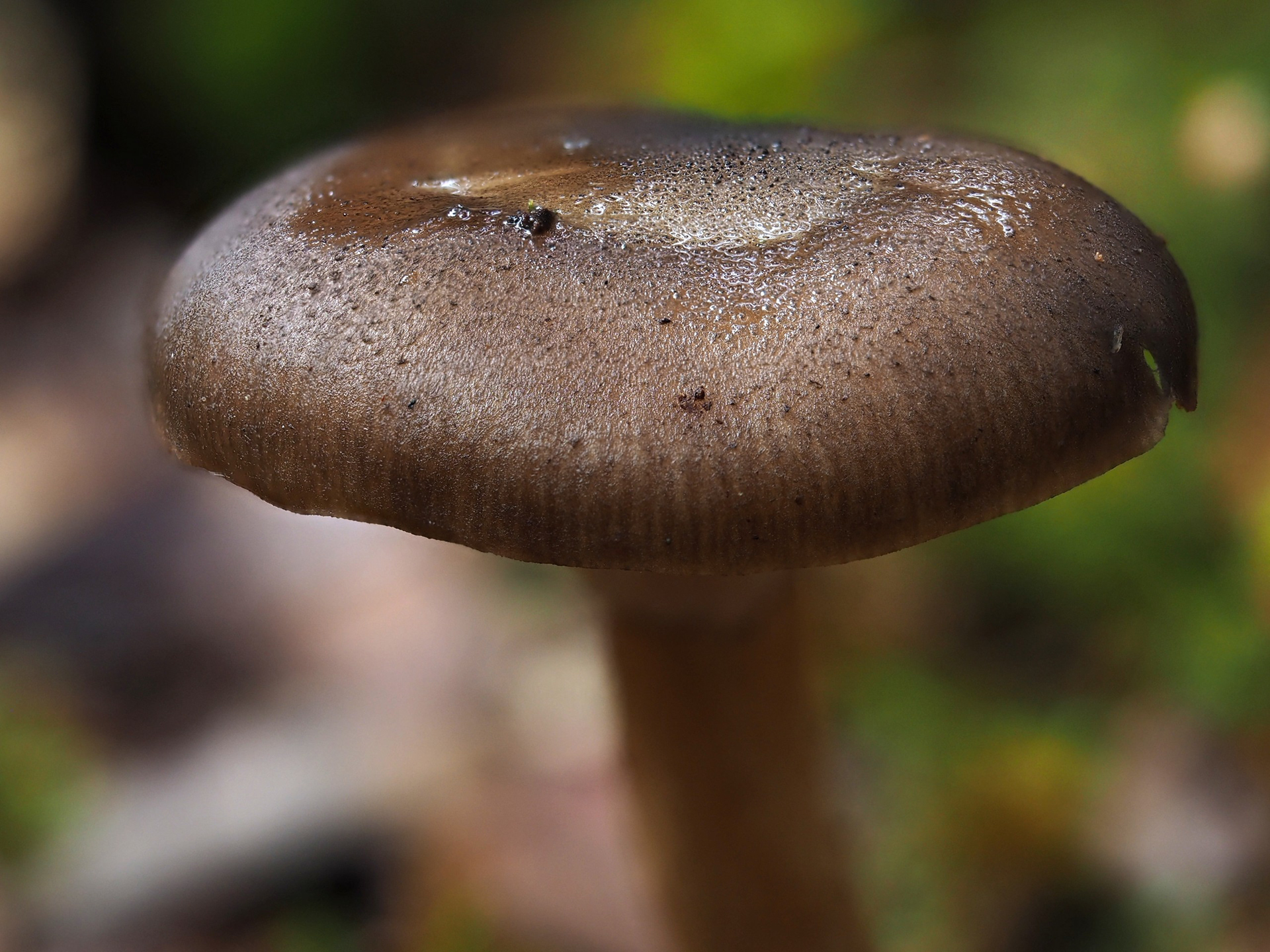
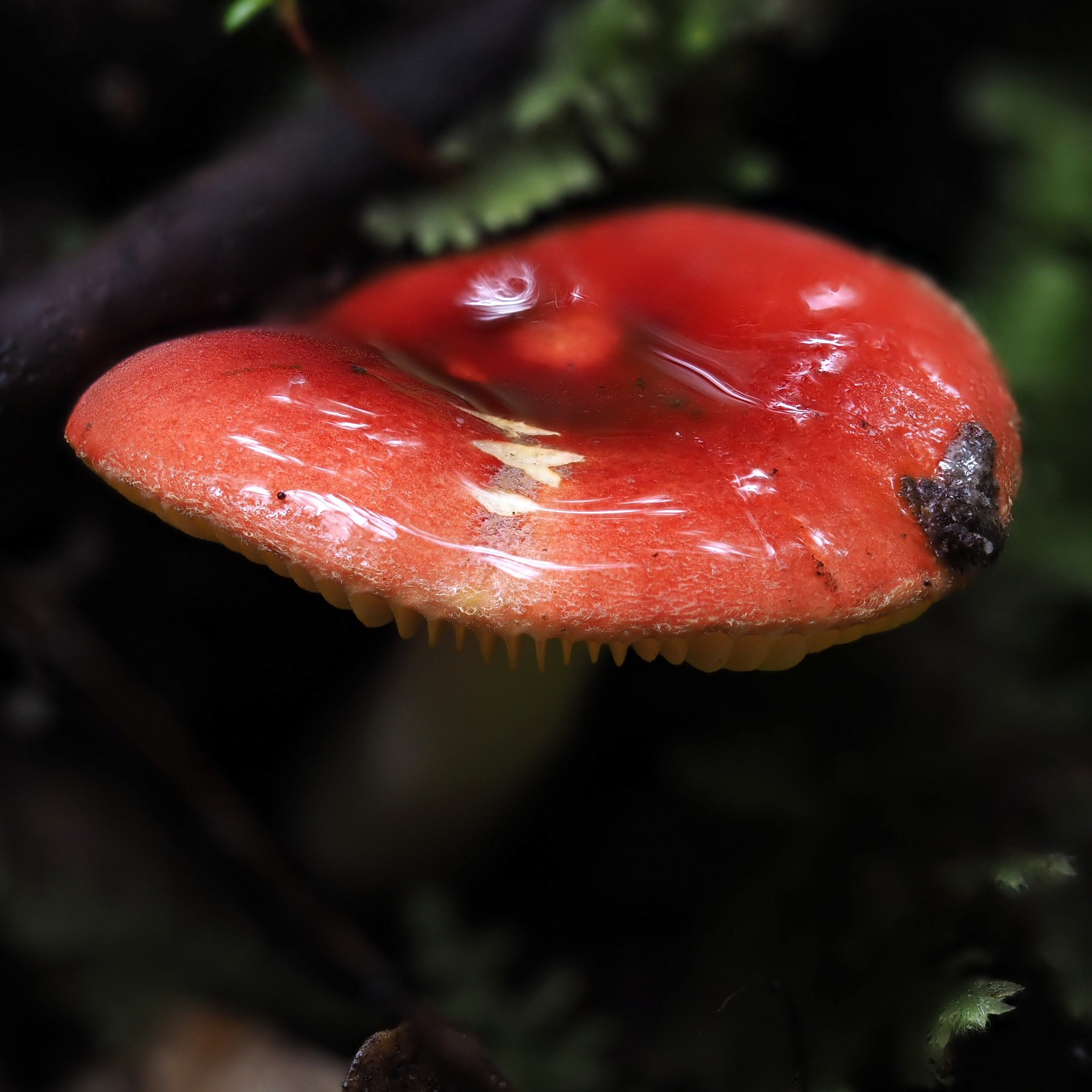
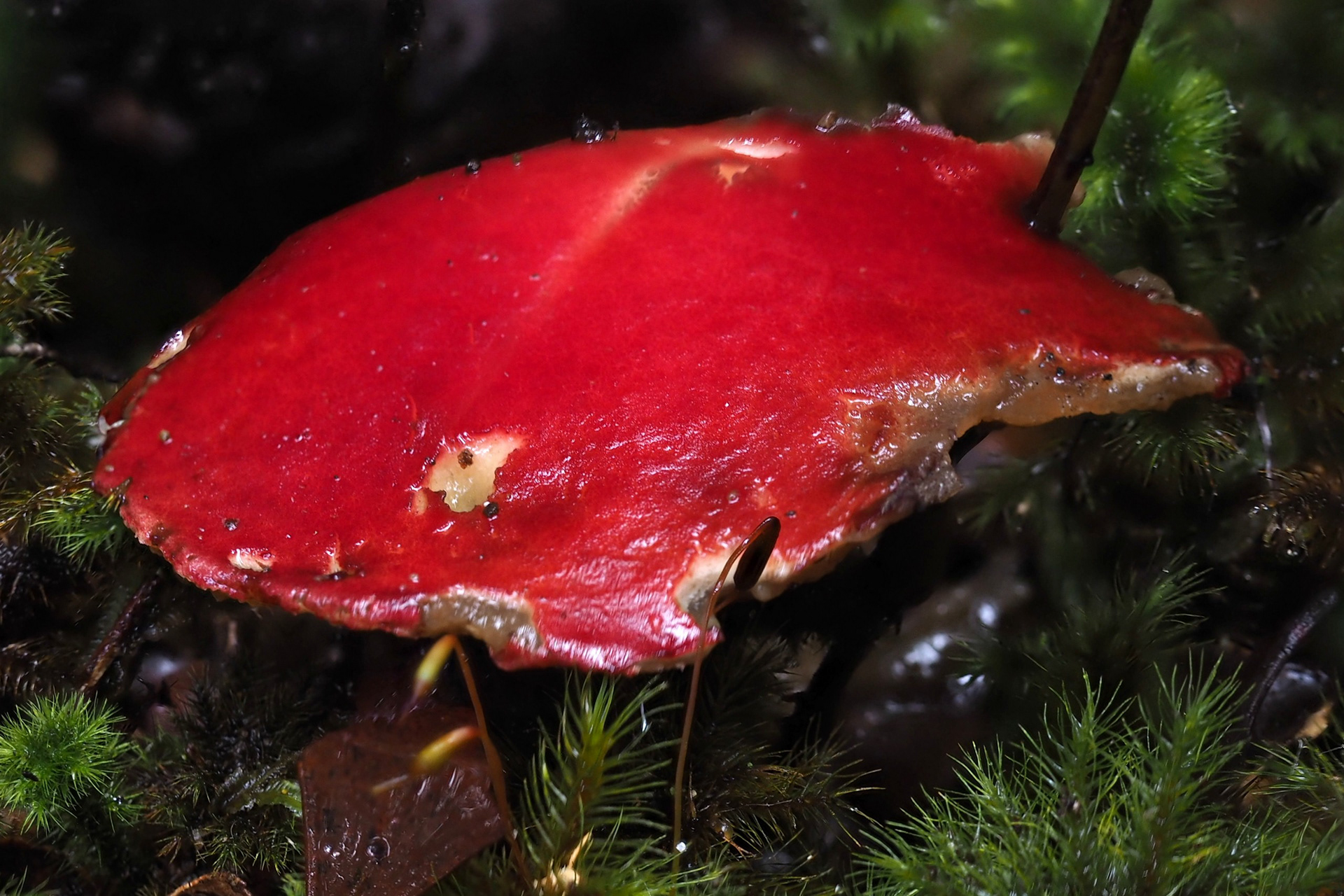
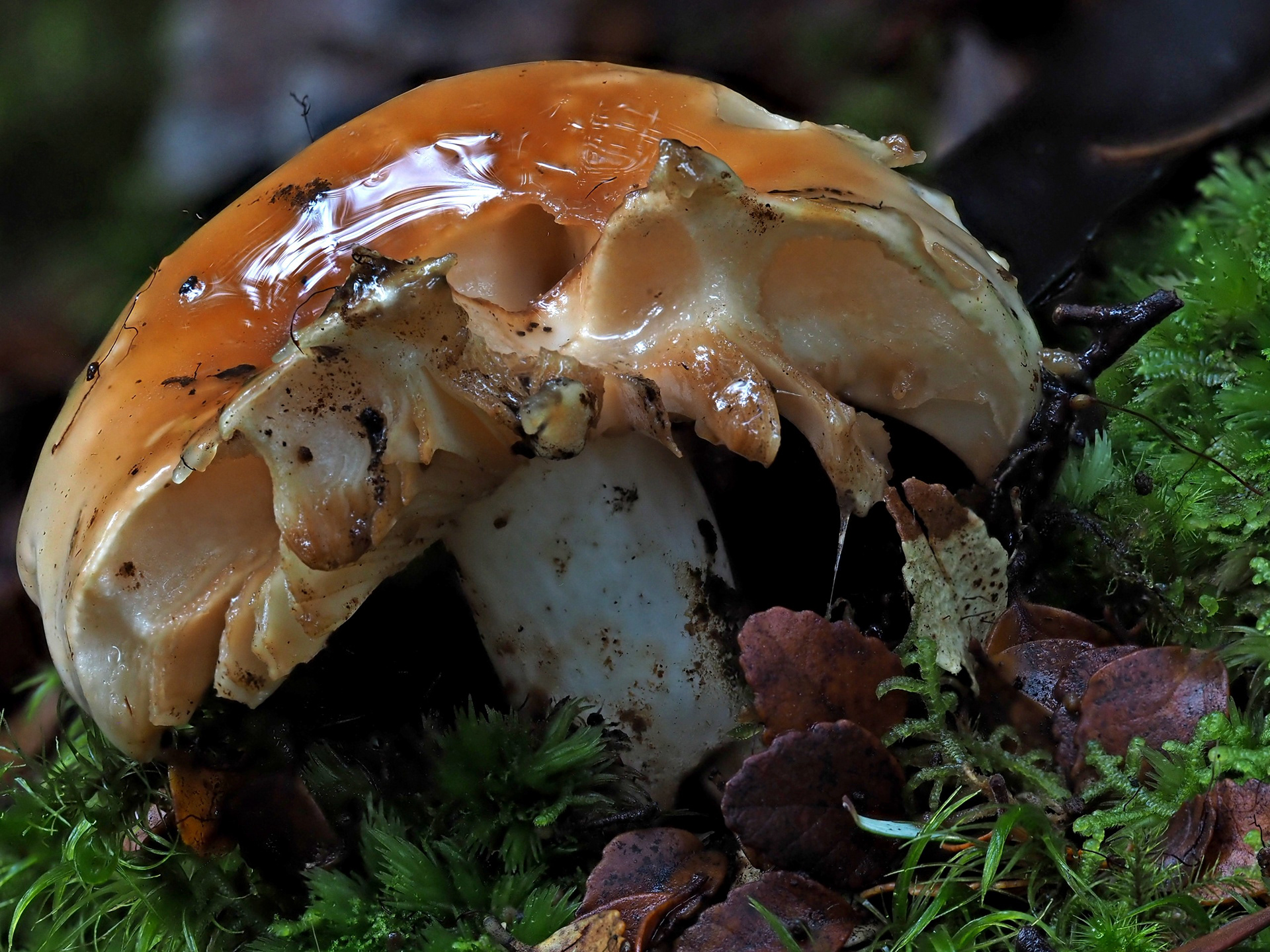
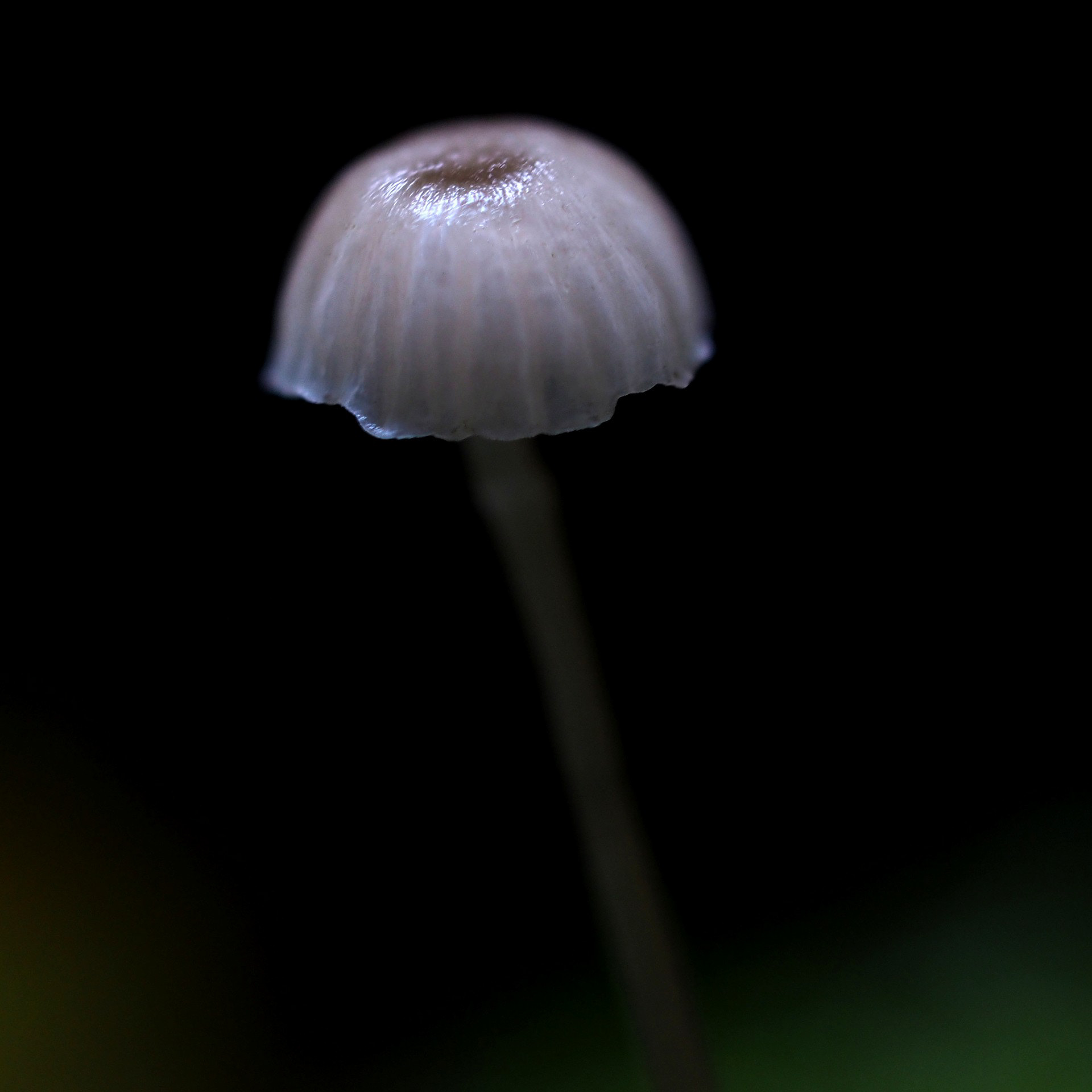
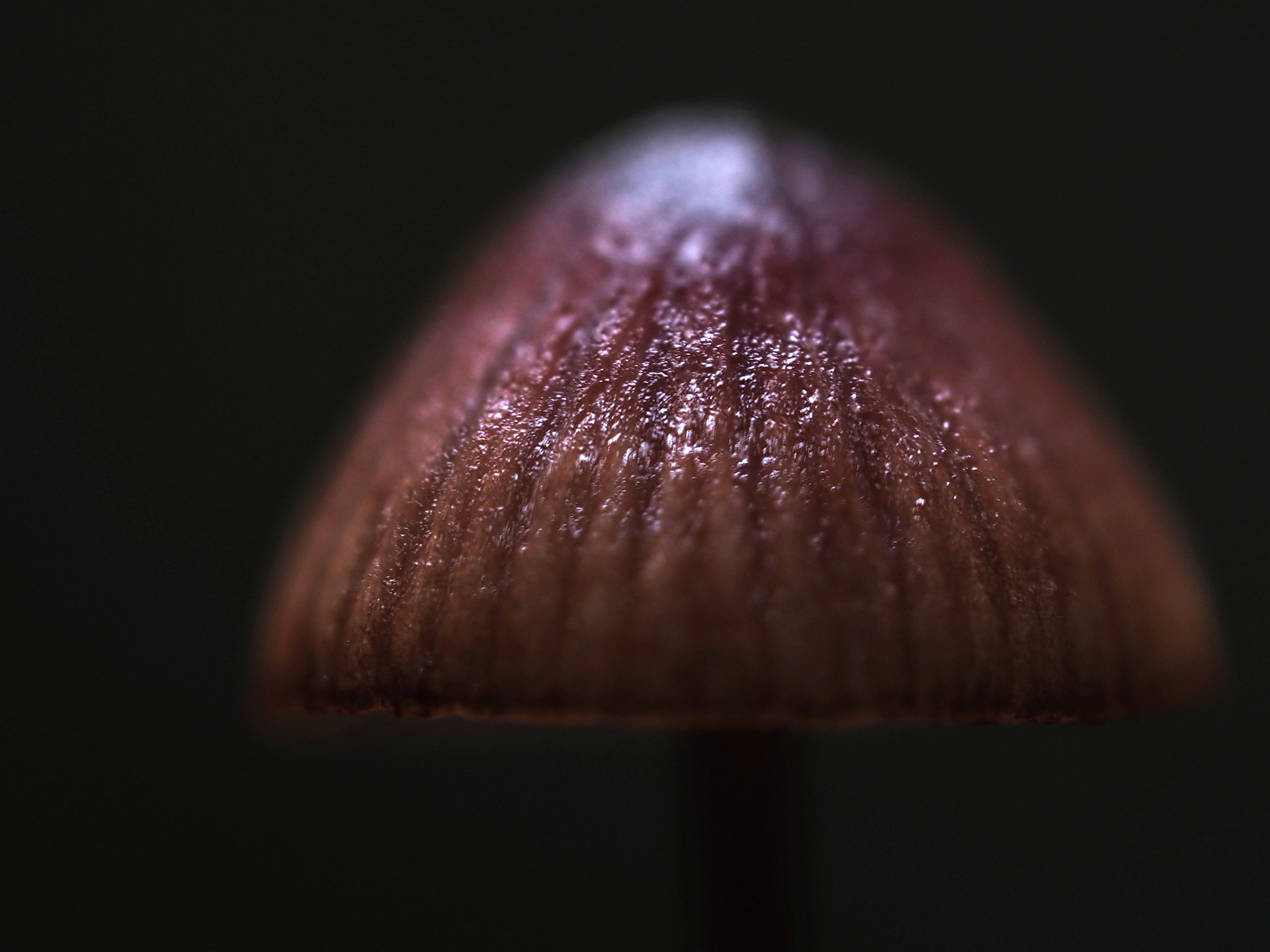
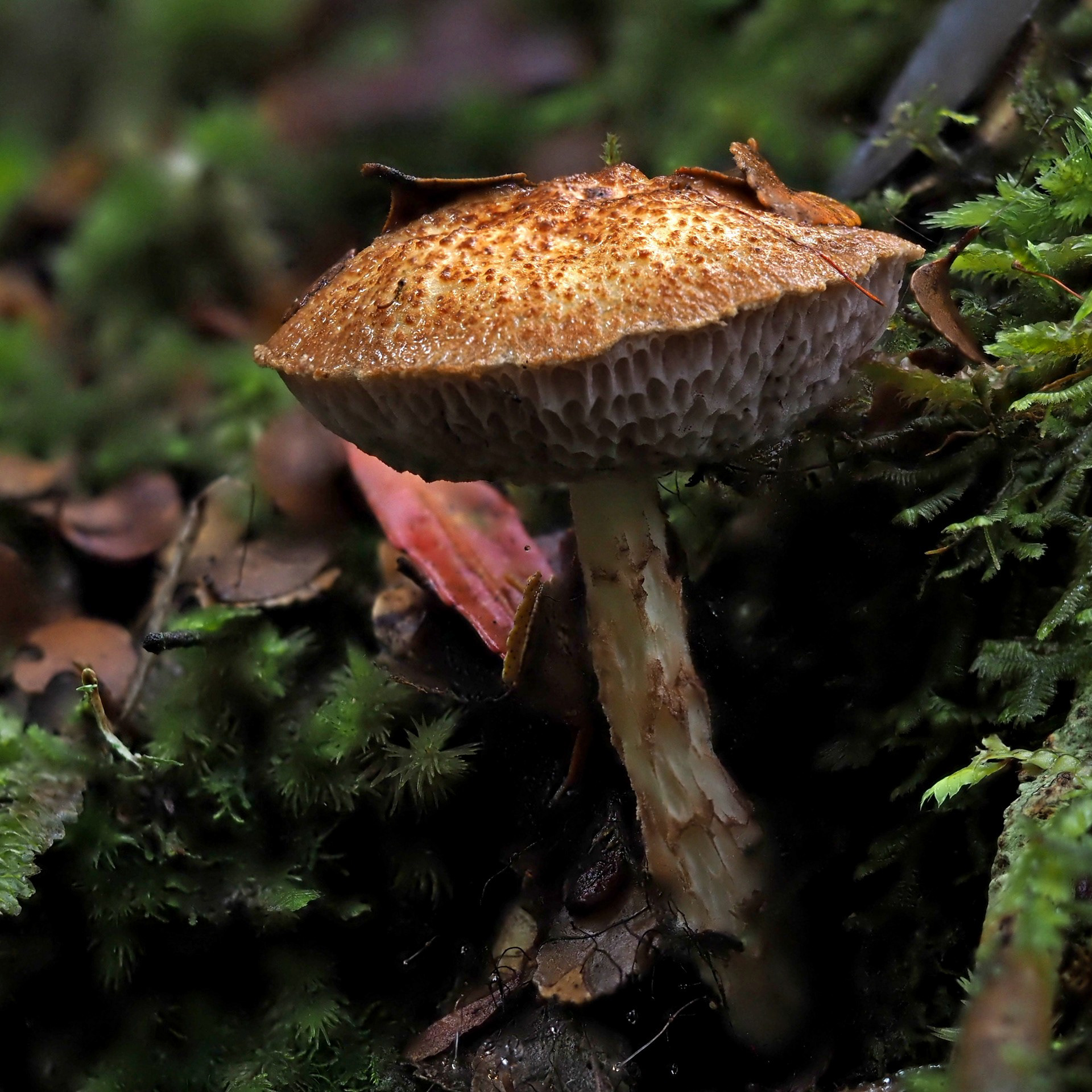
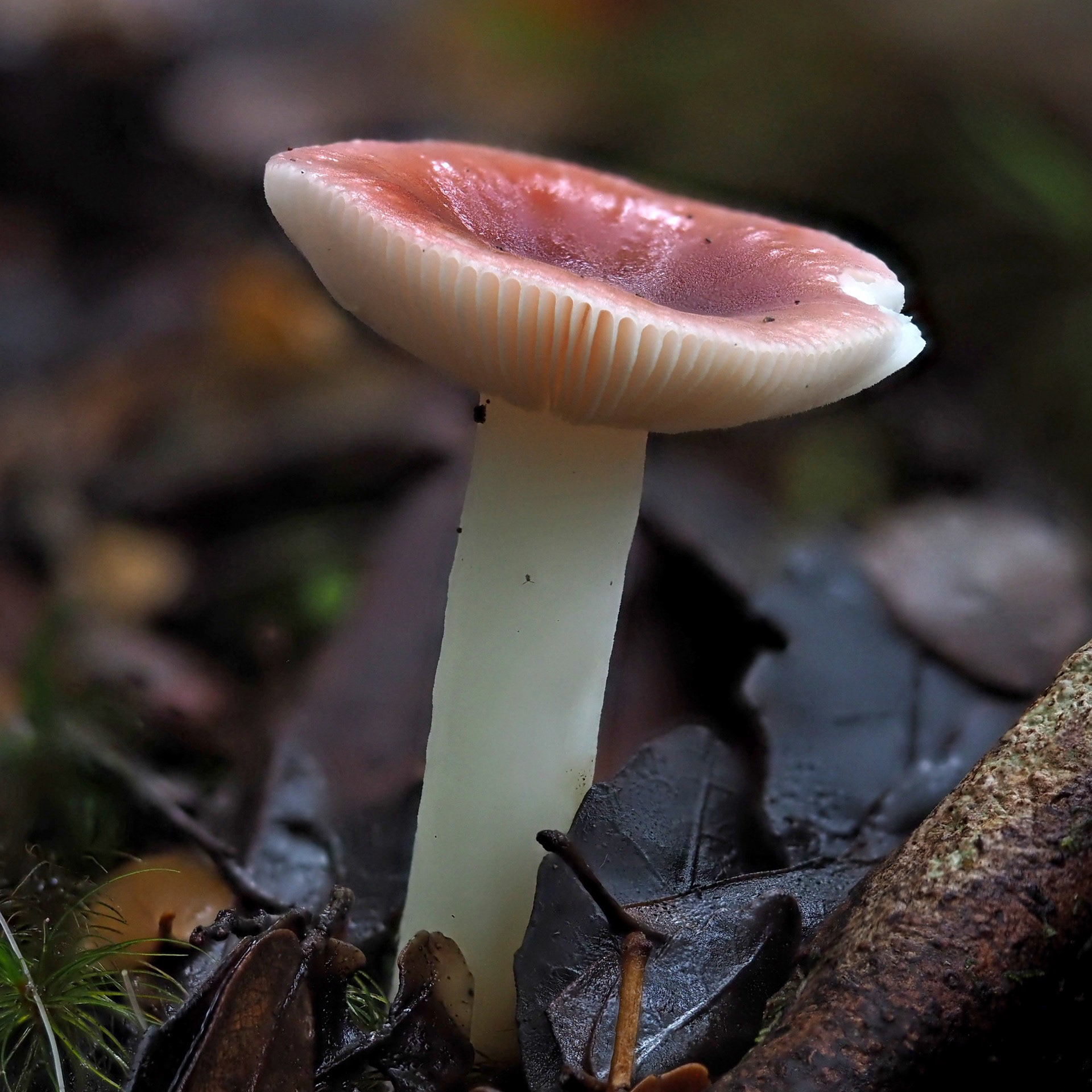
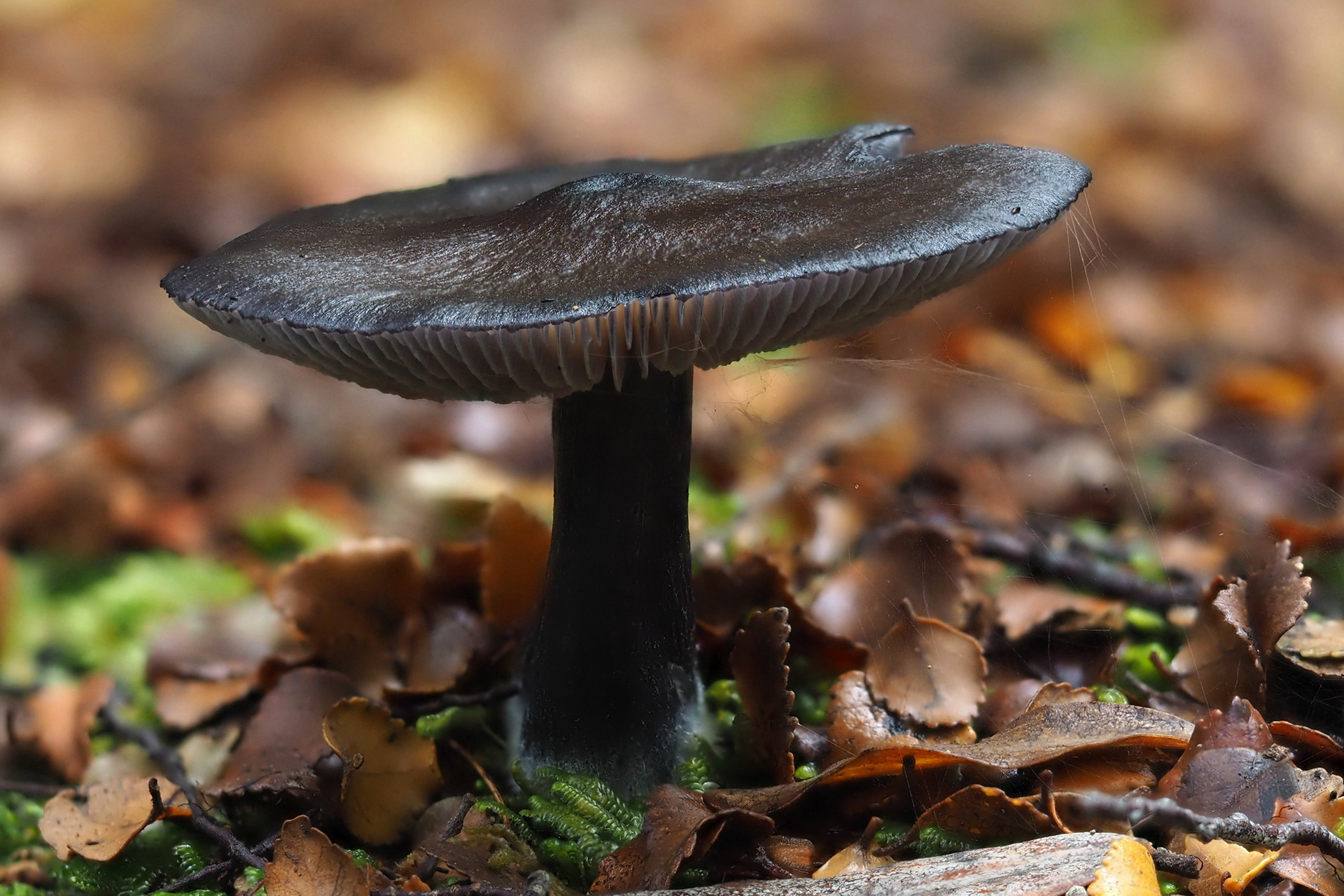
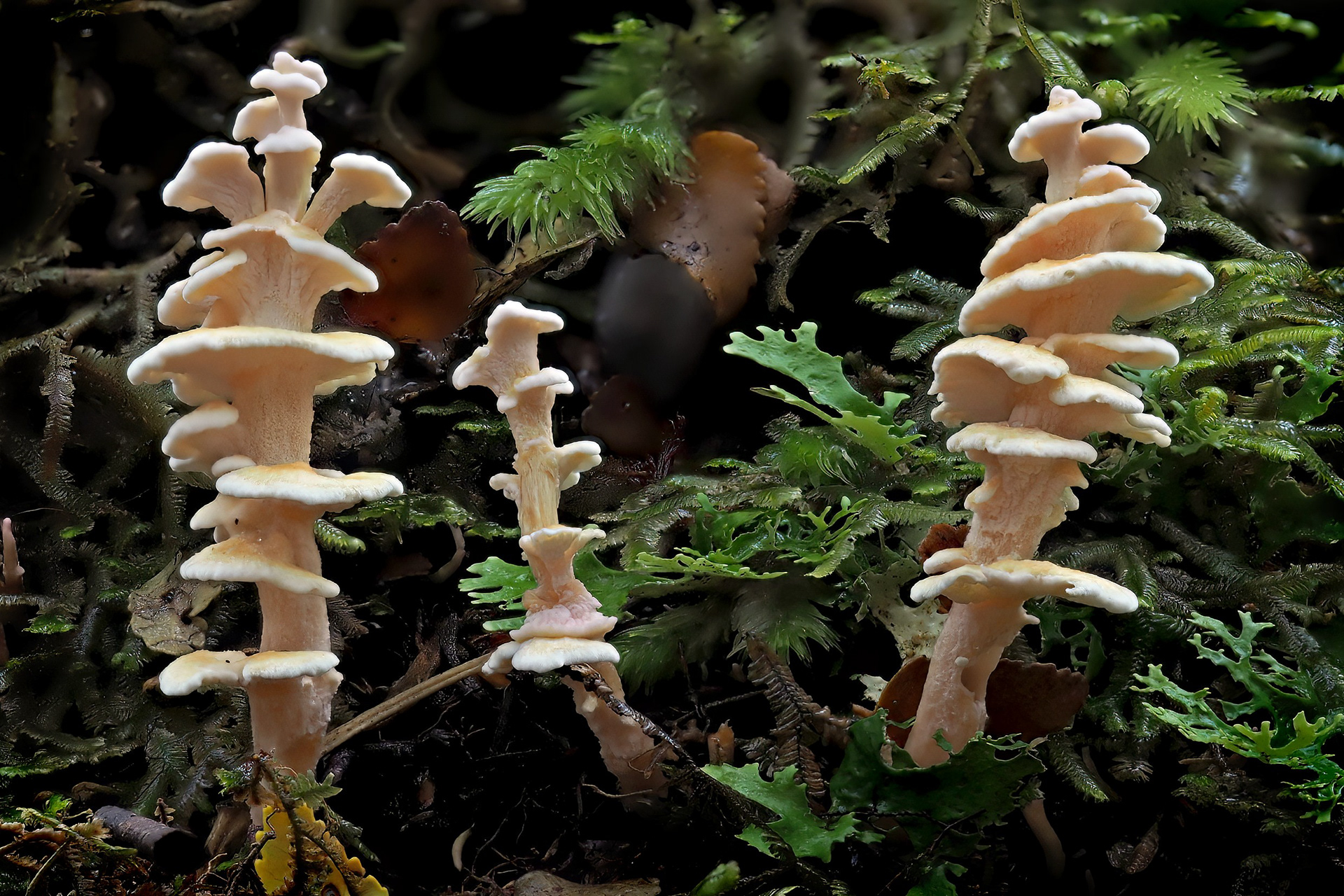
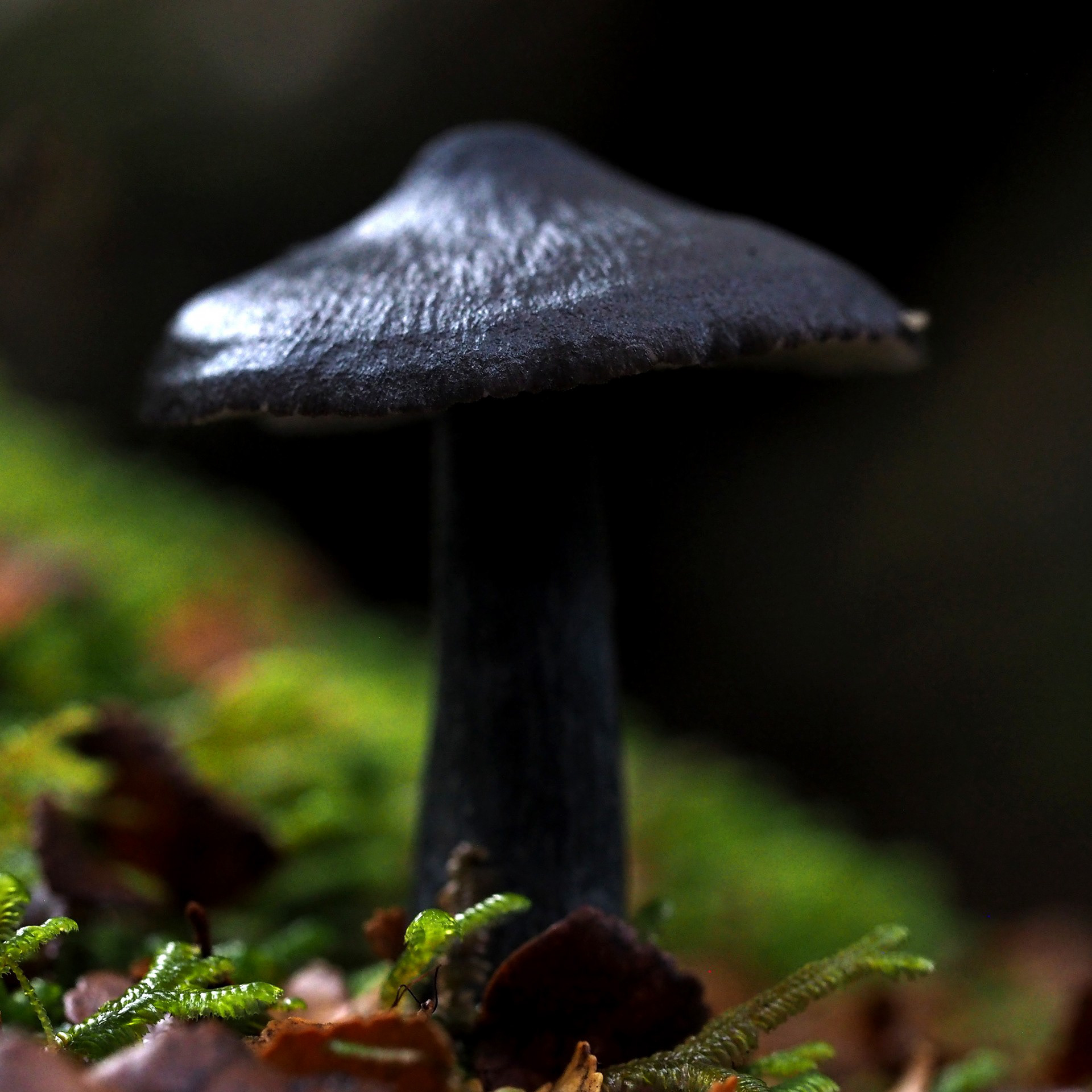
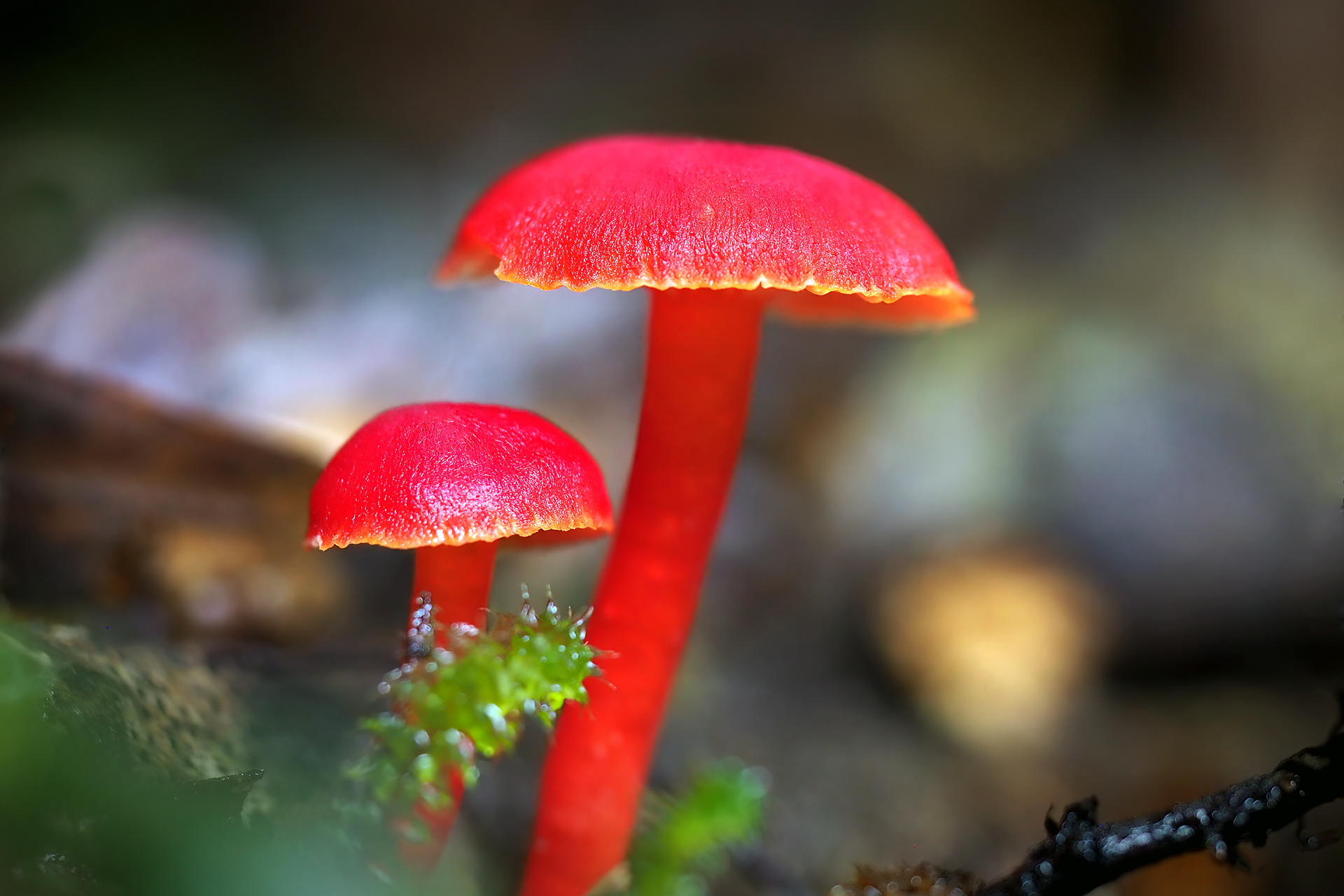
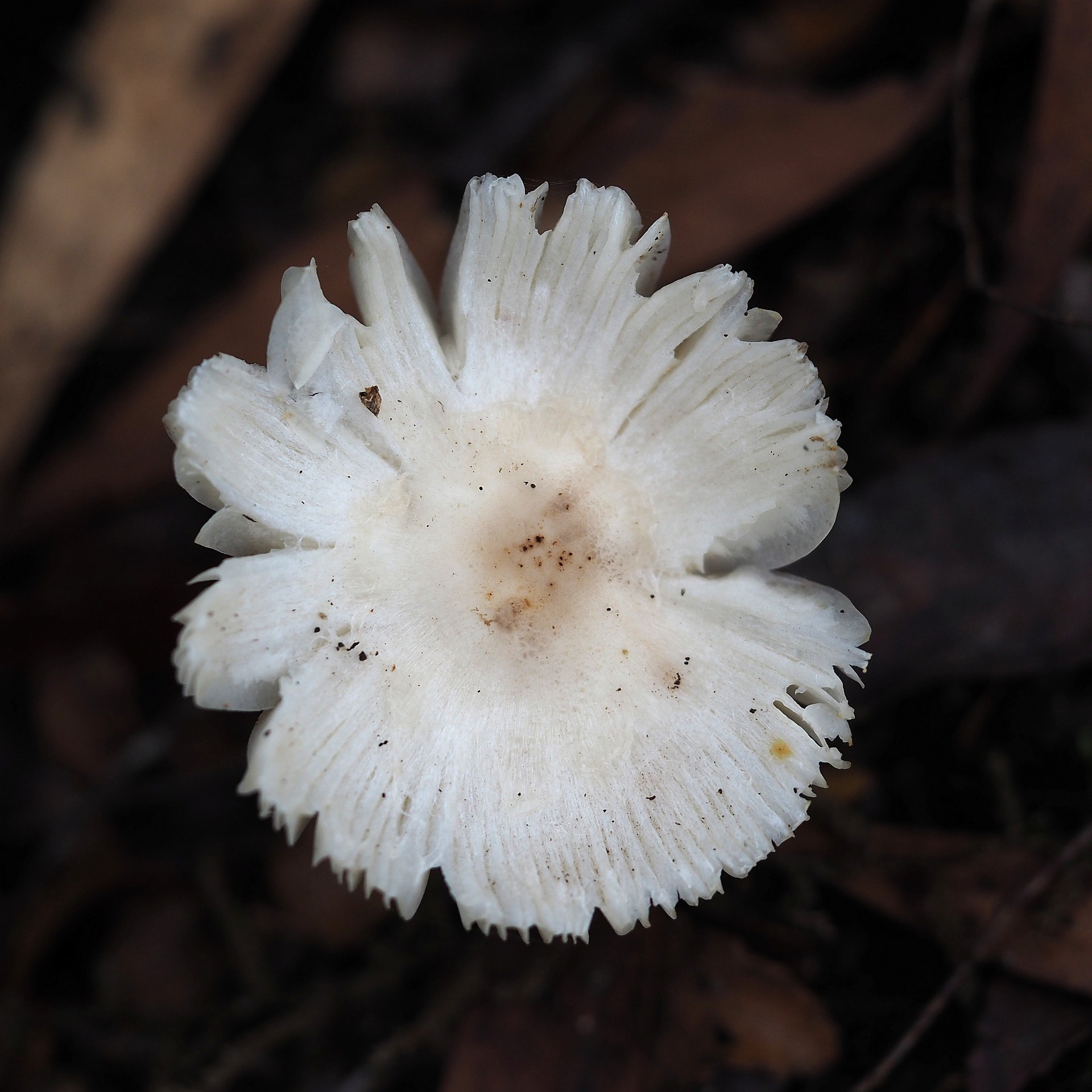
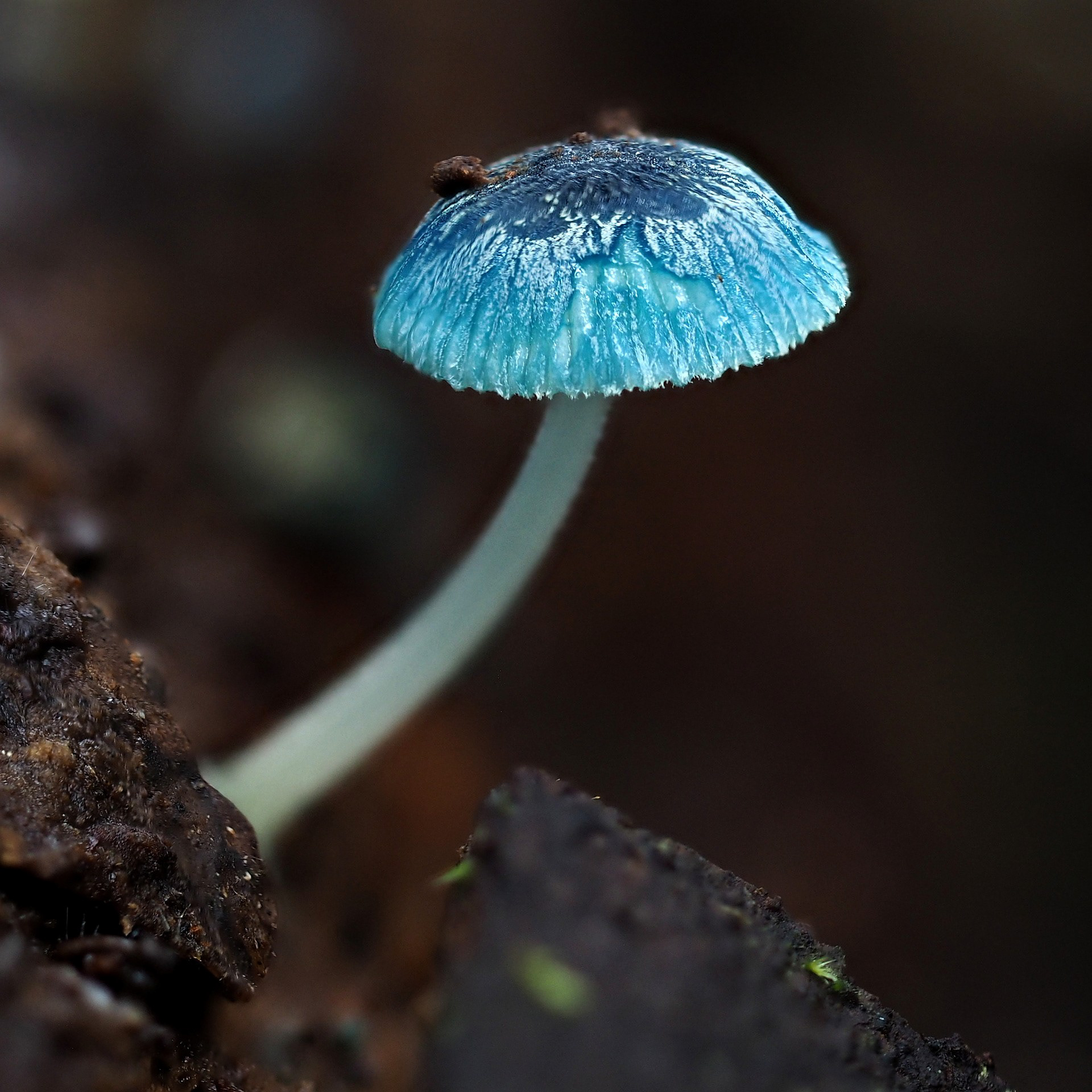
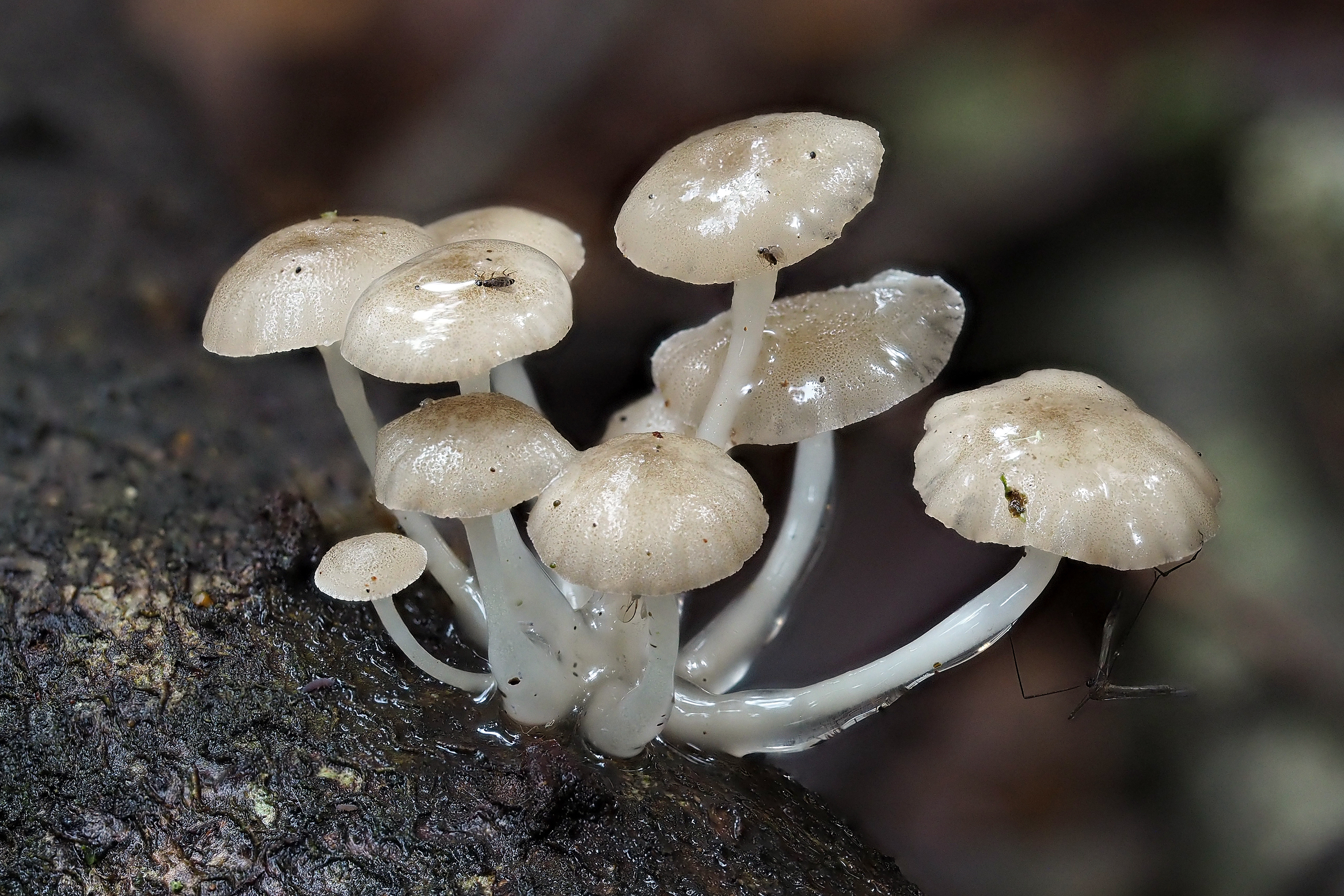
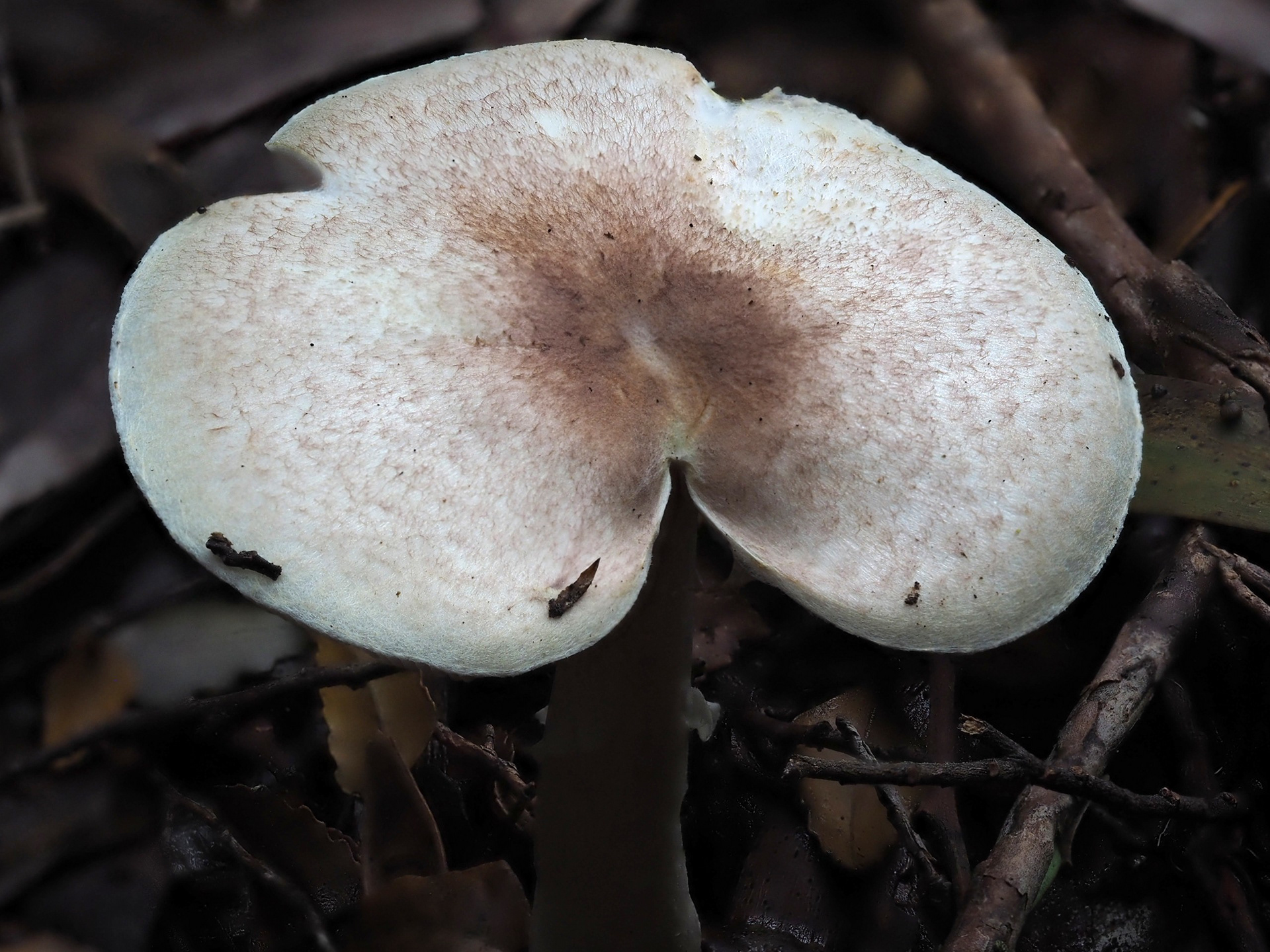
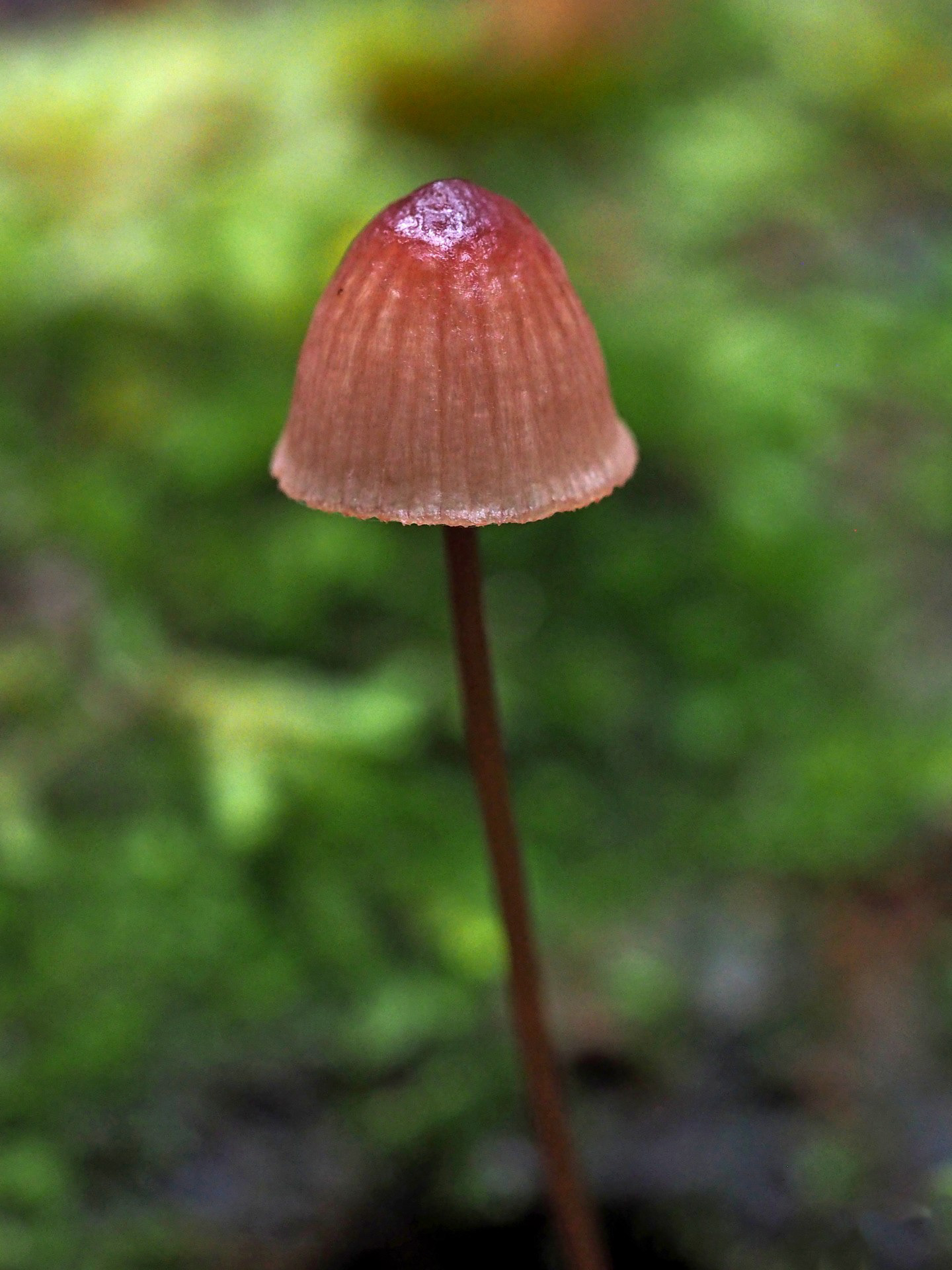
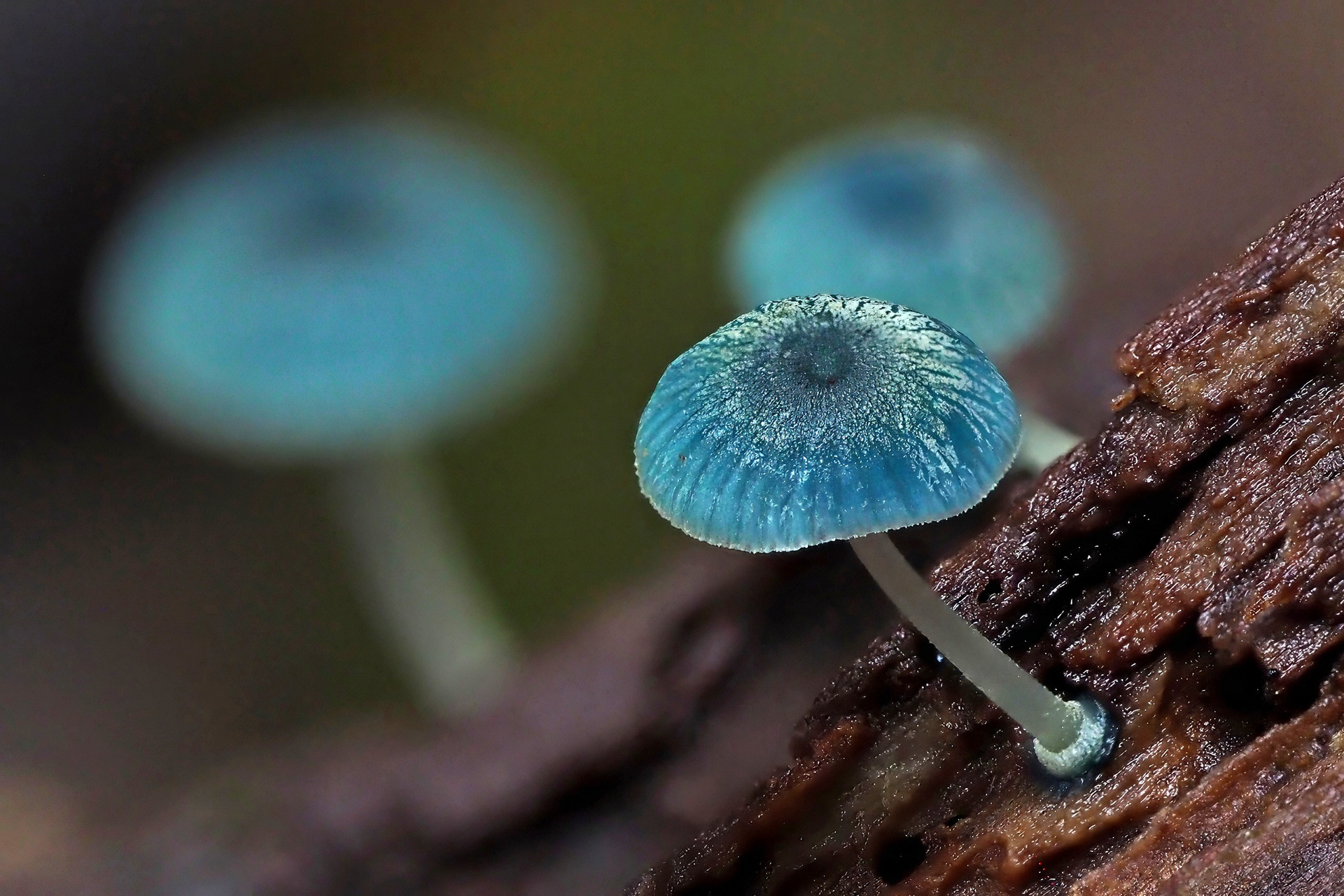
Fungi are fascinating, with a seemingly endless variety of shapes, sizes and colours! They are beautiful and bizarre to behold, some are edible, many are toxic, but what we see is just part of the story ...
There are many classes of fungi, ranging from microscopic to quite extensive networks of thread-like mycelia intimately connected with the soil. What we see, and photograph, are the fruiting bodies, or "mushrooms", of the mycelia. An important class of fungi are mycorrhizae, which form a symbiotic association with plant roots and are essential for plant growth: the plant provides organic matter to the fungus through photosynthesis, and the fungus provides the plant with nutrients from the soil. Mycorrhizal fungi have also been shown to allow adjacent trees to communicate!
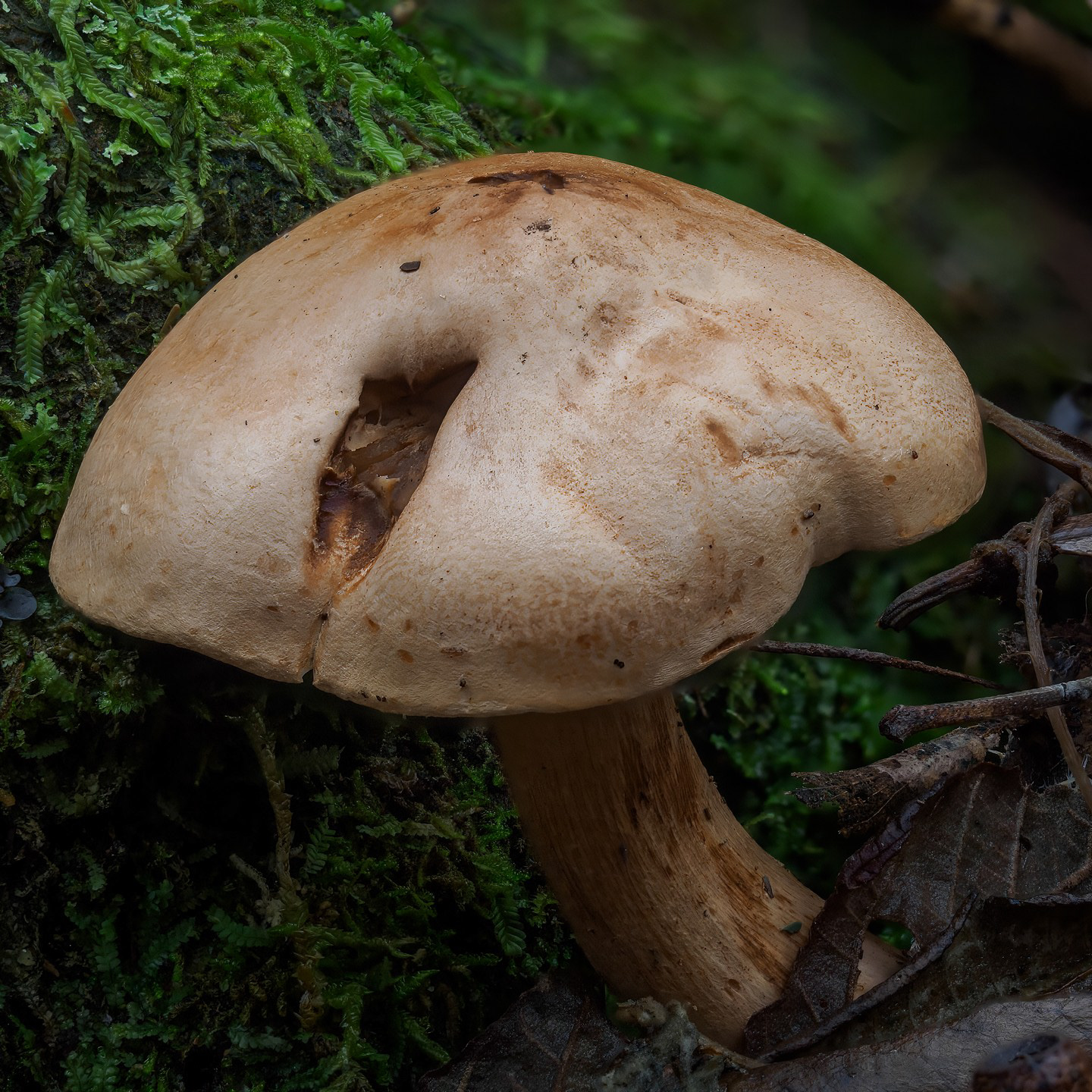
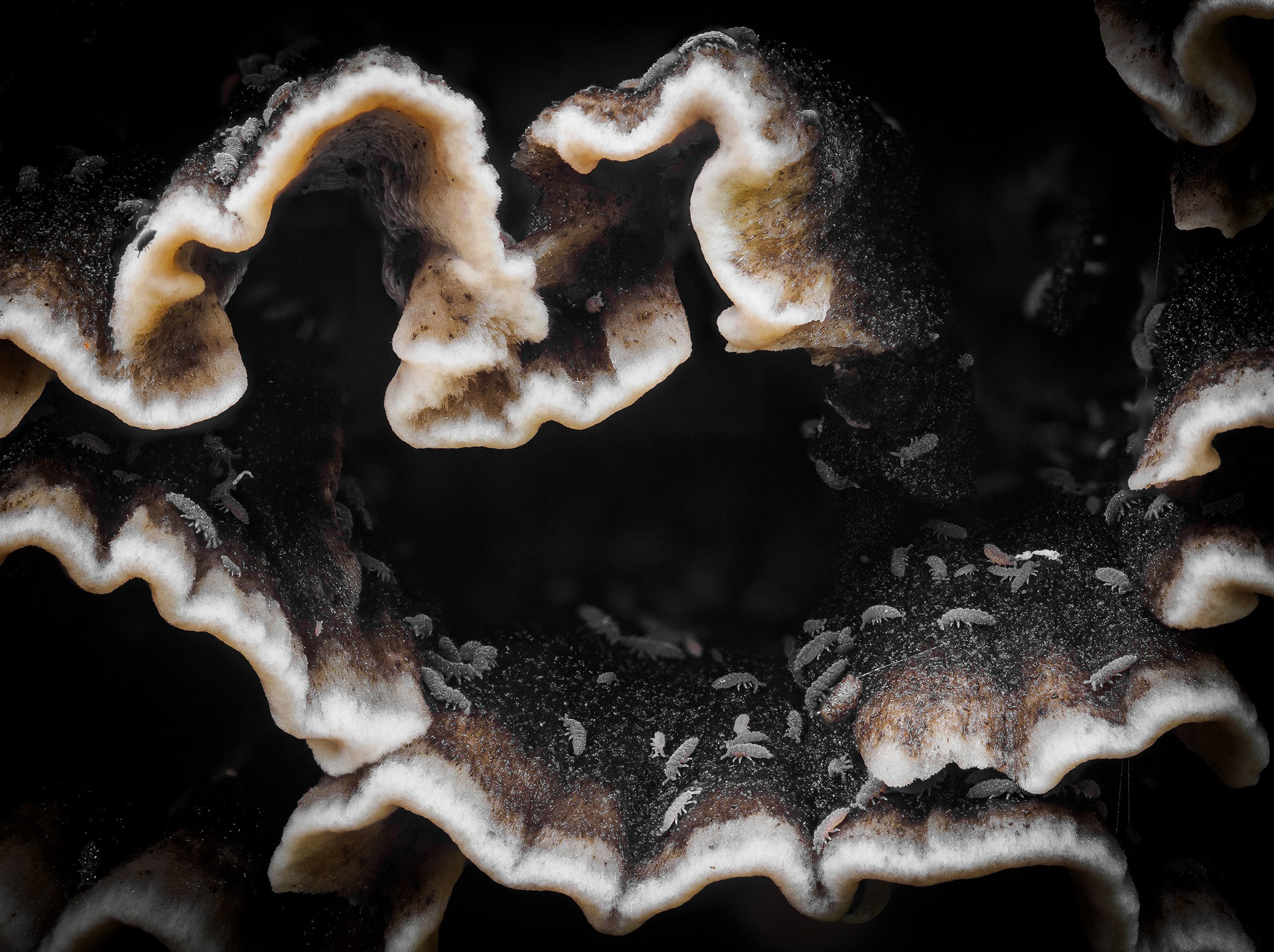
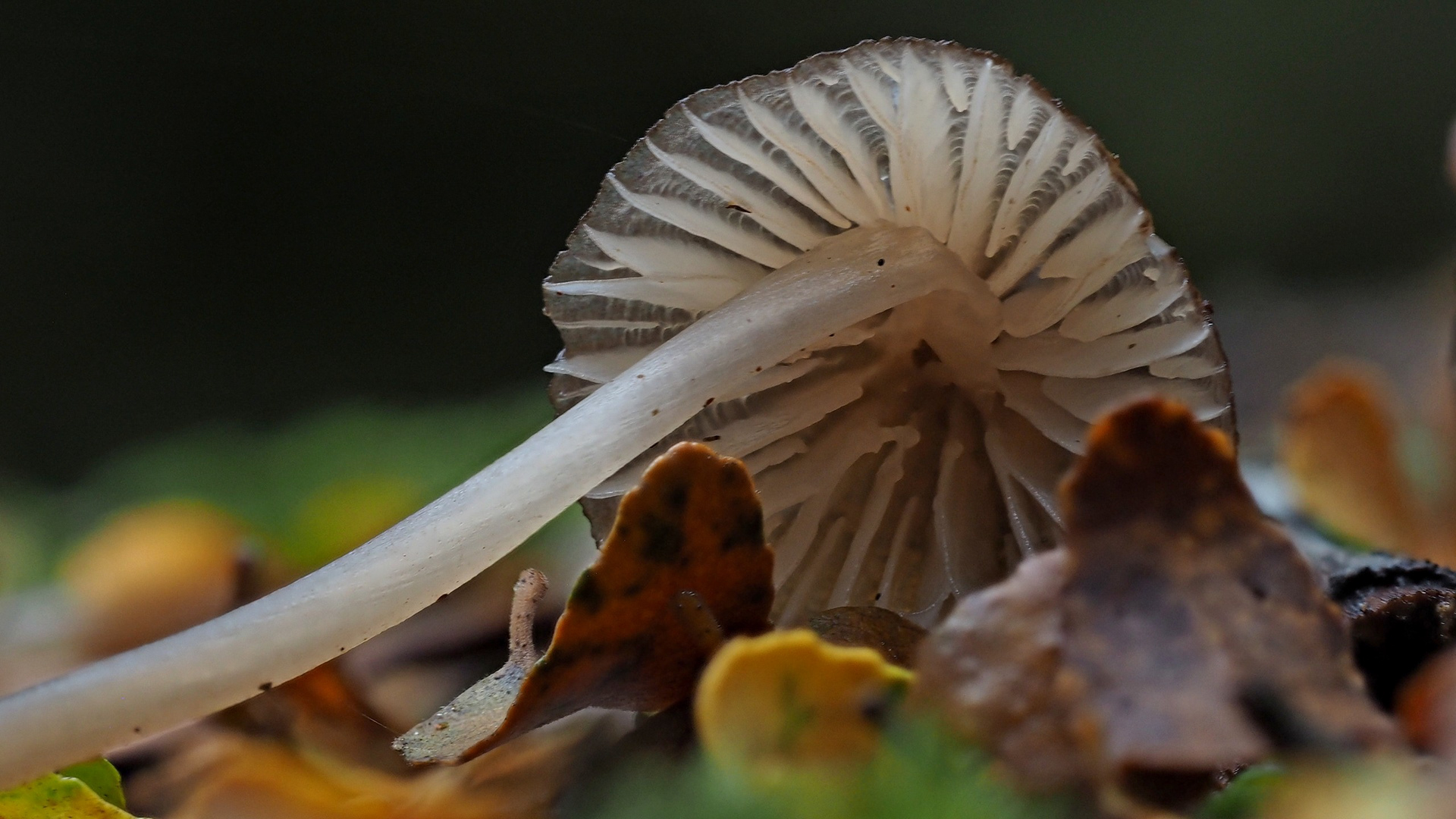
Fungi are grazed upon by animals. I often see some with large bites taken by a native animal, and close examination will usually reveal tiny critters on their stems or caps, or even colonies inhabiting fungal gills (there's one shown below).
I am not a taxonomist, so have no idea what the species of these fungi are, although I have tried identifying some using a wonderful publication called FungiFlip, published by the University of Tasmania! Many fungi have quaint but descriptive common names, and it's fun to make these up.
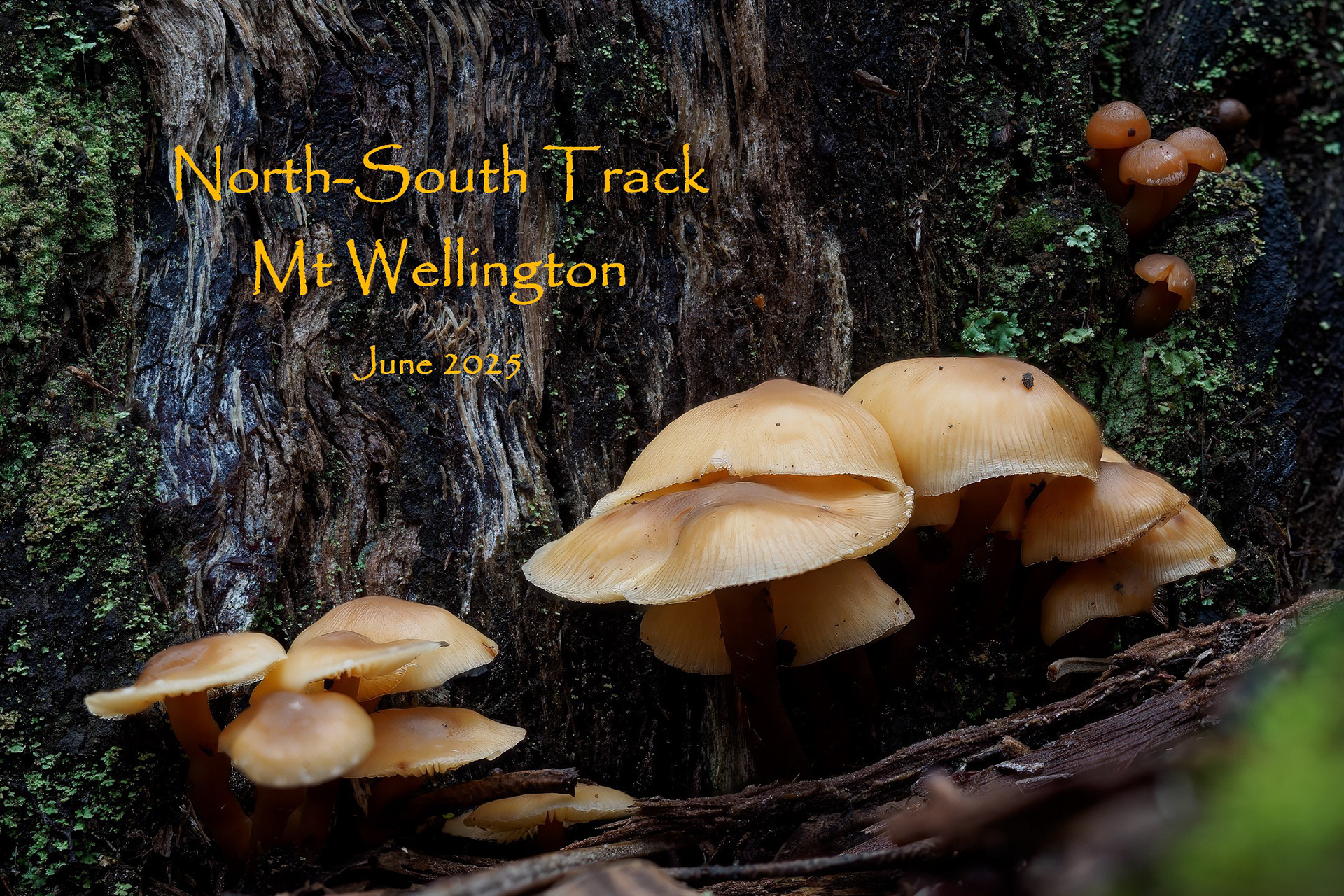
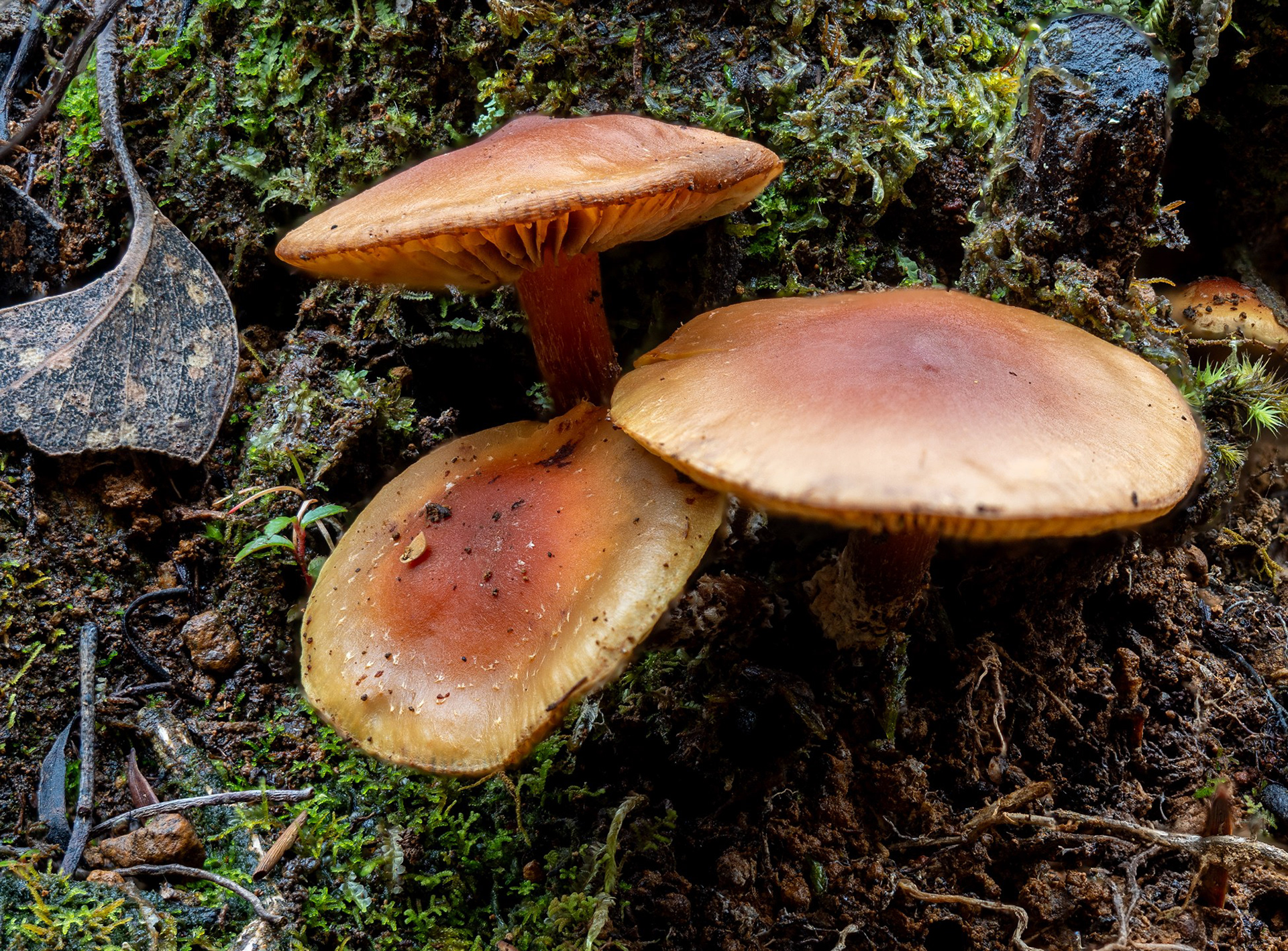
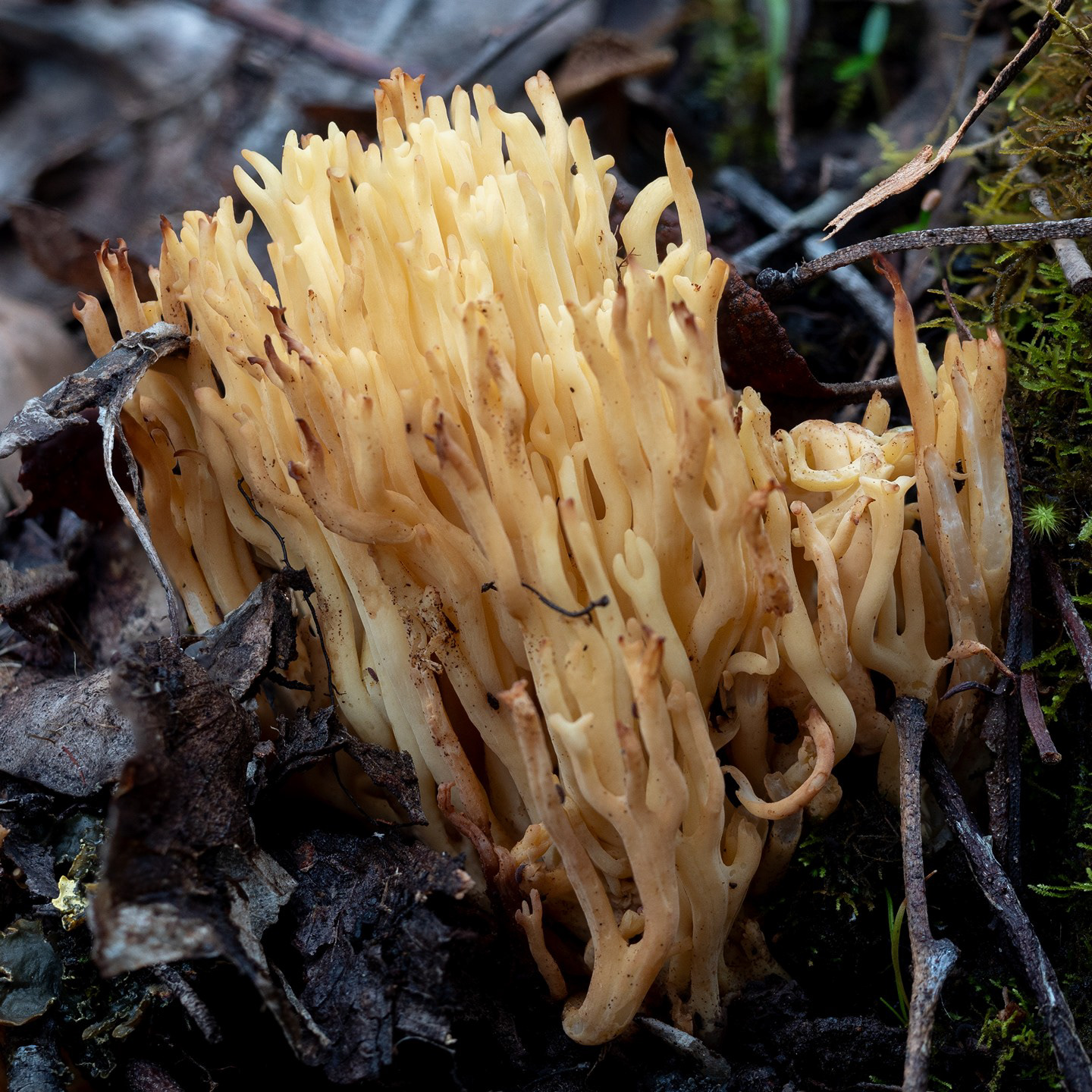
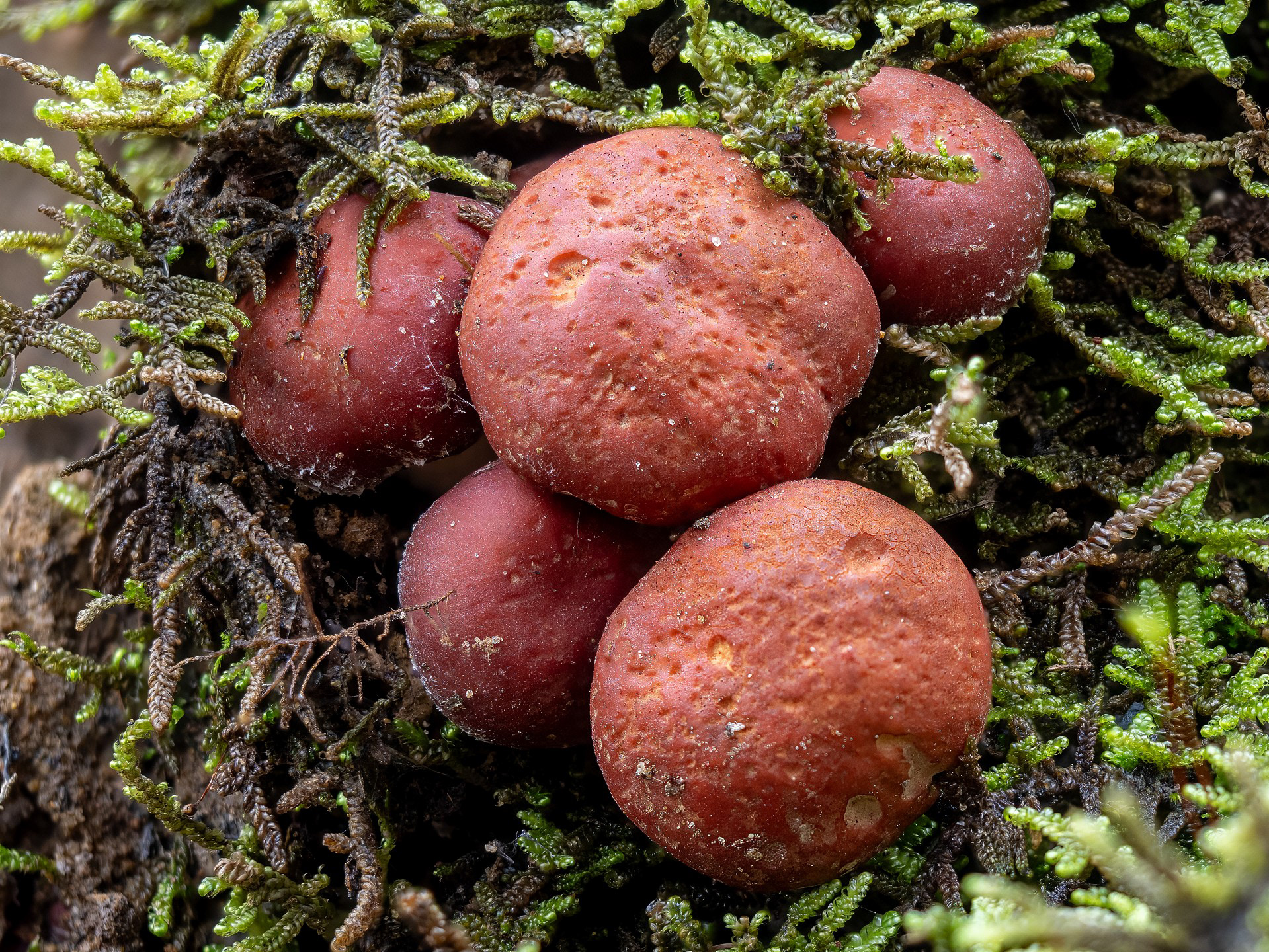
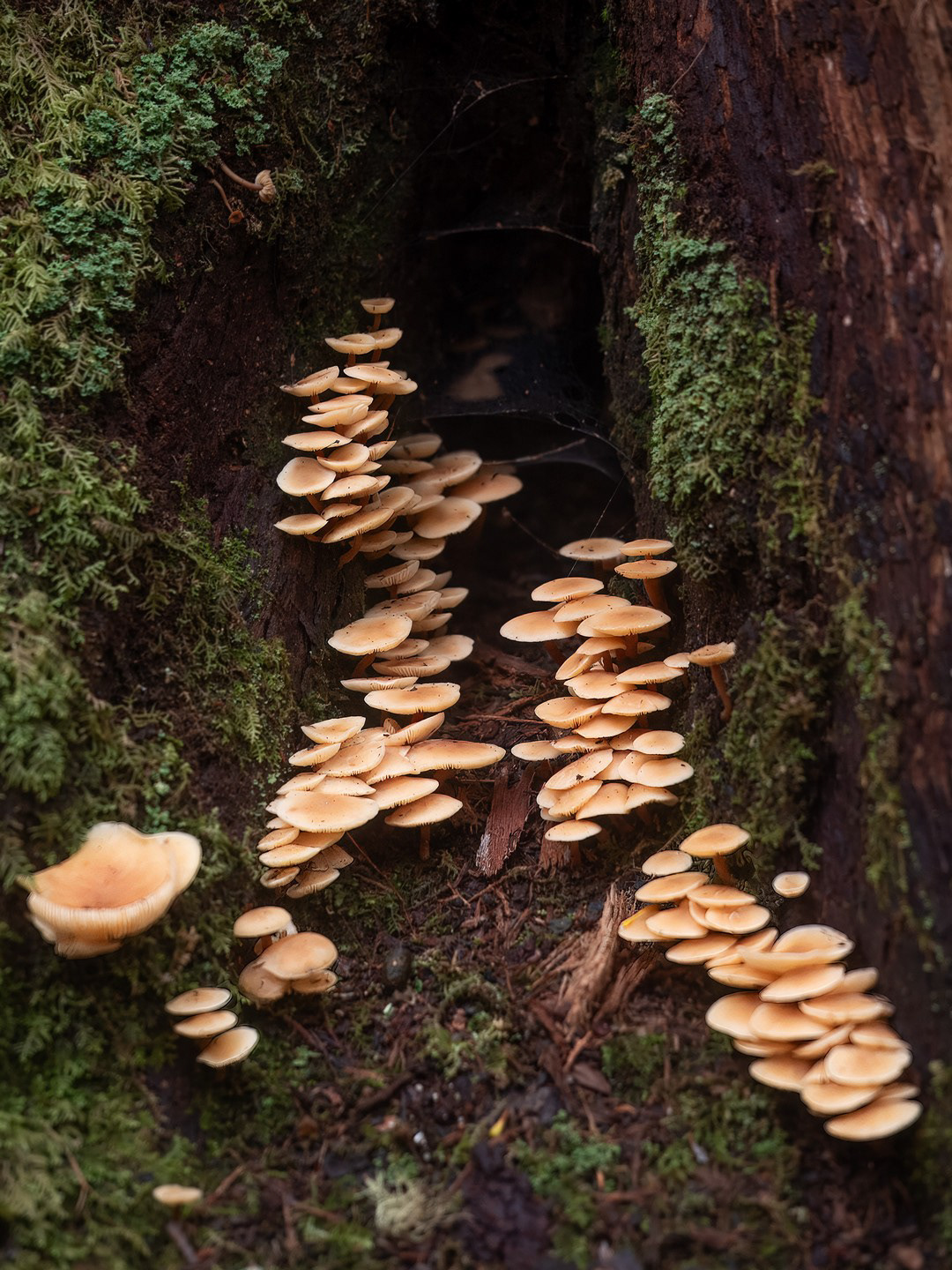
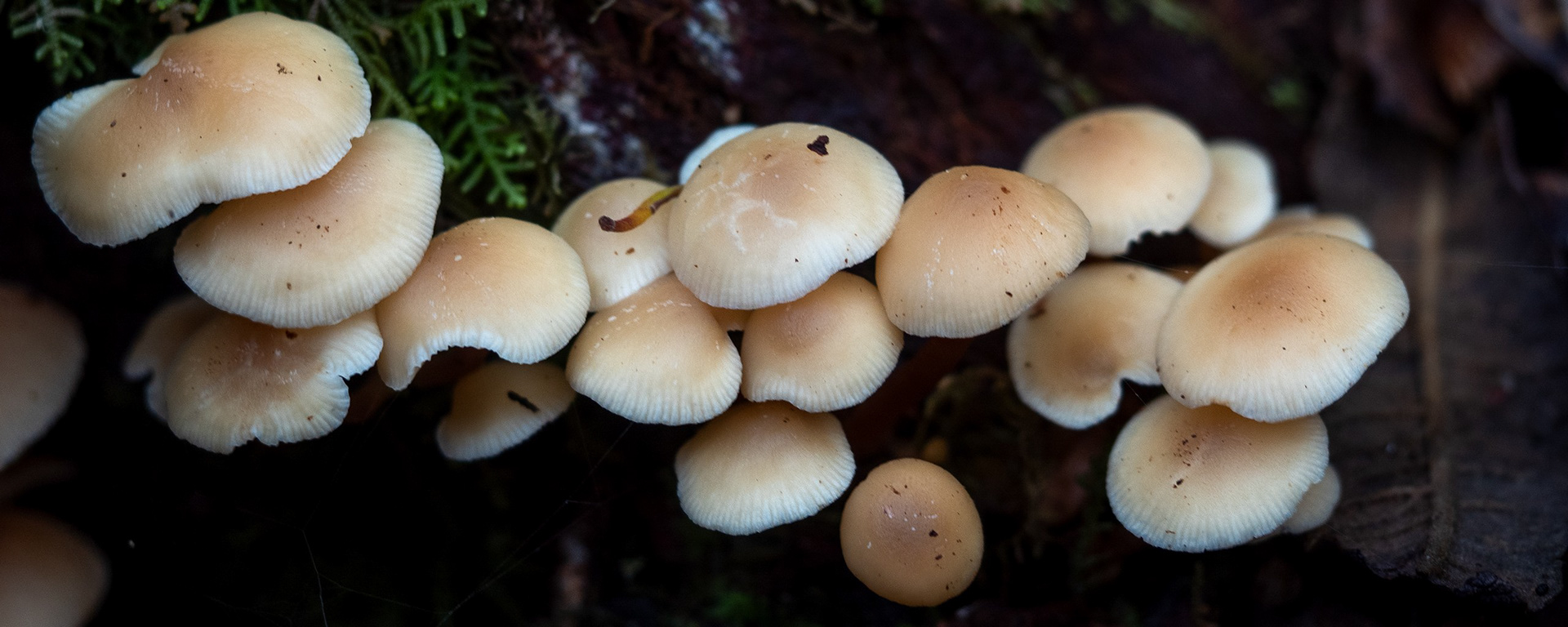
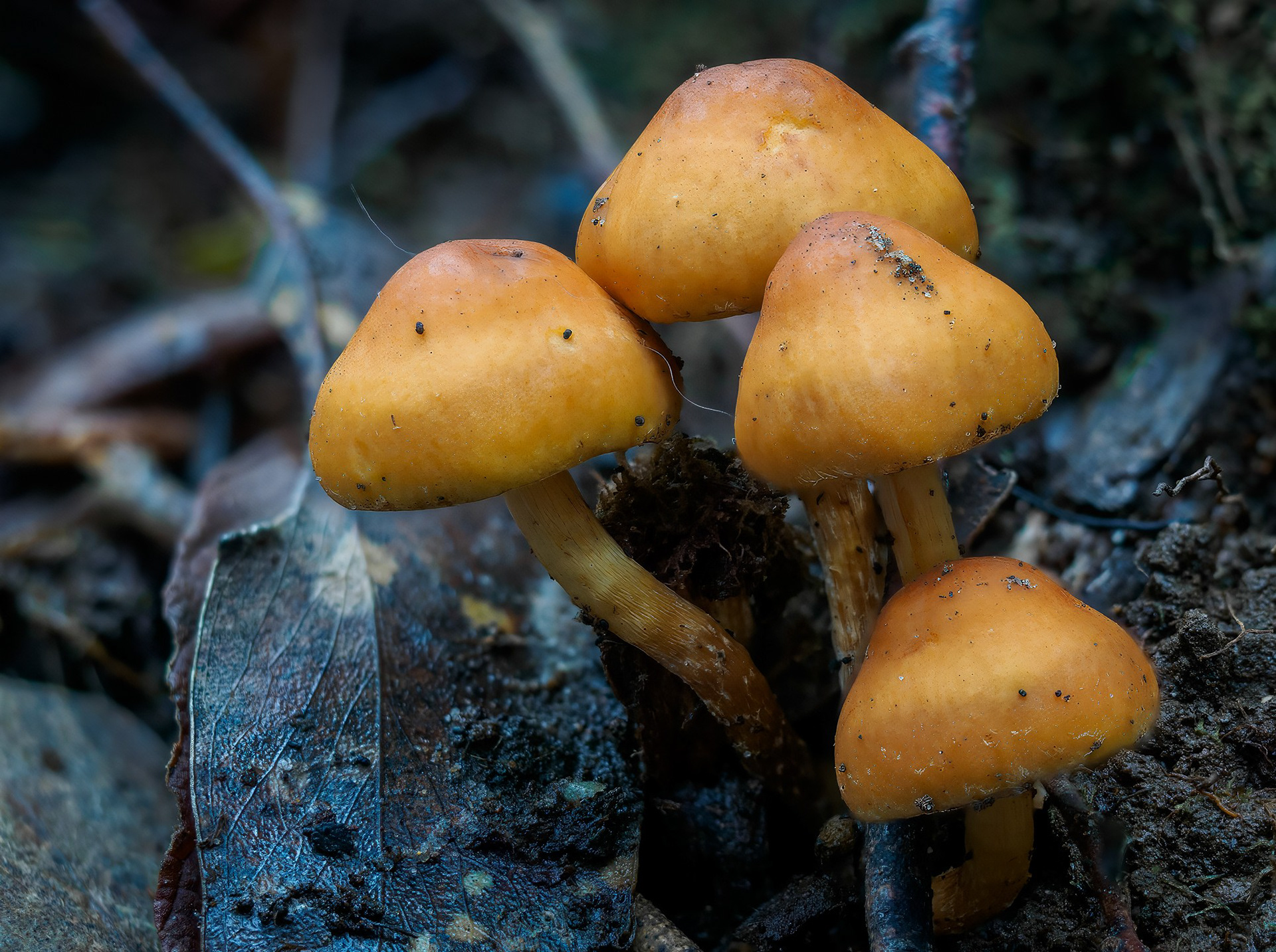
This gallery is a collection of images of fungi I have taken over the years in Tasmania, from a gully below our suburban home, on Mount Wellington, and elsewhere.